
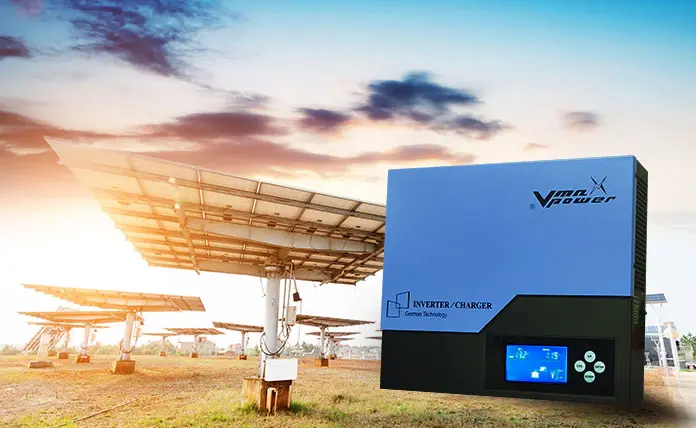
Low Frequency Inverter
Integrated pure copper toroidal transformer with 300% surge absorption. Built for heavy inductive motor loads, mining pumps, and weak-grid environments.
Source From FactoryExplore our core product lines manufactured under ISO 9001 / ISO 14001 certified production lines, rigorously validated for off-grid resilience, hybrid storage, and utility installations.
Integrated pure copper toroidal transformer with 300% surge absorption. Built for heavy inductive motor loads, mining pumps, and weak-grid environments.
Source From Factory
Compact, transformerless DSP architecture delivering peak 98% efficiency. Ideal for residential solar, modular telecoms, and smart home microgrids.
Source From Factory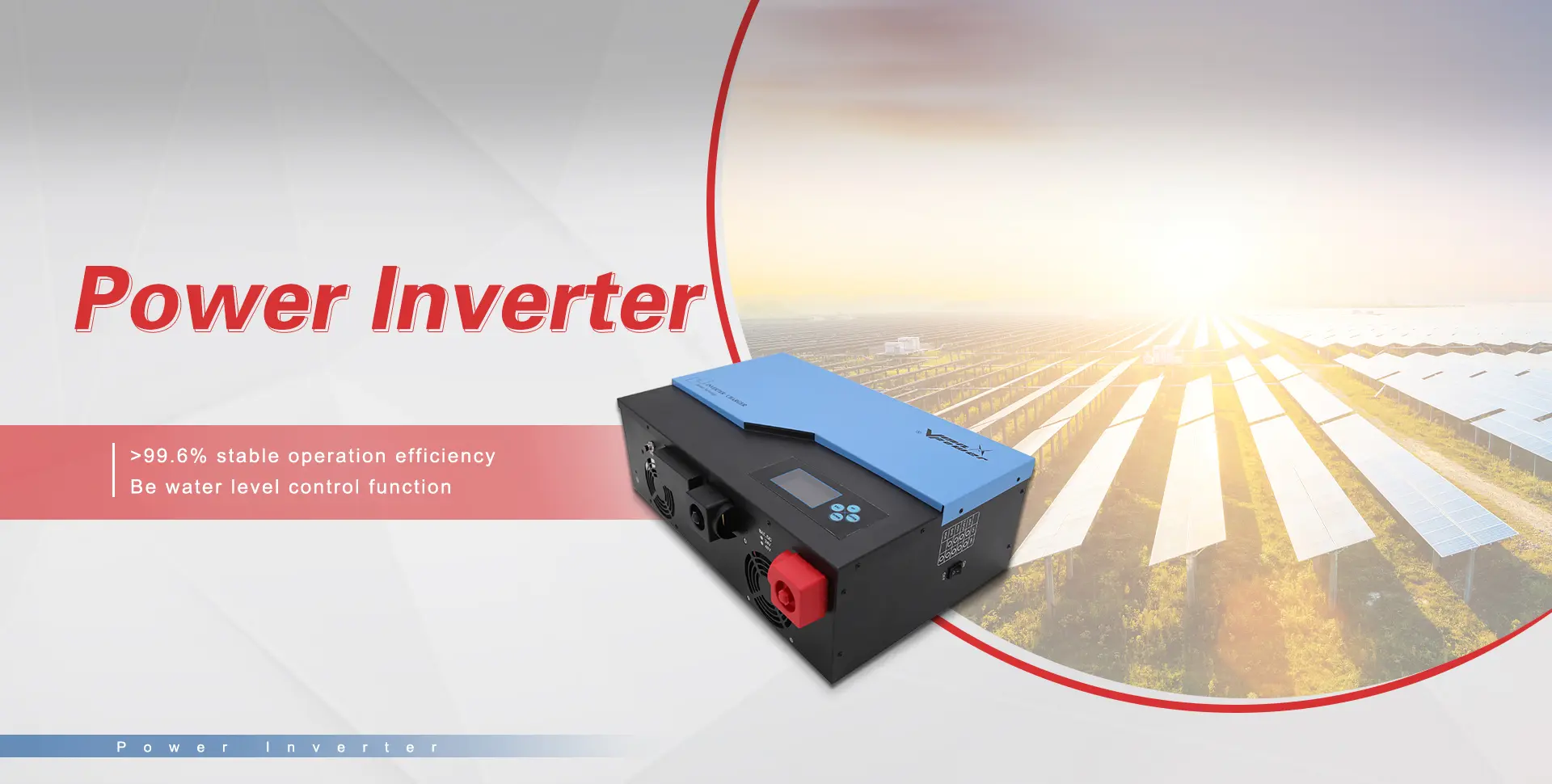
Multi-mode bidirectional hybrid inverter compatible with 48V/HV LiFePO4 battery banks. Seamless 10ms UPS transition and zero-export control.
Source From Factory
Industrial DC to AC pure sine wave inverters featuring 32-bit CPU control, advanced AVR voltage stabilization, and RS485/CAN telemetry interfaces.
Source From Factory
Pre-engineered turnkey on/off-grid photovoltaic systems from 3kW to 500kW. Factory-tested component balance ensuring immediate plug-and-play field deployment.
Source From Factory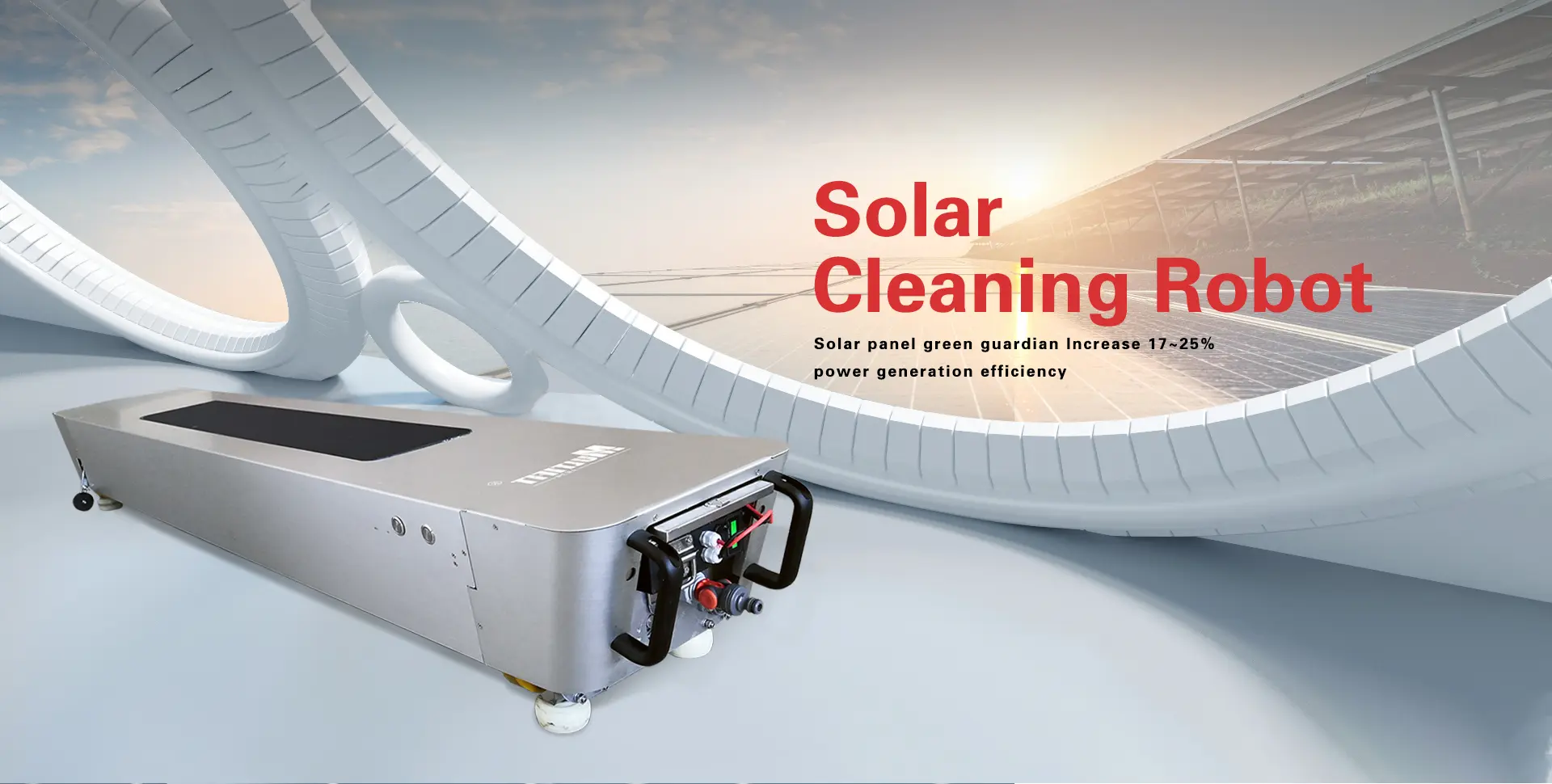
Intelligent robotic crawler designed for MW-scale utility solar farms and commercial rooftops. Waterless dry-sweep operation restoring up to 25% soiled yield.
Source From Factory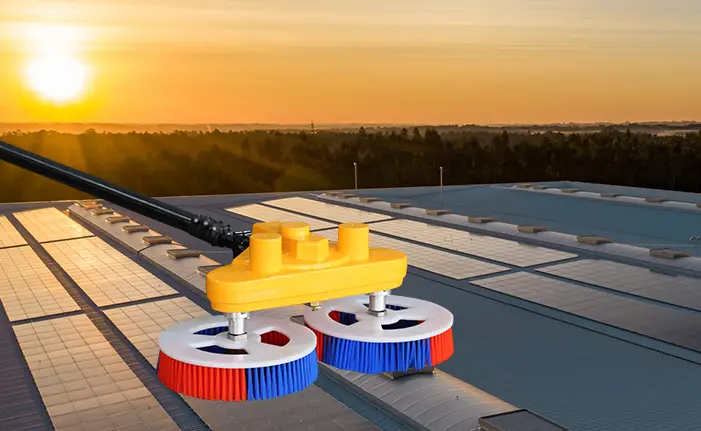
Double-headed high-torque motorized cleaning brush with telescopic alloy extension poles. Engineered for rapid rooftop O&M and solar array maintenance.
Source From Factory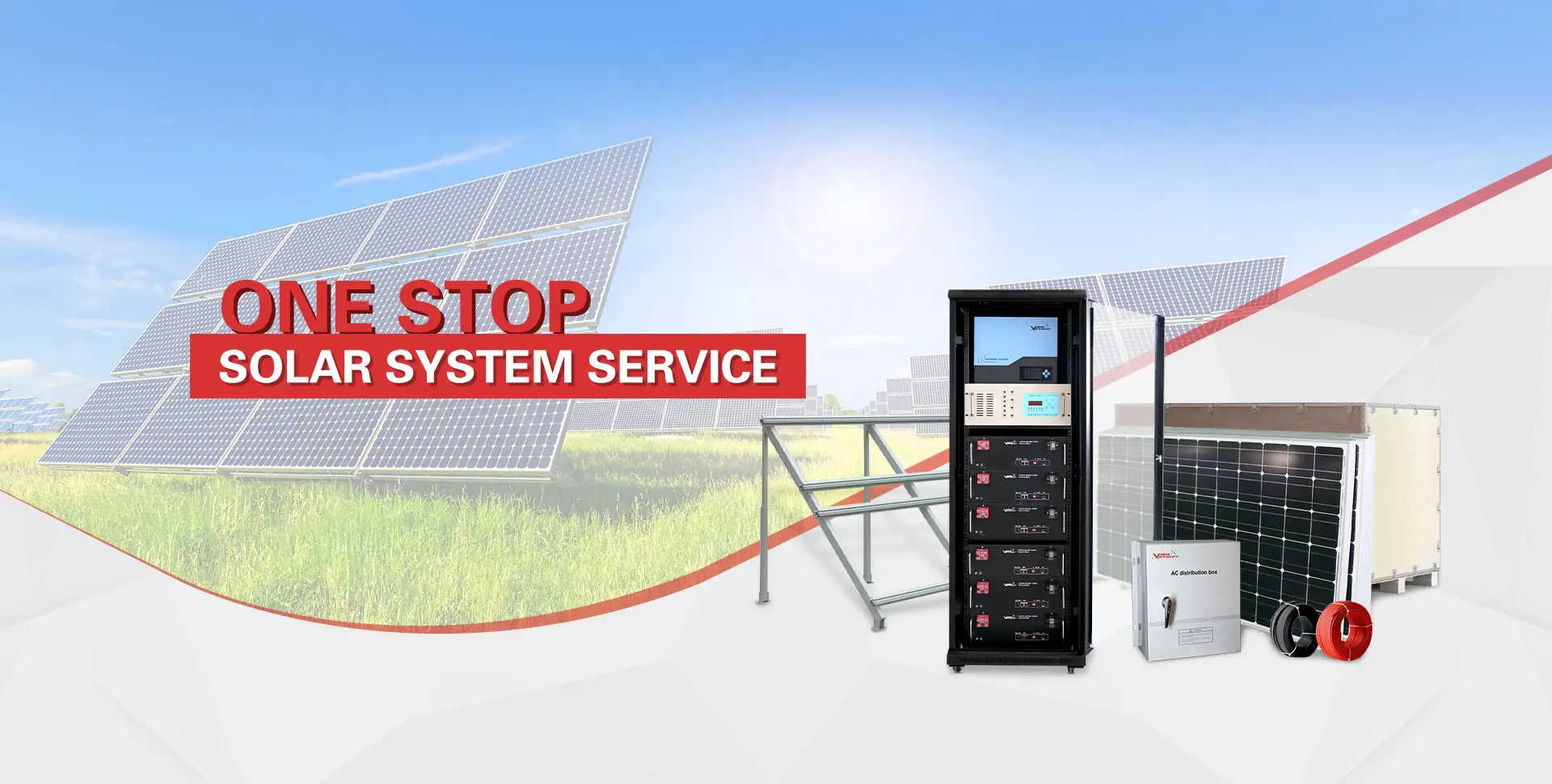
Industrial standalone power units integrating solar MPPT tracking, deep-cycle battery banks, and heavy-duty inverters for non-electrified regional applications.
Source From FactoryAnalyzing the migration from traditional silicon IGBTs to wide-bandgap semiconductors, decentralized MPPT topologies, and grid-forming inverter controls.
The power inverter industry is undergoing an unprecedented architectural shift. As global decarbonization mandates accelerate, power electronics factories operate no longer as simple assembly houses, but as sophisticated innovation epicenters bridging high-voltage electrochemistry, digital signal processing (DSP), and advanced semiconductor physics. In modern microgrid and commercial solar installations, the power inverter serves as the cognitive central nervous system of the entire energy array.
Historically, standard commercial inverters relied on traditional silicon (Si) insulated-gate bipolar transistors (IGBTs) constrained by switching frequencies below 20 kHz. These lower operational frequencies mandated bulky inductive components, elevated cooling dissipation overhead, and resulted in thermal derating curves that constrained system capacity in ambient environments over 40°C. Today, leading power inverter factories are migrating towards Wide-Bandgap (WBG) semiconductors—primarily Silicon Carbide (SiC) and Gallium Nitride (GaN). SiC MOSFETs allow switching frequencies exceeding 100 kHz with an 80% reduction in switching losses, unlocking power conversion efficiencies beyond 98.8% while shrinking physical magnetics by nearly 40%.
Characterized by massive magnetic saturation tolerance and heavy electrolytic decoupling, low-frequency (LF) inverters utilize custom-wound annular toroidal transformers. They deliver unparalleled galvanic isolation and continuous 3x surge handling for heavy inductive motors.
Utilizing high-speed HERIC or NPC (Neutral Point Clamped) multi-level topologies, high-frequency (HF) architectures replace bulky transformers with compact ferrite cores and active DSP PWM switching, dramatically boosting power density and lowering transport costs.
Contemporary hybrid factories engineer power conversion units capable of acting not merely as grid-following current sources, but as grid-forming voltage references. Using synthetic inertia algorithms, these systems stabilize microgrids without rotating synchronous generators.
A rigorous engineering framework for procurement directors, EPC contractors, and international distributors auditing factory credentials and electrical reliability.
Procuring industrial power conversion equipment involves far more than comparing basic unit quotes ($/W). Enterprise balance sheets depend heavily on Levelized Cost of Electricity (LCOE), Mean Time Between Failures (MTBF), and factory warranties. A low initial capital expenditure (CAPEX) can quickly trigger catastrophic operational expenditures (OPEX) if an inverter factory cuts corners on DC link capacitors, thermal design, or PCB conformal coating.
To ensure long-term grid compliance and return on investment, engineering procurement officers must benchmark factories against comprehensive hardware criteria: Total Harmonic Distortion (THD), Maximum Power Point Tracking (MPPT) dynamic tracking efficiency, galvanic isolation integrity, and anti-islanding switch-off mechanisms.
| Evaluation Parameter | Commercial Grade Standard | VMAX POWER / Multifit Factory Spec | Impact on LCOE & Reliability |
|---|---|---|---|
| Harmonic Distortion (THDi) | < 5.0% at rated power | < 2.5% Pure Sine Wave | Prevents overheating in distribution transformers and sensitive inductive electronics. |
| MPPT Static / Dynamic Efficiency | 99.0% Static / 98.0% Dynamic | 99.9% Dynamic Accuracy (Dual MPPT) | Maximizes cumulative kilowatt-hour harvest during cloudy or fluctuating irradiance periods. |
| Inductive Surge Overload Capacity | 120% – 150% for 3 seconds | 300% for 15 seconds (Toroidal LF line) | Prevents inverter trips during the startup of commercial air compressors, chillers, and bore pumps. |
| Thermal Derating Threshold | Starts derating at 40°C | Full output up to 45°C / Operational to 60°C | Maintains nameplate capacity in equatorial regions, Gobi deserts, and sealed enclosure cabinets. |
| PCB Environmental Protection | Single-layer standard lacquer | Automated Triple Conformal Coating | Guarantees resistance to high-humidity coastal salt spray, industrial sulfur, and desert sand. |
| Communication Telemetry | Basic RS232 / Proprietary App | RS485, CAN, Wi-Fi, 4G, Modbus-RTU | Ensures open-protocol integration into SCADA systems, remote cloud portals, and smart meters. |
How Beijing Multifit Electrical Technology deploys vertically integrated smart factories to guarantee cost leadership, component traceability, and rapid scalable delivery.
The global energy transition relies heavily on the industrial efficiency of China's advanced manufacturing clusters. At Beijing Multifit Electrical Technology Co., Ltd. (VMAX POWER), founded in 2009 in the Beijing Economic & Technological Development Zone, Industry 4.0 principles are embedded throughout every stage of the inverter manufacturing lifecycle.
Unlike assemblers who outsource critical processes to disparate third parties, our vertically integrated factory floor incorporates automated Surface Mount Technology (SMT) lines, computerized magnetic core winding stations, automated optical inspection (AOI), and robotic in-line testing jigs. This tight vertical integration provides extraordinary supply chain resilience, insulating international distributors and OEM/ODM clients from raw material price volatility, long lead times, and sub-tier quality anomalies.
Micro-component pick-and-place lines populate multi-layer FR4 circuit boards with sub-micron precision. High-speed automated optical inspection (AOI) identifies micro-bridging, component misalignment, and cold solder joints before boards advance to sub-assembly.
Every inverter manufactured in our Beijing facility undergoes a mandatory 4- to 12-hour automated burn-in screening inside thermal chambers maintained at 50°C. Units are continuously cycled between full inductive load and zero load to eliminate early component infant mortality.
Our Manufacturing Execution System (MES) maps every finished inverter serial number directly to the original wafer batch of its power switches, capacitor lots, and copper wire bobbins. Importers receive full traceability data for warranty claims and international bidding dossiers.
Deploying specialized inverter topologies to address utility peak demand charges, weak electrical grids, remote island networks, and demanding off-grid environments.
Power inverters are deployed across diverse electrical and climatic environments worldwide. A topology optimized for a suburban residential rooftop in Western Europe will fail quickly if placed on a coastal desalination facility in Southeast Asia or an agricultural cold-storage warehouse in Central Africa.
Factories must maintain diversified product portfolios—spanning transformerless high-frequency, heavy toroidal low-frequency, and multi-source hybrid storage architectures. When coupled with automated photovoltaic cleaning technologies, these systems solve the dual challenge of electrical conversion stability and dust-related soiling losses.
For industrial factories and commercial complexes facing punitive maximum demand tariffs, hybrid storage inverters discharge stored solar energy during peak grid tariff windows, dropping facility capacity charges by up to 35%.
Explore On-Grid SystemsIn arid Gobi deserts, coastal mines, and agricultural installations, dust accumulation and utility grid sags are constant risks. Pairing low-frequency inverters with robotic cleaning equipment maintains peak generation while protecting industrial machinery.
View Cleaning RobotsProviding independent prime power for remote villages, healthcare clinics, and cellular base stations. Integrated solar charge controllers and pure sine wave inverters replace dirty diesel generator runtime with clean, silent solar electricity.
Off-Grid SolutionsDirect answers from our senior R&D engineering team addressing common queries encountered by distributors, EPC contractors, and system integrators.
VMAX POWER is the primary international manufacturing brand of Beijing Multifit Electrical Technology Co., Ltd. Founded in 2009 and publicly listed on the capital equity exchange (equity code 280768), our company operates complete R&D, manufacturing, assembly, and testing facilities in the Beijing Economic & Technological Development Zone. Sourcing through us means working directly with the engineering factory floor—bypassing trading company markups and enjoying direct access to firmware customization and factory warranties.
Low-Frequency (LF) inverters utilize a heavy, grain-oriented copper toroidal transformer at the output stage, functioning at the base grid frequency (50Hz/60Hz). This design provides absolute galvanic isolation and enables the inverter to withstand surge startup currents of up to 300% for inductive loads like heavy industrial motors and compressors. High-Frequency (HF) inverters use electronic MOSFET/IGBT switching at high frequencies (>20kHz) before stepping down through miniature ferrite cores. HF inverters are significantly lighter, smaller, and cost-effective for pure electronic and residential loads, but cannot match the raw surge tolerance and thermal buffer of LF toroidal designs.
Our power inverters, solar charge controllers, and integrated photovoltaic systems comply fully with major international standards. Multifit holds over 20 CE conformity certificates across Low Voltage Directive (LVD) and Electromagnetic Compatibility (EMC), alongside comprehensive TUV Rheinland and IEC (IEC 62109-1, IEC 62109-2, IEC 61000) safety test certifications. Our manufacturing facilities are audited and certified according to ISO 9001 (Quality Management) and ISO 14001 (Environmental Management) standards.
We provide full turnkey OEM/ODM engineering services for regional solar brands, tier-one distributors, and EPC contractors. Our services encompass custom metal enclosure fabrication, specialized color powder coatings, brand silk-screening, custom-printed packaging, tailored LCD/LED display firmware branding, and custom-tuned charge algorithm curves for specialized lithium (LiFePO4, NMC) or lead-carbon battery chemistries. Minimum order quantities (MOQs) for OEM private labeling are structured flexibly to facilitate rapid regional market entry.
Yes. Multifit is a comprehensive clean-tech manufacturer. In addition to power inverters, our manufacturing ecosystem produces Tier-1 high-efficiency monocrystalline solar panels, LiFePO4 energy storage lithium battery packs, MPPT solar controllers, and automated solar panel cleaning robots. Sourcing a matched Bill of Materials (BOM) from a single factory eliminates component communication mismatches, optimizes warranty claims under a single accountable entity, and reduces shipping overhead through container consolidation.
Solar inverters can only convert the DC energy delivered to their terminals. Environmental soiling—including dust, desert sand, agricultural pollen, and bird droppings—can degrade panel generation by 15% to over 35% in arid regions. When panels become soiled, the inverter's MPPT controller operates along sub-optimal, fragmented I-V curves, increasing harmonic distortion and thermal stress. Our patented solar panel cleaning robots and motorized brushes restore solar arrays to peak generation without manual labor risks or water consumption.
VMAX POWER inverters incorporate comprehensive industrial telemetry interfaces as standard. Our control boards support dual RS485 communication ports, CAN bus (for high-speed Battery Management System interfacing), and optional modular plug-in Wi-Fi, Ethernet, and 4G LTE cellular data loggers. The communication stack uses industry-standard Modbus-RTU and SunSpec protocols, enabling smooth integration with third-party PLC architectures, energy management systems (EMS), smart utility meters, and central SCADA dashboards.
A reliable baseline calculation for battery capacity is: Gross Capacity (kWh) = [Daily Energy Demand (kWh) × Days of Desired Autonomy] ÷ [Usable Depth of Discharge (DoD) × Inverter Inversion Efficiency]. For instance, an off-grid installation requiring 15 kWh per day with 2 days of autonomy using a LiFePO4 battery (90% DoD) and an inverter running at 94% efficiency requires: (15 × 2) ÷ (0.90 × 0.94) ≈ 35.46 kWh. Our applications engineering department provides complete custom sizing models tailored to client load profiles and local solar irradiance data.
Review our extended factory portfolio covering balanced system components, solar batteries, high-efficiency panels, and clean-tech maintenance systems.

Utility-synchronized commercial arrays engineered for zero-export control or feed-in tariffs, maximizing self-consumption across commercial real estate.
Source From Factory
High-cycle LiFePO4 battery modules equipped with integrated smart BMS, active cell balancing, and deep discharge thermal protections.
Source From Factory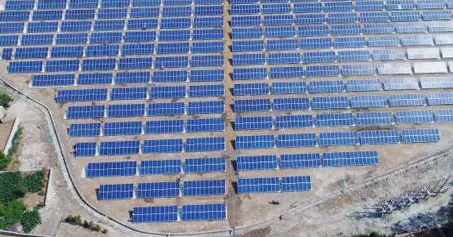
Tier-1 standard monocrystalline Half-Cell and TOPCon photovoltaic modules providing superior low-light performance and anti-PID longevity.
Source From Factory
Intelligent MPPT solar charge controllers with 99.5% tracking efficiency, multi-stage battery charging algorithms, and automated load controls.
Source From Factory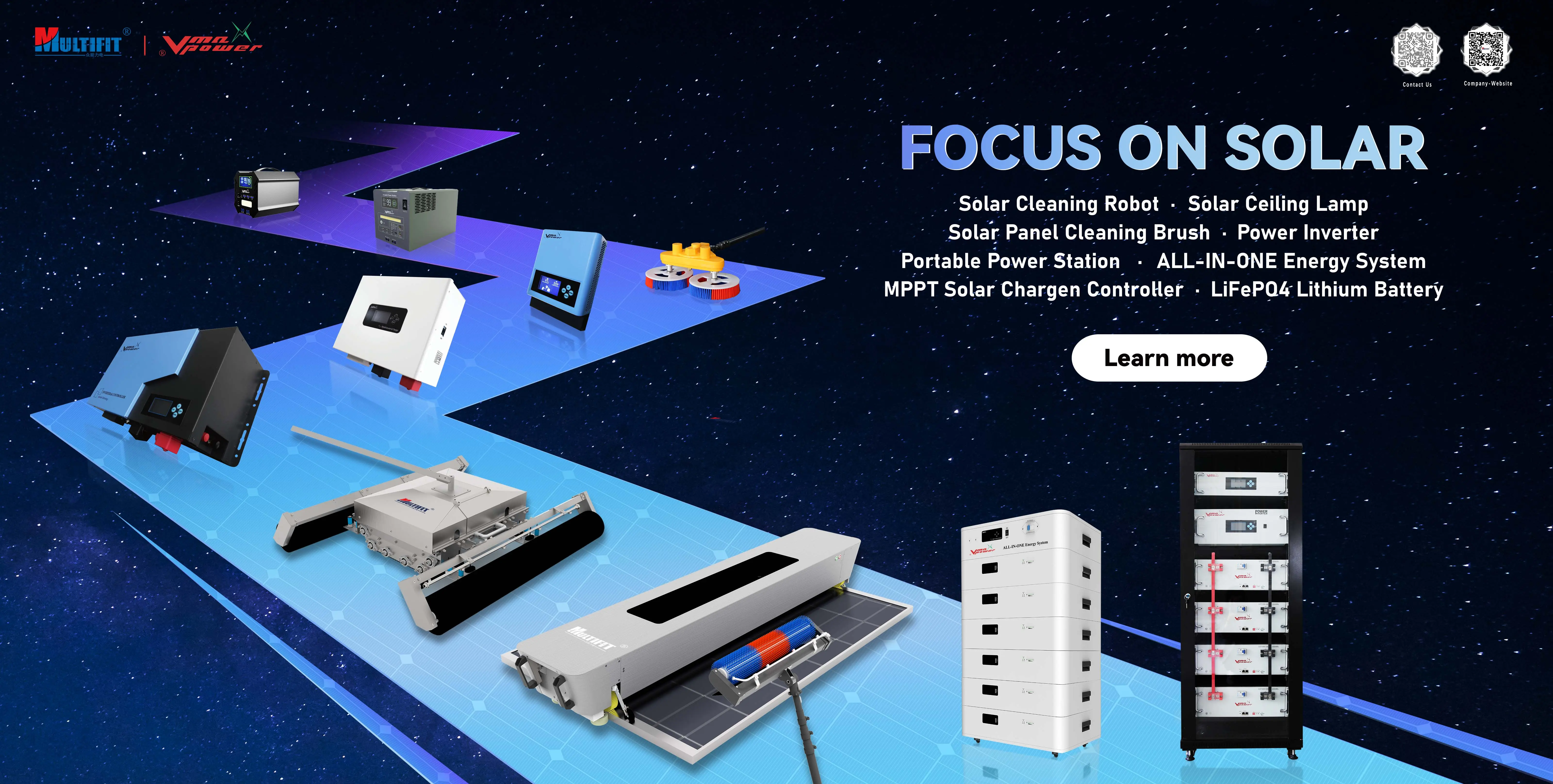
Integrated cleaning and generation packages engineered to prevent severe soiling losses in industrial, agricultural, and desert environments.
Source From Factory
All-in-one solar street luminaires combining high-lumen Philips LED chips, MPPT sensors, and long-life LiFePO4 cells within an aerodynamic alloy housing.
Source From Factory
Heavy-duty outdoor solar floodlighting featuring optical lensing, microwave motion detection, and remote infrared programmable brightness profiles.
Source From Factory
Architectural landscape luminaires crafted with die-cast aluminum, UV-resistant polycarbonate diffusers, and dusk-to-dawn automated photocells.
Source From FactoryPartner directly with Beijing Multifit's engineering team to design custom inverter configurations, request testing datasheets, or audit our Beijing production facilities.