
Industrial Whitepaper & B2B Procurement

Solar Energy Systems Suppliers & Pricelist for the Seattle market

Precision Photovoltaic Arrays, Smart Hybrid Inverters, and Automated Clean-Tech Solutions Engineered for the Pacific Northwest Maritime Climate.

Send Inquiry Now
Core Generation & O&M Hardware

Primary Solar Solutions Engineered for Seattle Grid Integration

Direct-from-factory high-efficiency configurations built to address diffuse low-light conditions, heavy maritime precipitation, and stringent King County electrical safety codes.

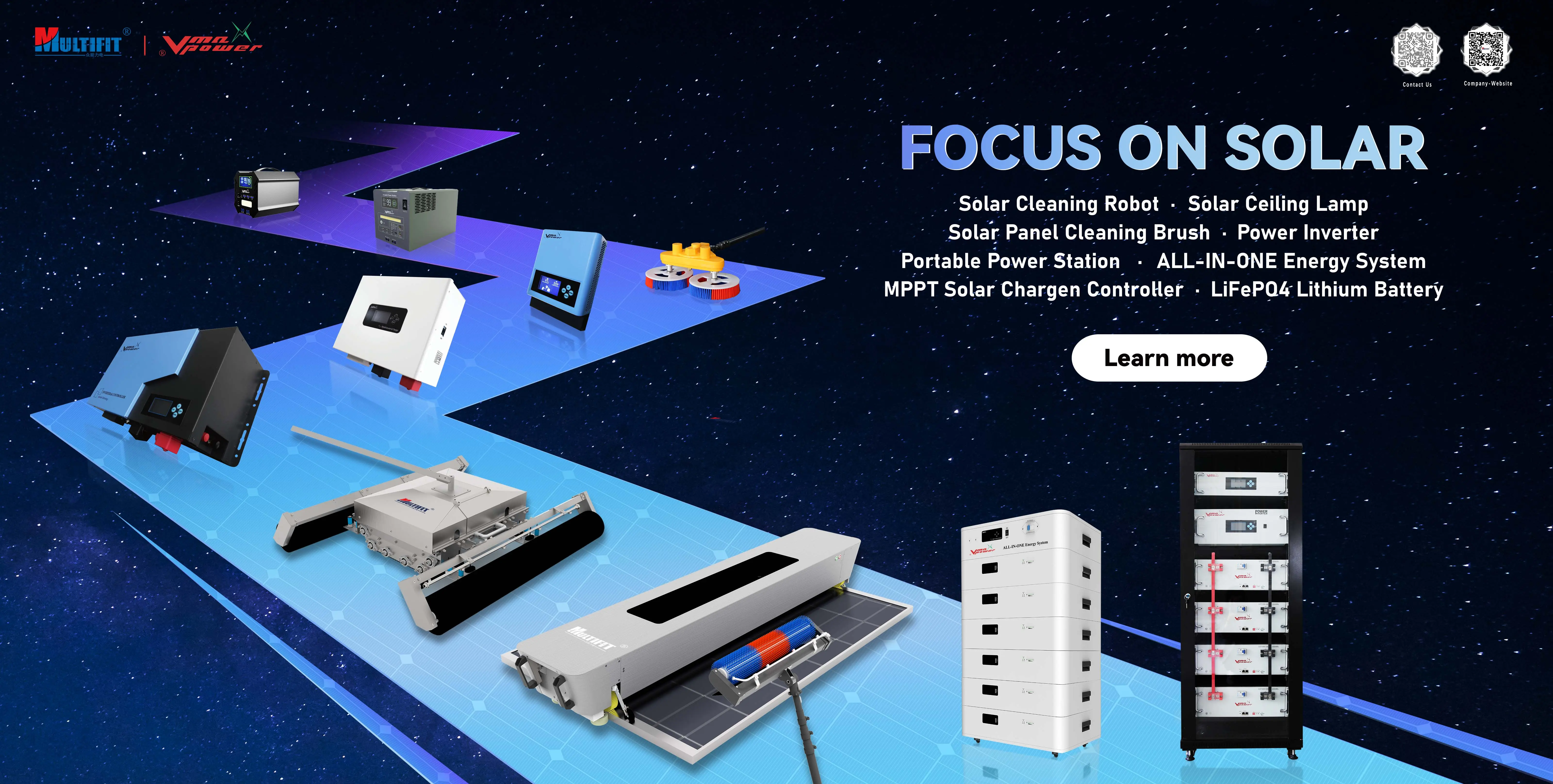
Seattle Industrial & Commercial Solar Energy Systems

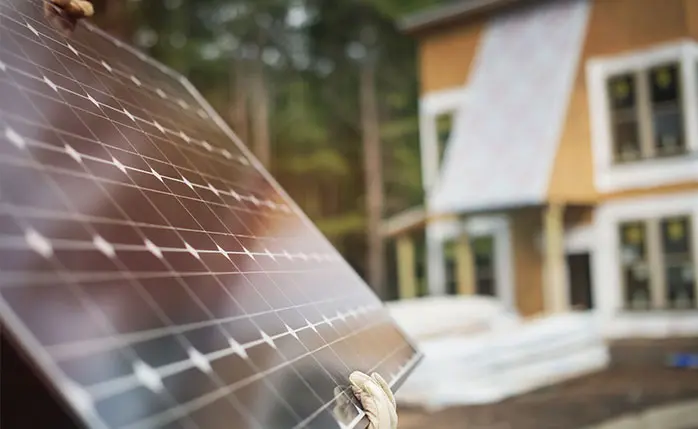
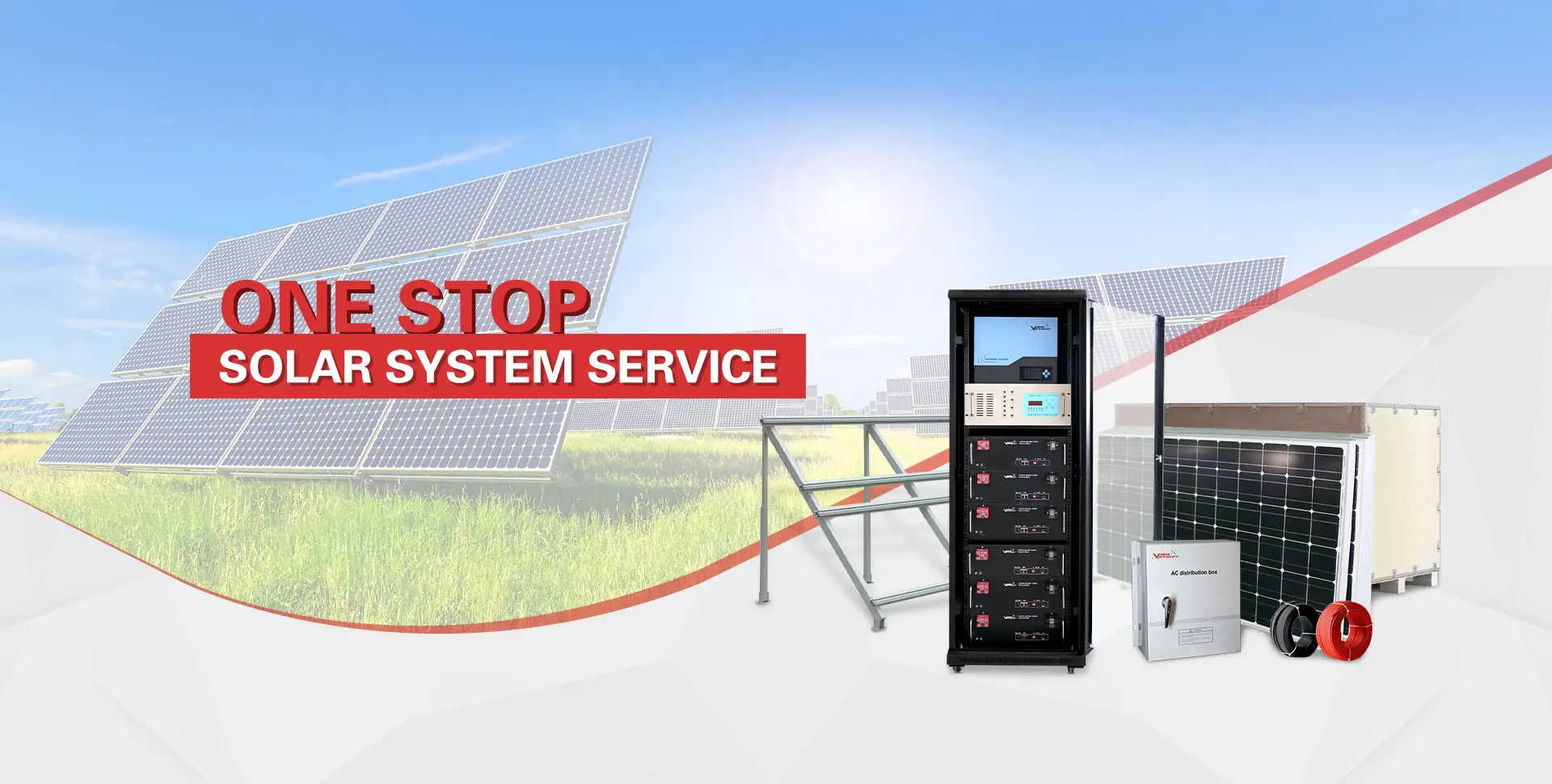
Seattle Turnkey Solar Energy Systems

Engineered Tier-1 modules optimized for diffuse Puget Sound irradiance, pairing high low-angle conversion with smart balance of system components.
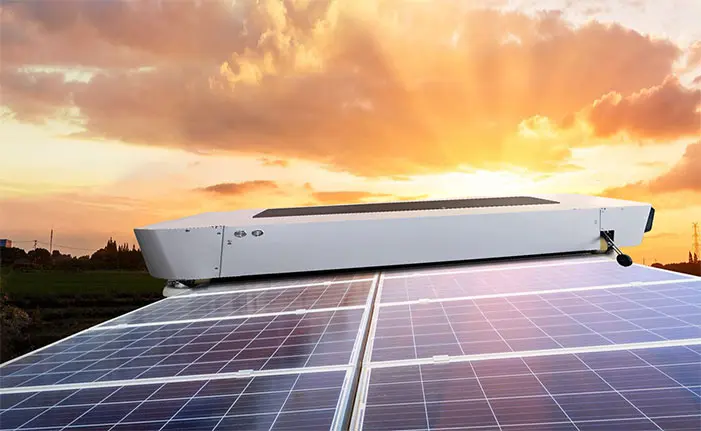
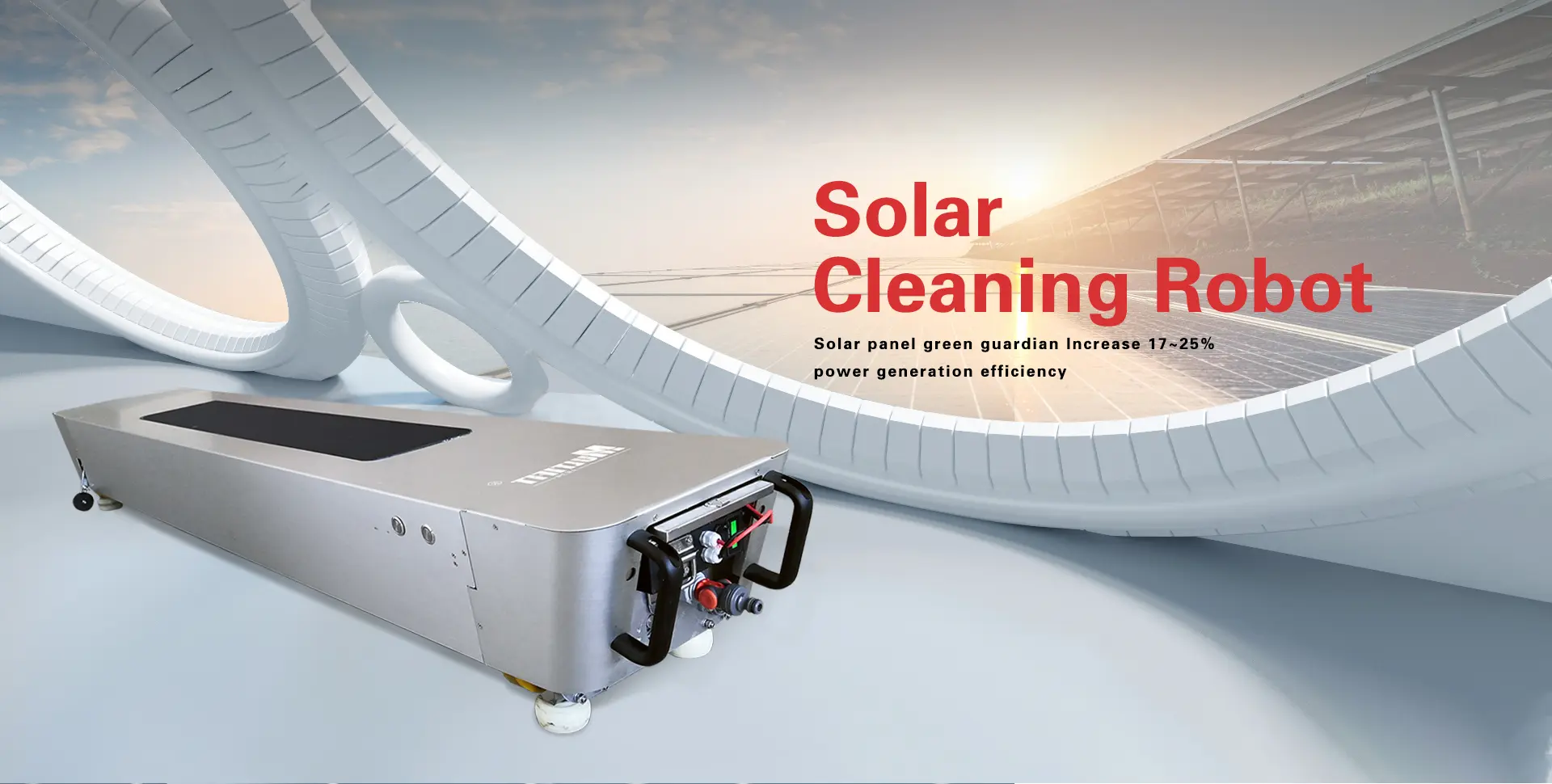
Seattle Rooftop Solar Cleaning Robot

Pacific Northwest Solar Cleaning Robot

Robotic soiling mitigation specifically tuned for wet pollen, lichen, and organic maritime biofilm buildup on Seattle commercial rooftops.
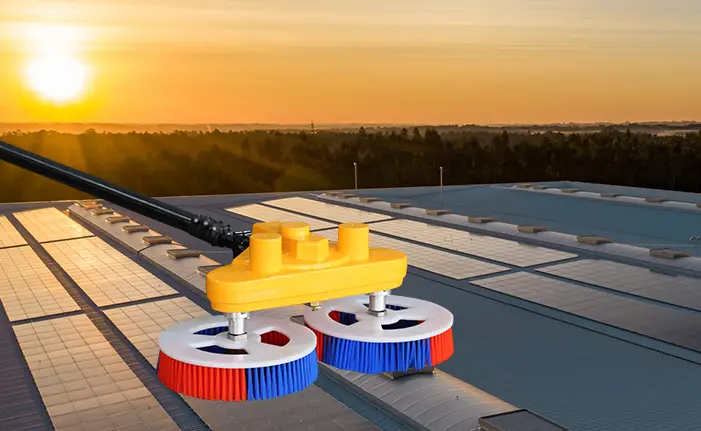
Seattle Commercial Automatic Clean Brush

Dual-Head Automatic Clean Brush

Ergonomic motorized dual brushes delivering accelerated cleaning for C&I distributed arrays across Western Washington distribution hubs.
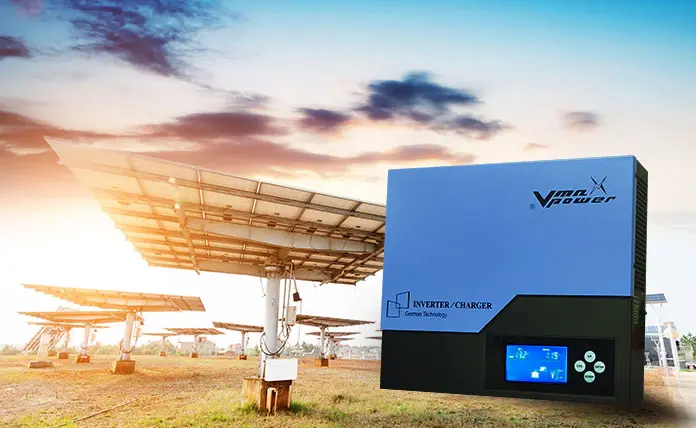
Seattle Low Frequency Inverter Charger

Heavy-Duty Low Frequency Inverter

Equipped with pure copper toroidal transformers, delivering 300% surge capability for high-inductance HVAC and heavy port machinery.

Regional Market Intelligence

The Seattle Solar Landscape: Decarbonization in the Maritime Pacific Northwest

Why Tier-1 engineering, anti-PID technology, and robust inverter topologies are transforming clean power generation across King County and the Greater Puget Sound basin.

Diffuse Irradiance Harvesting

Seattle averages approximately 152 sunny or partly sunny days per year. Despite common misconceptions, high-efficiency N-Type TOPCon and Heterojunction (HJT) cells capture wide-spectrum diffuse solar radiation efficiently during cloud-covered seasons. Modern installations achieve lower Levelized Cost of Electricity (LCOE) through advanced low-light spectral sensitivity.

Moisture, Pollen & Biofilm Soiling

The Pacific Northwest's elevated relative humidity and dense coniferous vegetation generate a sticky mix of pine pollen and atmospheric micro-particles that adhere tenaciously to glass panels. When left uncleaned, this damp biofilm solidifies into baked-on residue, yielding persistent output losses of 14% to 22% during peak generation windows from May to September.

Washington CETA & Grid Mandates

Driven by the Washington Clean Energy Transformation Act (CETA), Seattle City Light and Puget Sound Energy (PSE) require greenhouse-gas neutral retail electricity by 2030. Commercial enterprises, cold-storage operators, and tech campuses in South Lake Union and Bellevue are actively procuring onsite distributed PV plus BESS to circumvent peak demand ratchets.

2025–2026 Commercial Cost Modeling

Seattle Market B2B Turnkey Solar & Equipment Pricelist

Wholesale benchmark pricing for engineering procurement contractors (EPCs), industrial developers, and institutional buyers operating within Western Washington.

System Architecture / SKU Category Typical Scale / Power Envelope Primary Tech Configuration Indicative Price (USD Wholesale) Seattle Payback Horizon (ITC/MACRS)
Commercial Rooftop Turnkey PV 50 kW – 250 kW Arrays Bi-facial TOPCon, String Inverters, Rapid Shutdown $1.15 – $1.42 / Watt DC 5.2 – 6.8 Years
Industrial Solar + BESS Storage 100 kW PV / 200 kWh LiFePO4 Hybrid LF Inverter, Liquid Cooling, Peak-Shaving EMS $1.75 – $2.10 / Watt-equiv 6.1 – 7.5 Years
Off-Grid Marine / Remote Industrial 10 kW – 30 kW Microgrid Pure Sine LF Toroidal Inverter, IP65 MPPT, LiFePO4 $12,800 – $34,500 / kit Immediate Generator Offset
Automated Robotic PV Cleaning Unit Cleans up to 1.2 MWp / day Dry/Wet Dual Operation, Anti-Slip Crawler, LiDAR $4,800 – $8,900 / unit 4 – 7 Months O&M Recoup
Heavy Industrial LF Inverter Charger 5 kW – 15 kW Single/Split Phase 32-bit DSP, 300% Surge Toroidal Core, Pure Sine $850 – $2,300 / unit Over 15-Year Life Expectancy
Manufacturing Excellence

China Factory 4.0: Supply Chain Resilience & Quality Traceability

Founded in 2009 in the Beijing Economic & Technological Development Zone (Equity Code 280768), Beijing Multifit Electrical Technology Co., Ltd. operates a high-precision manufacturing infrastructure compliant with ISO 9001, ISO 14001, CE, TUV, and IEC standards.

By controlling the entire process from proprietary printed circuit board assembly (PCBA) and automated toroidal winding to automated robotic testing, VMAX POWER eliminates middleman margins. For Seattle commercial contractors, this direct supply paradigm guarantees component-level batch consistency, direct access to firmware calibration engineers, and substantial margin protection during public competitive bidding.

2025–2030 Technology Roadmap

  • AI-Driven Preventive Soiling Algorithms: Real-time SCADA integration calculating irradiance-to-temperature efficiency loss to trigger robotic brushes automatically.
  • Solid-State Transformer Integration: Transitioning next-generation low-frequency inverters into wide-bandgap Silicon Carbide (SiC) semiconductor architectures for >99% conversion efficiency.
  • Extreme Weather Resilient Encapsulation: Specialized multi-layer damp-heat and salt-mist coatings specifically configured for coastal and high-humidity environments.
Compliance & Engineering Assurance

Rigorous Certification Built for Strict Pacific Northwest Codes

Every system is tested against global grid protocols, UL 1741, IEEE 1547, and international CE/TUV/IEC quality baselines.

2009
Founded Year
80+
Export Nations
20+
Patented Techs
100%
Factory Pre-Tested

Rapid Shutdown Compliance

Designed to integrate with NEC 2020 / NEC 2023 module-level rapid shutdown (MLRSD) standards enforced by Seattle Department of Construction and Inspections (SDCI).

Extreme Marine Corrosion Resistance

Anodized aluminum framing and IP65/IP66 enclosure sealing pass severe salt-spray and condensation assessments, vital for Port of Seattle and coastal installations.

Rapid Port of Seattle Logistics

Direct trans-Pacific container shipping routes from Tianjin/Shanghai directly into the Northwest Seaport Alliance (NWSA) docks, saving inland freight friction.

Extended Product Catalog

Specialized Photovoltaic Equipment & Storage Components

Complete modular ecosystem from Beijing Multifit, including grid-tied inverters, high-capacity storage, specialized automation, and industrial solar illumination.
Seattle Industrial Clean Solar System Factory

Turnkey Clean Solar System

Integrated cleaning stations and self-monitoring solar configurations preventing early module degradation.
Seattle Hybrid Energy Storage Inverter

Energy Storage Inverter (BESS)

Smart bidirectional conversion system managing battery discharge curves and peak rate shaving seamlessly.
Seattle High Frequency Solar Inverter

High Frequency Solar Inverter

Transformerless compact architecture offering high power density for residential and light commercial roofs.
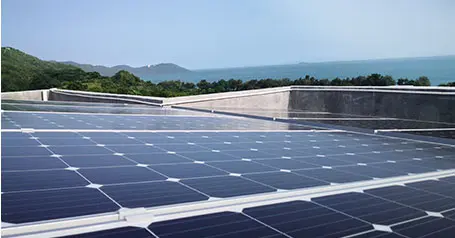
Seattle Off Grid Solar Power System

Off-Grid Industrial Solar System

Self-sustaining microgrids built for off-grid maritime communication stations, remote cabins, and forestry sites.
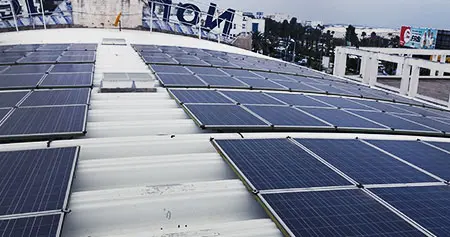
Seattle Utility On-Grid Solar System

Utility On-Grid Solar System

High-yield synchronized PV arrays engineered for direct interconnection with municipal utility distribution networks.
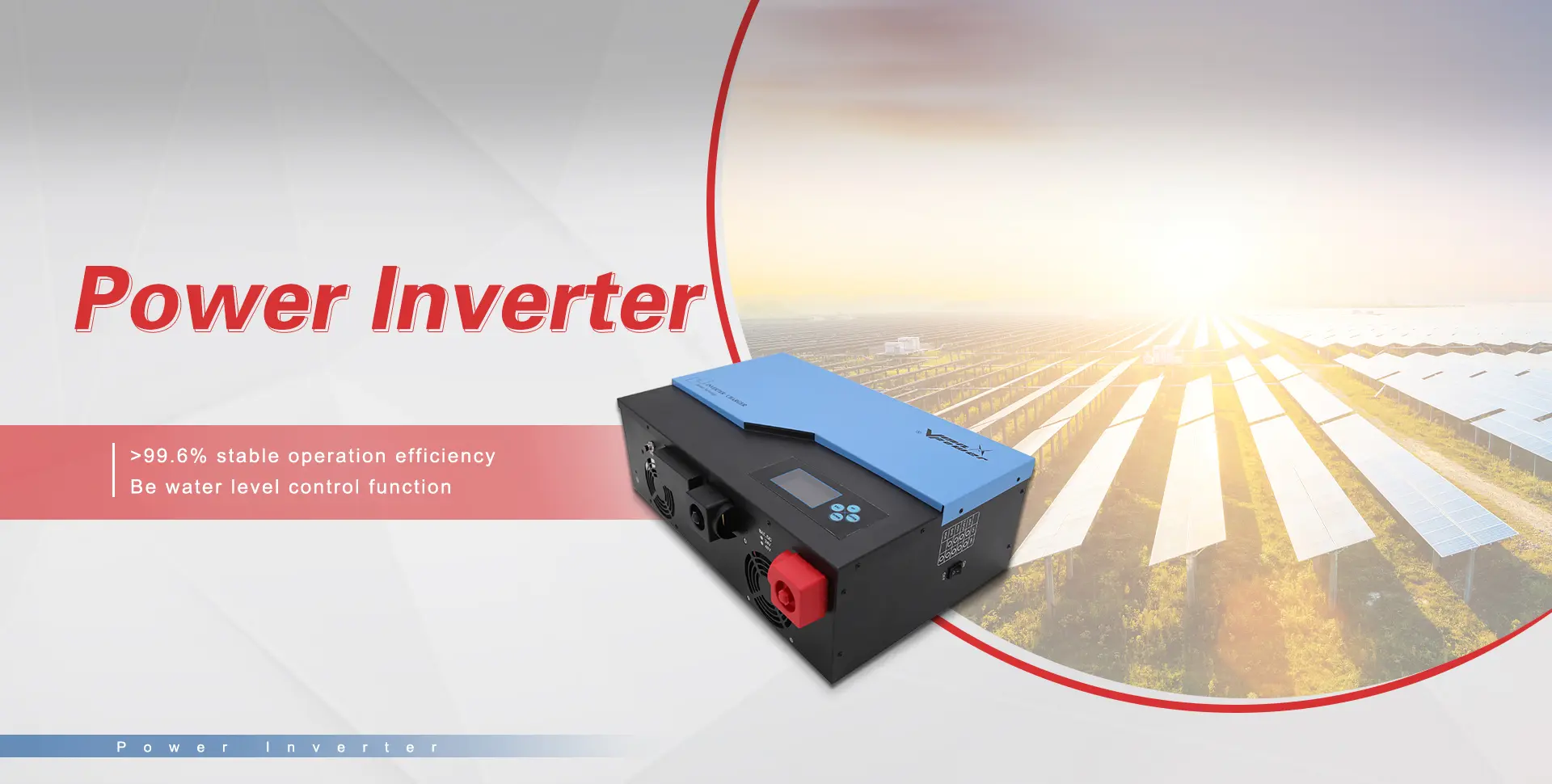
Seattle Commercial Power Inverter Plant

Factory-Direct Power Inverter

Heavy-duty, low-harmonic distortion pure sine wave power conditioning units for industrial power reliability.
Seattle LiFePO4 Solar Battery Bank

Deep-Cycle Solar Battery (LiFePO4)

High-thermal-stability Lithium Iron Phosphate battery banks with integrated smart battery management systems (BMS).
Seattle Smart Solar Charge Controller

Intelligent Solar Controller

High-speed MPPT controllers achieving 99.5% tracking efficiency even in rapidly shifting cloud environments.

Technical Clarification

Frequently Asked Questions: Sourcing & Engineering for Seattle

In-depth guidance addressing low-temperature battery performance, Pacific Northwest net metering, inverter topology selection, and direct factory procurement.

How do solar panels perform under Seattle's persistent cloud cover and maritime drizzle?
Contrary to popular belief, modern photovoltaic panels do not require direct sunlight to generate electricity. Modern monocrystalline modules (especially N-Type TOPCon and Heterojunction cells) are engineered with high spectral responsiveness to diffuse ultraviolet and infrared light that penetrates heavy cloud layers. Because photovoltaic cell efficiency drops as operating temperature rises, Seattle's cool maritime climate actually allows panels to operate within their optimal thermal window, avoiding the severe heat-induced derating experienced in southern desert regions.
Why does the Seattle environment make automated panel cleaning critical?
Seattle's extensive evergreen tree canopy produces massive airborne pine and spruce pollen release between April and June, followed by damp ocean humidity. This moisture causes fine dust and pollen to cure into an adherent, sticky film on glass surfaces. Light drizzle is insufficient to wash this away; instead, it causes streaking and localized hot spots. Automated cleaning robots and motorized brushes safely remove this sticky buildup, preventing 14–22% annual power loss and eliminating the high liability costs of manual rooftop washing.
Should commercial projects in Western Washington specify Low-Frequency or High-Frequency inverters?
The decision depends on the load characteristics:
  • Low-Frequency Inverters (with toroidal copper transformers): Ideal for maritime port infrastructure, refrigerated warehouses, industrial processing lines, and facilities running large compressors or inductive motors. Their massive copper core effortlessly absorbs start-up inductive surges (up to 300% for 20 seconds) without component failure.
  • High-Frequency Inverters: Ideal for commercial offices, retail centers, and residential developments where loads are primarily electronic and resistive. They offer lighter weight, smaller form factors, and lower upfront unit cost.
How does Beijing Multifit (VMAX POWER) support OEM/ODM integration for US distributors?
We offer end-to-end OEM and ODM capabilities, including customized branding, tailored packaging, custom communication protocols (Modbus RS485/CAN/WiFi), firmware adjustments, and hardware adaptations to meet specific regional requirements. US distributors receive engineering drawings, test records, and direct technical support from our factory engineering team.
What are the lead times and shipping routes to the Port of Seattle?
Standard production turnaround for complete turnkey systems and containerized equipment is typically 15 to 25 working days. Ocean freight from our primary export docks (Tianjin or Shanghai) directly to the Port of Seattle/Tacoma (Northwest Seaport Alliance) usually takes 14 to 18 sailing days. We assist with container loading optimization, bill of lading documentation, export customs clearance, and CE/IEC quality dossier compliance.
How is lithium battery degradation managed during freezing winter nights in King and Pierce County?
Our LiFePO4 industrial battery banks feature built-in smart BMS protection with integrated low-temperature cutoff and internal pre-heating thermal management loops. The system prevents charging below 0°C (32°F) to avoid lithium plating degradation, using incoming solar generation to warm the internal cells to safe operating levels before initiating bulk charge phases.
Direct Factory Engineering

Accelerate Your Solar Deployment in Seattle

Connect directly with our Chief Systems Application Engineer. Get matched BOM estimates, inverter electrical diagrams, and custom container freight pricing within 24 hours.

Send Inquiry Now