

Engineered to mitigate Stage 6 load shedding, reduce municipal peak surcharges, and optimize solar yield across South Africa's high-irradiation provinces.

Navigating structural load shedding, municipal feed-in tariffs (SSEG), and decarbonization roadmaps with robust grid-tied infrastructure.
The South African energy matrix has reached a decisive juncture. Persistent Stage 3 through Stage 6 load shedding executed by Eskom has created operational uncertainty for high-demand processing plants, cold storage facilities, mines, and retail hubs. Transitioning to an on-grid solar photovoltaic (PV) topology provides an immediate operational hedge, lowering blended Levelized Cost of Electricity (LCOE) to under R0.85 per kWh, in stark contrast to municipal utility tariffs surpassing R2.80–R4.20/kWh during peak Megaflex windows.
Under the updated National Energy Regulator of South Africa (NERSA) frameworks and City of Cape Town / City Power SSEG (Small-Scale Embedded Generation) bylaws, businesses can legally feed back surplus generation for billing credits or deploy zero-export limiters to remain completely autonomous from grid-synchronization disputes.
Purpose-built power electronics designed to master low-inertia grid stability, high ambient thermal derating, and automated cleaning protocols.
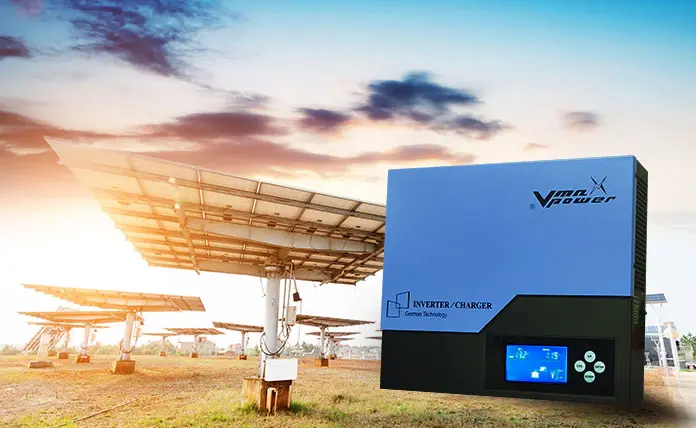
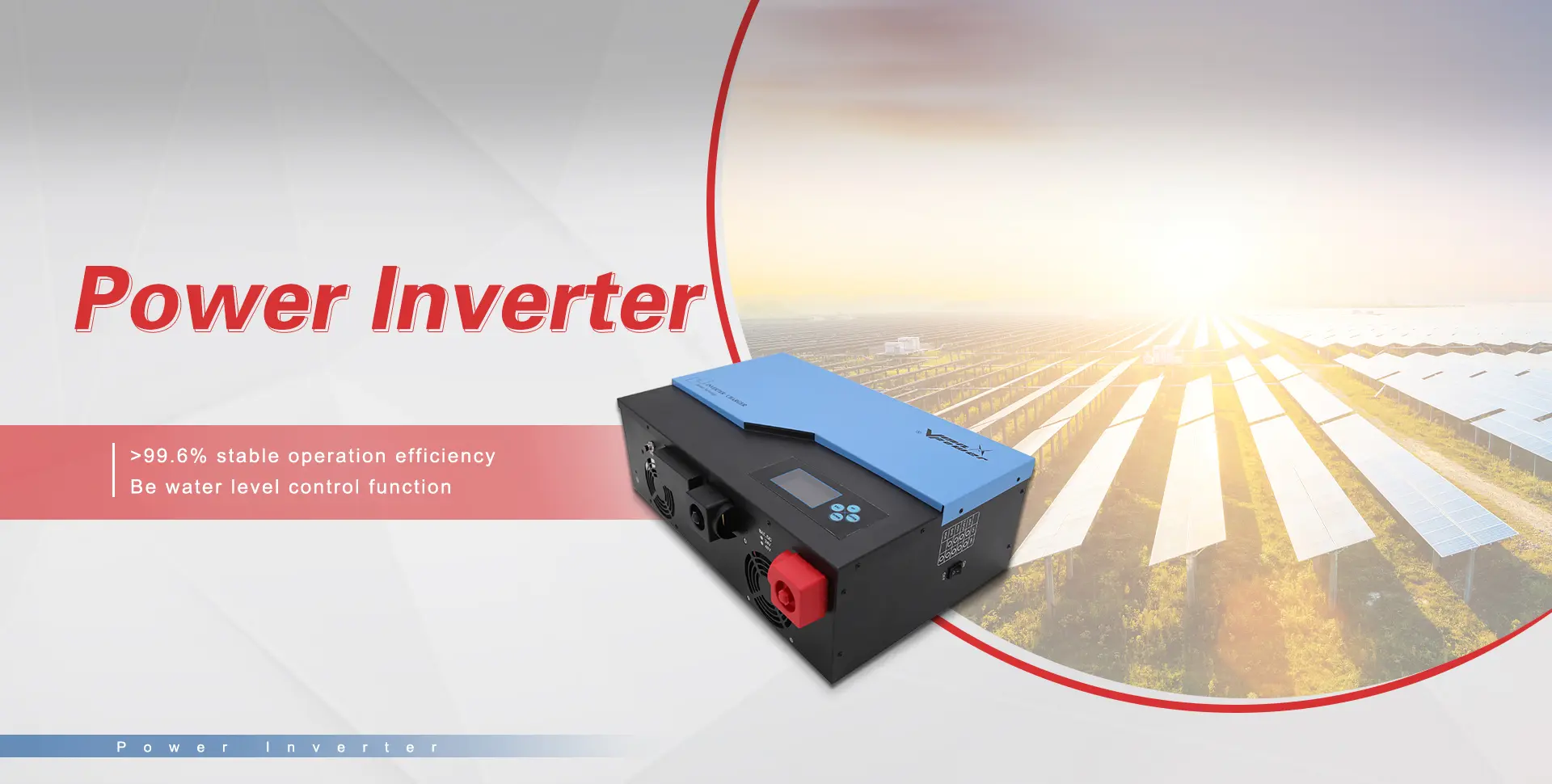
Equipped with dual 32-bit digital signal processors (DSPs) executing ultrafast islanding detection (<20ms) and dynamic reactive power control (Volt/VAr) matching Eskom Grid Code Section 4.3 standards.
Reinforced heat dissipation channeling and smart variable-speed brushless cooling systems that prevent generation clipping under severe Karoo and Northern Cape summer operational peaks.
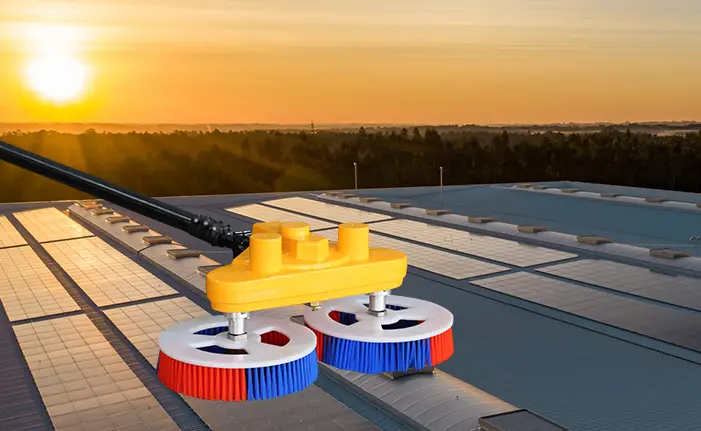
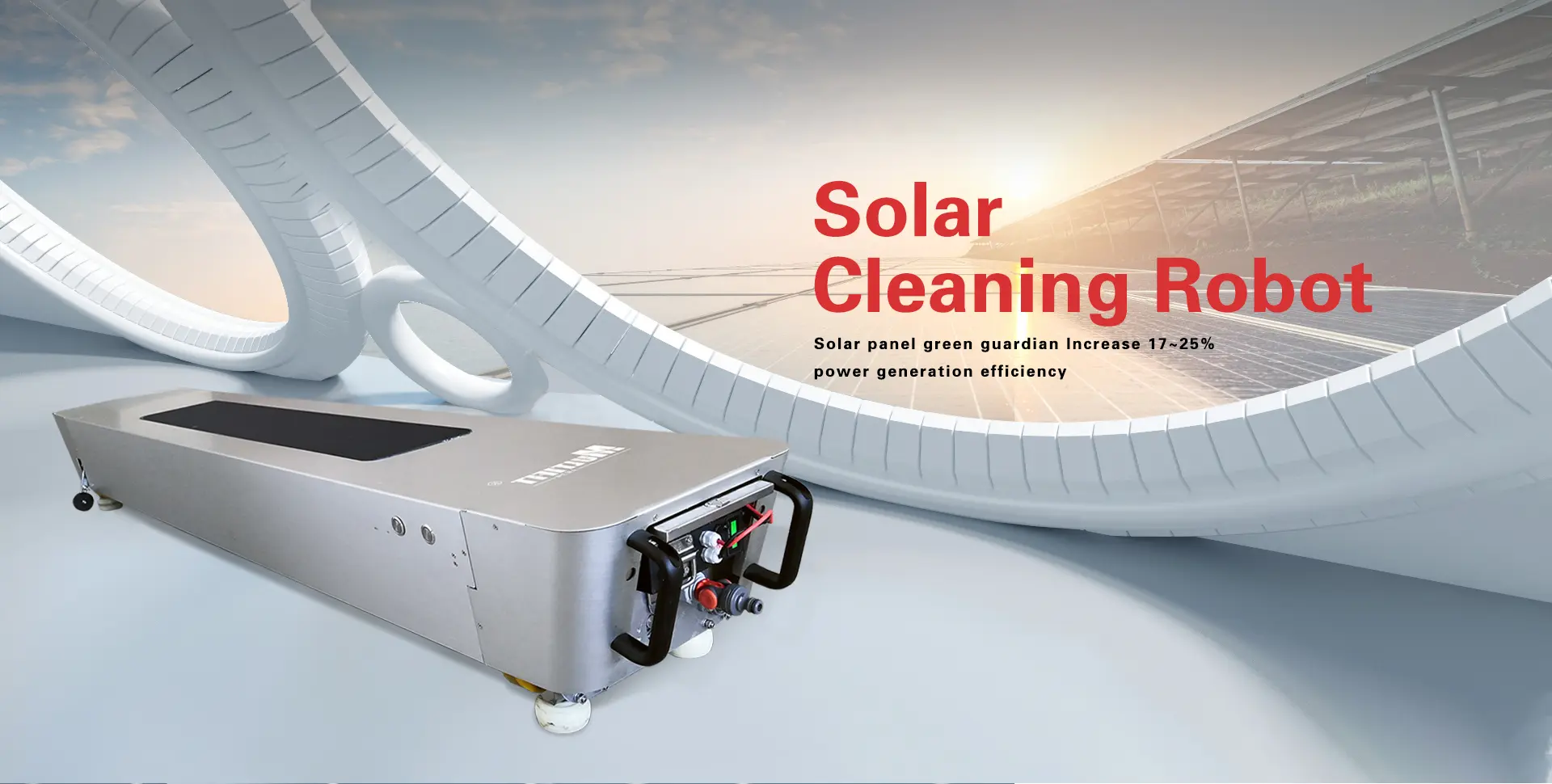
Integration with automated waterless robotic brushes specifically engineered for dry, semi-arid environments where soiling losses can erode generation yield by 2.5% to 8% weekly.
A technical guide for project developers, mechanical engineers, and corporate energy managers sizing utility-connected PV arrays.
| System Architecture | Eskom Synchronization | Battery Bank Integration | Optimal Deployment Arena | LCOE Level (ZAR) | Key Hardware Bill of Materials |
|---|---|---|---|---|---|
| Direct On-Grid C&I System | Required; continuous synchronization via bi-directional meter | Not required (Direct PV-to-load displacement) | Manufacturing factories, corporate parks, day-shift cold storage | R0.72 – R0.95 / kWh | High-efficiency N-Type TOPCon Panels, On-Grid String Inverter, Zero-Export Logger |
| Hybrid Microgrid (Grid + Storage) | Flexible; operates grid-parallel or isolates during load shedding | Essential (High-voltage LiFePO4 rack systems) | Hospitals, data centers, multi-shift logistics depots, continuous processing | R1.35 – R1.65 / kWh | Multi-mode Hybrid Inverter, Tier-1 LiFePO4 Batteries, Static Transfer Switch (STS) |
| Isolated Off-Grid Industrial | Completely disconnected; zero dependency on utility lines | Mandatory (48V to 800V high capacity storage) | Remote agricultural pumping, border outposts, deep bushveld lodges | R1.80 – R2.40 / kWh | Low Frequency Toroidal Inverters, MPPT Solar Controllers, Genset Auto-Start Unit |
Beijing Multifit Electrical Technology Co., Ltd. (Equity Code: 280768) operates automated manufacturing facilities built on Industry 4.0 protocols. Every solar component, from our toroidal transformer cores to high-power energy storage inverters, undergoes automated optical inspection (AOI), full-load thermal burn-in testing, and dielectric insulation checks.

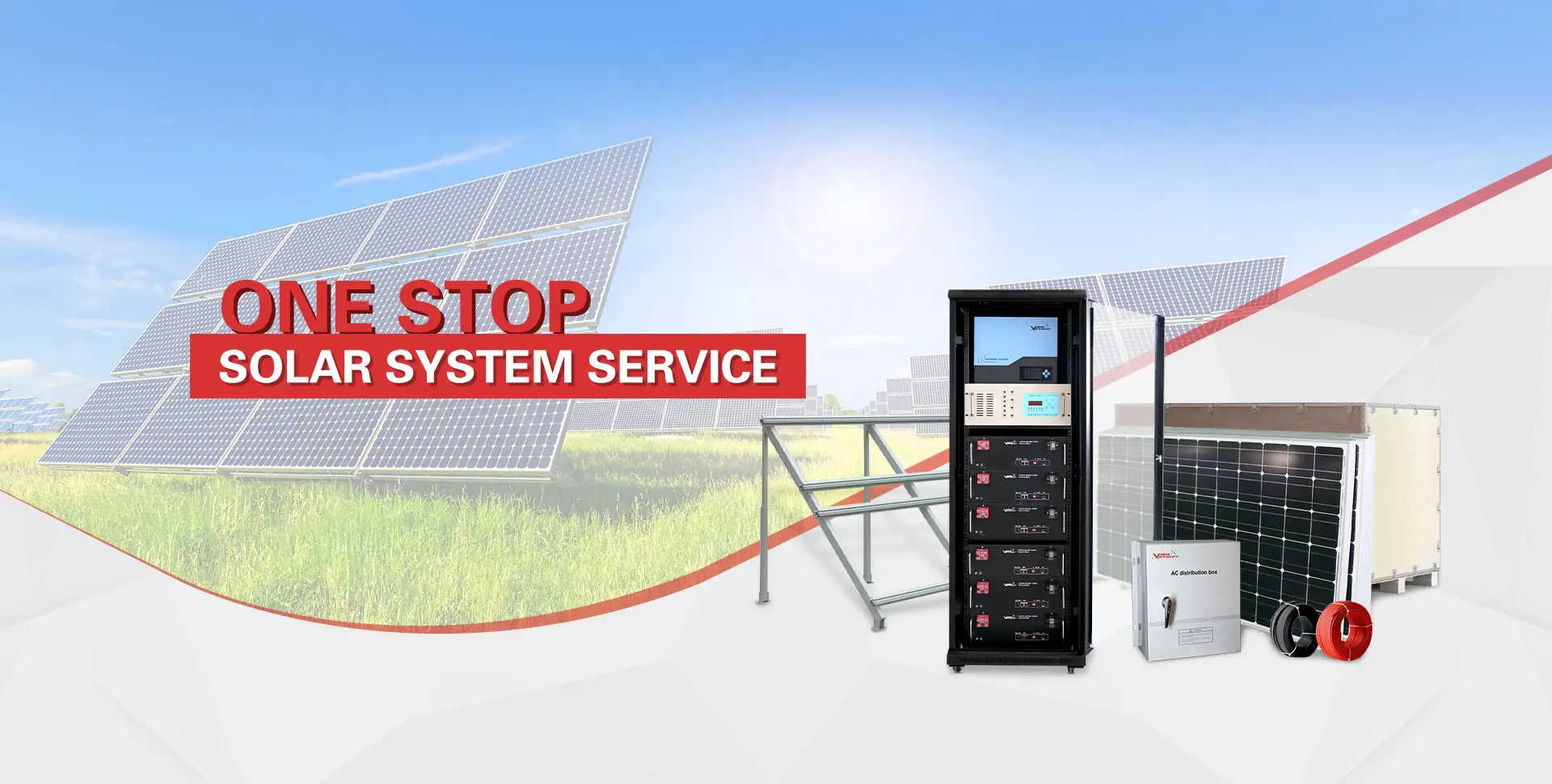
Complete certified bills of materials ready for direct export container loading, private labeling, and installer distributor hubs.


Addressing compliance, reverse power flow, customs tariffs, and local utility regulations.