High-Efficiency Solar Systems & Automation for Ethiopia
Direct factory shipments of pre-engineered on-grid packages, intelligent panel maintenance robotics, and industrial inverters built to endure high elevations and harsh dust environments.
Grid Dynamics & The Commercial Solar Shift in Ethiopia
The Federal Democratic Republic of Ethiopia possesses extraordinary renewable natural wealth, anchored by hydroelectric assets such as the Grand Ethiopian Renaissance Dam (GERD). However, rapid urbanization in Addis Ababa, Dire Dawa, and regional industrial parks has created localized grid transmission bottlenecks, frequent voltage sags, and rationing during prolonged dry hydrological periods.
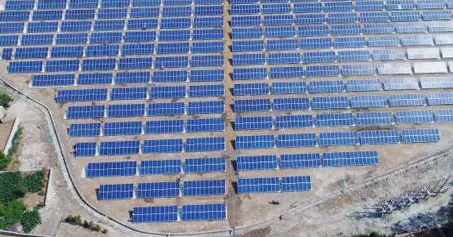
For commercial operators in textile mills, coffee processing, edible oils, and cold storage, unplanned grid dropouts force reliance on expensive diesel fuel. The deployment of synchronized on-grid solar systems provides a high-return solution: generating daytime electricity directly under the Ethiopian sun (averaging 5.5 to 6.5 kWh/m²/day) to eliminate daytime grid pull and offset diesel runtime dramatically.
High Altitude Solar Density: High elevation (Addis Ababa at 2,355m) reduces atmospheric scattering, increasing irradiance yet requiring components with elevated dielectric withstand and thermal derating protection.
Diesel-Solar Hybrid Synchronization: Smart inverters must communicate dynamically with on-site genset controllers via zero-export relays to prevent reverse current from damaging generator alternators.
Ethiopian Commercial Energy Metrics
Analysis of commercial facility operations transitioning from grid+diesel to on-grid solar synchronization.
Daily Sunlight Exposure
8.5 to 10 Peak Sun Hours Daily (Rift Valley)
Diesel Generation Cost
$0.35 - $0.55 / kWh (Transport & Gen Maintenance)
On-Grid Solar Levelized Cost (LCOE)
$0.042 - $0.068 / kWh over 25-Year Lifecycle
Typical CAPEX Payback
2.4 to 3.8 Years in Industrial Estates
Global Trends vs. Local Realities
The Global Energy Shift: Smart Grid Support & Energy Autonomy
Around the globe, on-grid solar systems have progressed from basic passive feeding arrays into intelligent, proactive distributed energy nodes. Modern grid codes—such as IEEE 1547-2018 and UL 1741 SB—mandate reactive power compensation, low-voltage ride-through (LVRT), and frequency watt regulation.
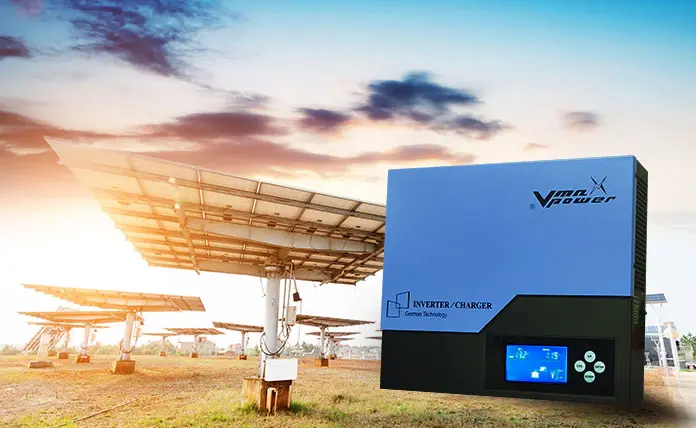
For engineering contractors and EPCs delivering systems into Ethiopia and the greater East African corridor, specifying Tier-1 European and Chinese certified equipment from factory manufacturers guarantees compliance with Ethiopian Electric Power (EEP) connection standards. By blending high-frequency switching technology for compact urban roofs and rugged low-frequency transformer topologies for heavy industrial milling loads, VMAX POWER enables Ethiopian developers to bypass common grid instability pitfalls.
Future-Proof Technical Roadmap for Ethiopian Solar Systems
How our R&D engineering integrates next-generation PV power conversion, digital grid control, and arid cleaning intelligence for long-term project viability.
Phase 01
Altitude-Resilient Power Topologies
Enlarged heatsinks, forced cooling algorithms, and augmented insulation distances engineered to counter low-air-density thermal dissipation common in Addis Ababa (2,300m+).
Phase 02
AI Grid Synchronization & Anti-Feed
Zero-export smart micro-controllers communicating over Modbus/RS485 and wireless LoRa to ensure strict adherence to local utility interconnection rules without backfeed penalty.
Phase 03
Autonomous Water-Free O&M
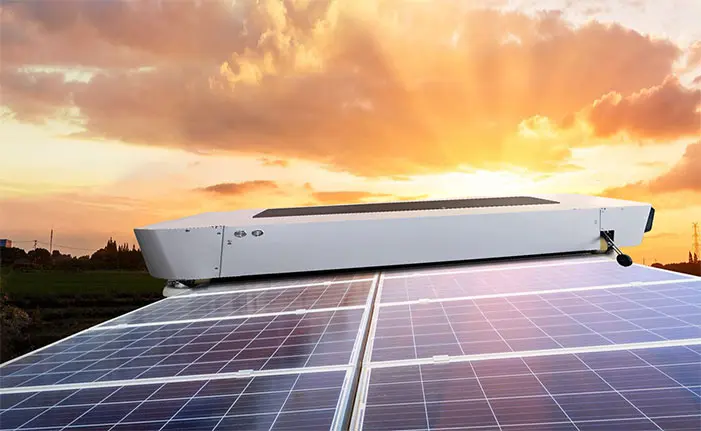
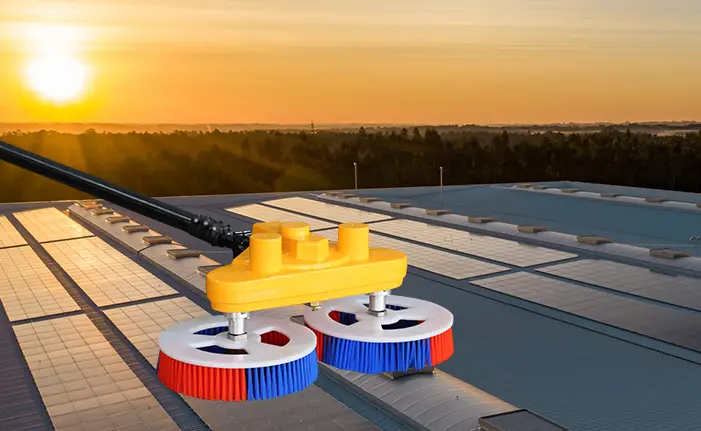
Deploying specialized caterpillar-track photovoltaic cleaning robots operating on scheduled AI routines to remove volcanic dust and agricultural residues without wasting scarce water.
Phase 04
Modular Storage Augmentation
Seamless DC-coupled and AC-coupled LiFePO4 battery retrofitting capability, transforming standard grid-tied commercial systems into resilient hybrid islanding power plants.
Technical Verification
On-Grid PV System Topologies: Commercial & Industrial Matrix
Technical data and system topology comparison for engineering teams sizing installations in Ethiopia.
System Architecture
Typical Capacity
Ideal Application Scenario
Grid Interactive Capability
Recommended Multifit Hardware
String Inverter On-Grid
10 kW – 100 kW
Commercial buildings, schools, shopping complexes in urban areas
Full export or zero-export limit control via CT meters
Integrated Solar Equipment & High-Reliability Components
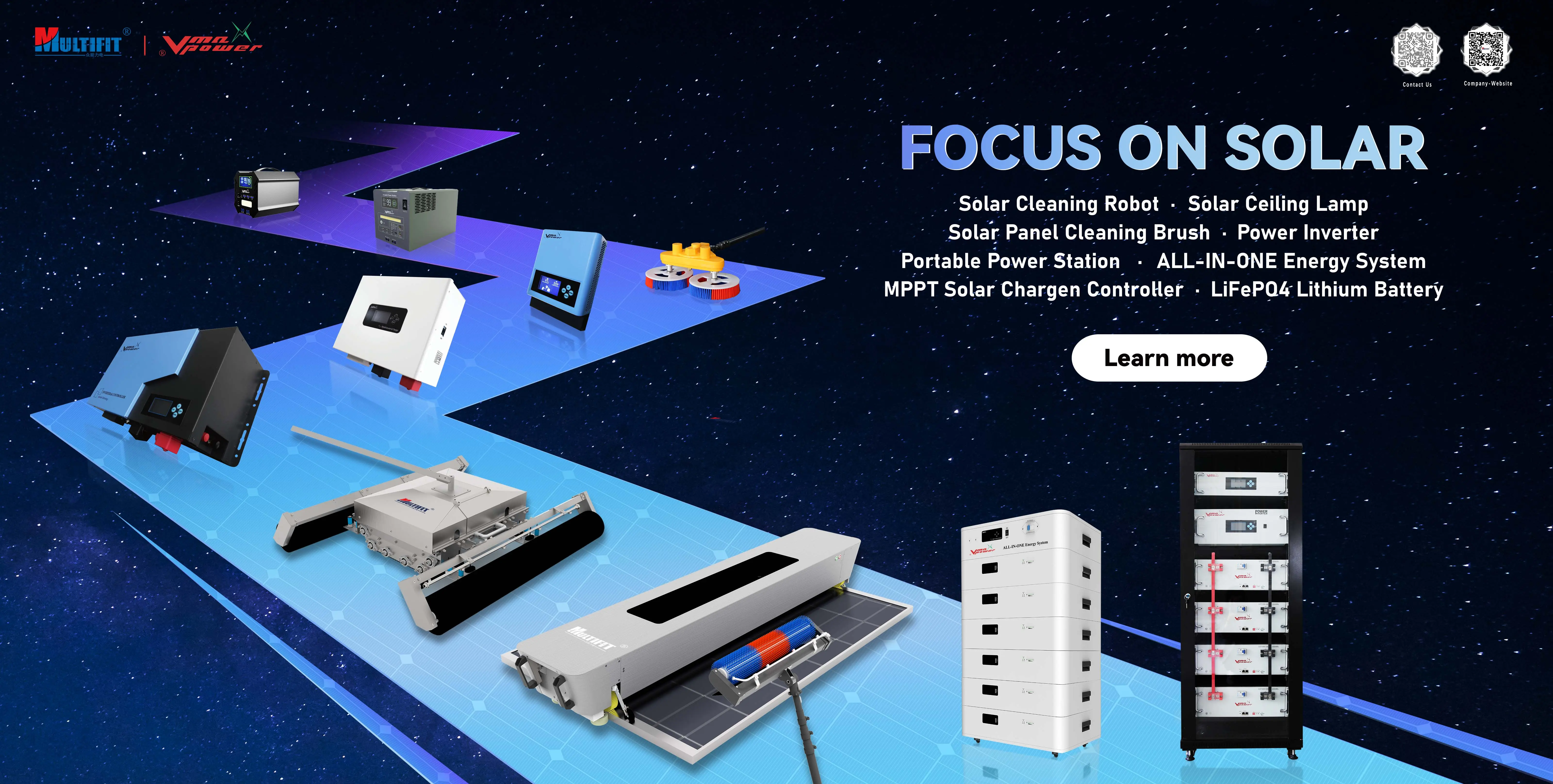
Source factory-direct hardware engineered, matched, and pre-commissioned by Beijing Multifit Electrical Technology Co., Ltd. for seamless deployment in East Africa.
Engineering & Procurement FAQ for Ethiopia Projects
Direct technical clarity from Beijing Multifit's engineering team on grid interconnectivity, logistics, customs, and site durability.
Can on-grid solar systems operate safely with diesel generators in Ethiopian factories?
Yes, but only when configured with a specialized smart controller and dynamic zero-export relay. Under normal grid operation, the inverter exports power to meet facility demand. If the Ethiopian national grid fails and the facility transfers to diesel backup power, the VMAX POWER system throttles its output instantaneously to match facility loads, preventing backfeeding into the generator alternator which would otherwise cause trip-outs or generator burnout.
How does the high altitude of Addis Ababa (2,300m+ ASL) affect on-grid inverters?
Standard electronics experience dielectric breakdown and reduced air cooling in lower atmospheric pressure. For systems deployed above 2,000 meters in Ethiopia, VMAX POWER engineers oversize internal thermal heat-dissipating channels, use higher-voltage dielectric breakdown clearances, and implement custom firmware algorithms to ensure zero thermal throttling during peak midday hours.
What certifications are provided for Ethiopian customs and regulatory approval?
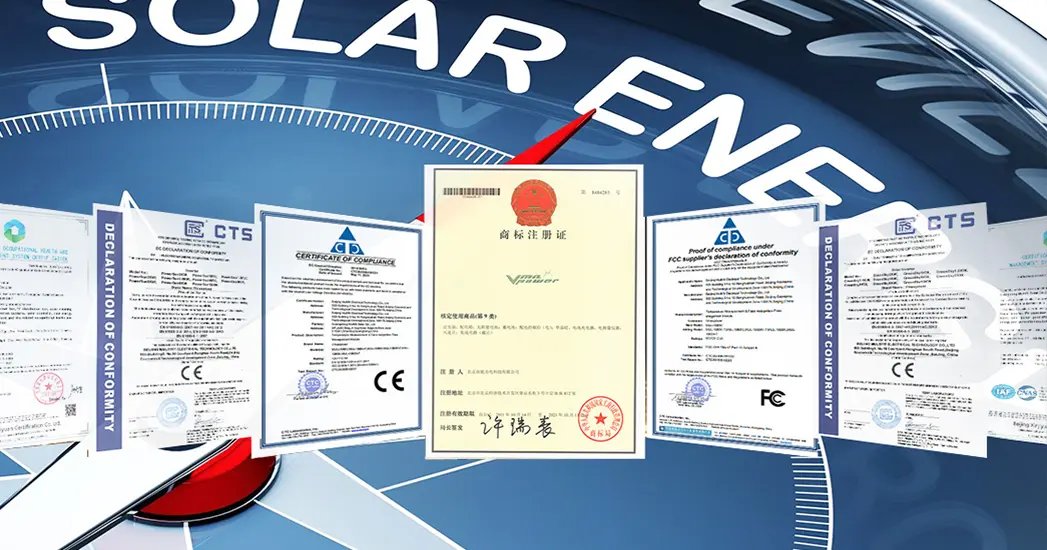
All VMAX POWER equipment manufactured by Beijing Multifit Electrical Technology Co., Ltd. is verified under ISO 9001 and ISO 14001, carrying CE, TUV, and IEC certifications (including IEC 62109, IEC 61727, and IEC 62116). These satisfy the standard conformity assessment inspection programs mandated by Ethiopian conformity bodies and international EPC contractors.
Why is panel cleaning robotics critical for solar projects in the Ethiopian Rift Valley?
The Ethiopian Rift Valley and northern arid zones experience dry seasons characterized by high particulate volcanic dust and blowing agricultural soils. This soiling can degrade solar output by 18% to over 35% within just weeks. Because fresh water is a scarce and costly resource in these regions, VMAX POWER dry-cleaning robots remove dust autonomously without using a single drop of water.
Do you offer OEM private labeling and full container load (FCL) shipping to Djibouti port?
Yes. We regularly supply distributors, developers, and government contractors with OEM customized branding, localized packaging, and custom-tuned electrical specifications. Logistics are streamlined via primary shipping lines directly from Chinese export ports into the Port of Djibouti, the primary maritime gateway servicing the Ethiopian land corridor.
Direct Factory Partnership
Accelerate Your Ethiopian Solar Installation Today
Whether you require a complete megawatt-scale bill of materials for an industrial plant or containerized distributed systems for regional distribution, Beijing Multifit engineers are ready to assist.