Engineered to handle severe seasonal load swings, dynamic grid curtailments, and zero-compromise microgrid failover across Upper Austria, Styria, and Lower Austria industrial hubs.
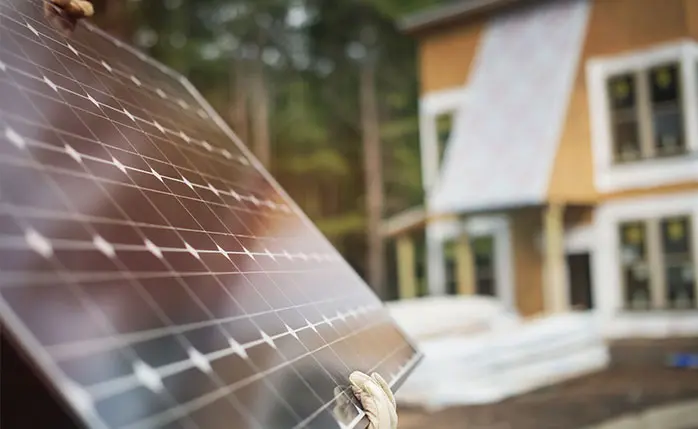
Unified Austrian-spec solar packages featuring precision module-inverter impedance matching, LiFePO4 battery storage integration, and bidirectional grid support.
View Austria Specs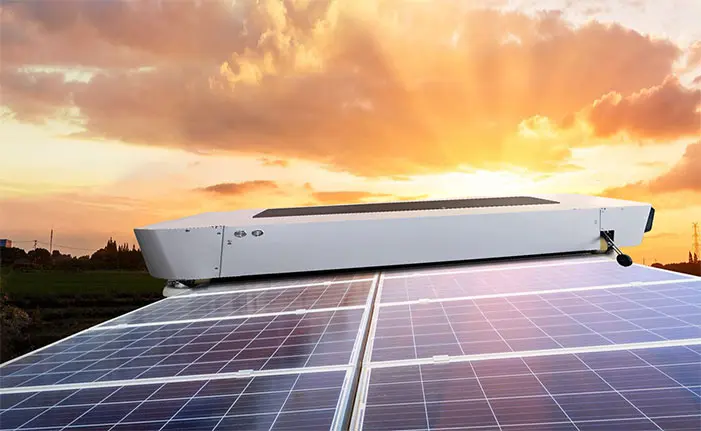
Autonomous snow, frost, and dust management for commercial roof arrays and alpine ground systems, eliminating snow shading and recovering up to 25% energy yield.
Explore Cleaning Tech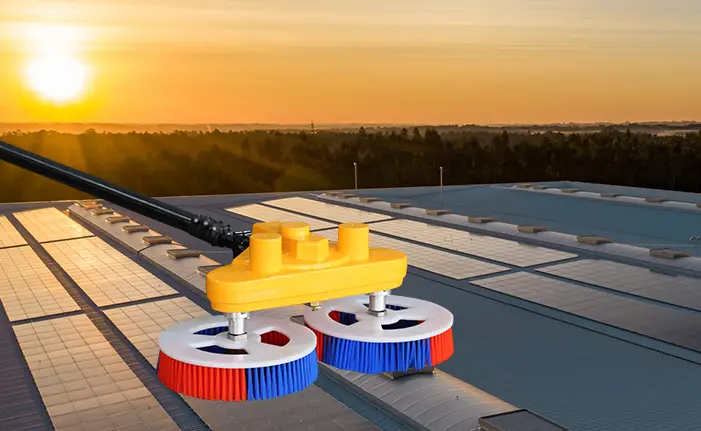
Ergonomic dual-head rotating brush assembly designed for O&M teams handling architectural solar facades and medium-sized rooftop PV arrays across Vienna and Graz.
View Brush Details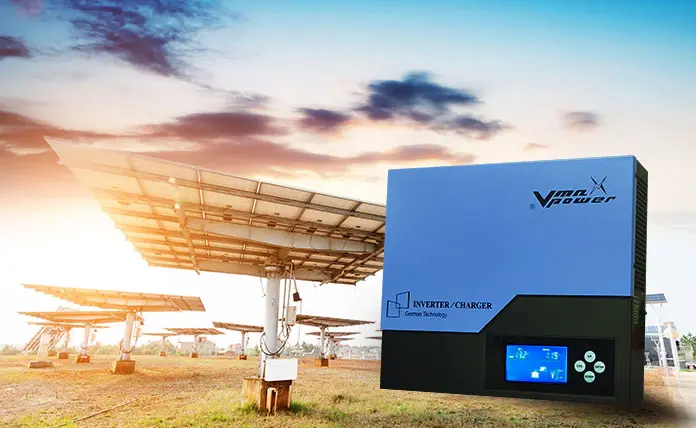
Heavy-duty pure copper toroidal transformer with 300% surge capacity. Built for inductive loads, CNC equipment, heavy compressors, and rugged mountain microgrids.
Industrial LF InverterAnalyzing Austria's transition toward 100% renewable electricity by 2030 (Erneuerbaren-Ausbau-Gesetz, EAG) and why smart energy storage inverters are pivotal for grid resilience.
Under Austria's Erneuerbaren-Ausbau-Gesetz (EAG), the national goal mandates an increase of 27 TWh in renewable electricity by 2030, with 11 TWh specifically dedicated to solar photovoltaics. However, the Austrian distribution grid—operated by major DSOs such as Wiener Netze, Netz Niederösterreich, Energie Steiermark, and Netz Oberösterreich—is encountering severe high-voltage line congestion during summer production peaks.
Consequently, Austrian grid operators have progressively tightened feed-in allowances. Commercial and agricultural PV operators without integrated energy storage face dynamic export curtailments, or even total connection refusal for systems larger than 50 kW without strict self-consumption guarantees. Here, the energy storage inverter acts not merely as an electrical converter, but as a digital governor: arbitrating behind-the-meter generation, buffering intraday solar surges, and feeding stored power back during Austrian APG (Austrian Power Grid) peak pricing windows.
By pairing high-cycling LiFePO4 batteries with intelligent low- and high-frequency inverters featuring millisecond frequency-shifting algorithms, our systems allow Austrian commercial facilities to retain 100% generated power on-site while avoiding punitive peak-demand capacity tariffs (Netznutzungsentgelte).
Unlike standard sub-tropical or temperate installations, solar infrastructure in Tyrol, Salzburg, Carinthia, and Vorarlberg confronts extreme thermal fluctuations. Operating ambient ranges from -25°C in deep winter to +35°C in high-altitude summer radiation fields demand industrial-grade thermal and electrical design.
Conventional silicon topology inverters frequently experience thermal derating or cold-start failure under prolonged sub-zero cycles when coupled to refrigerated battery enclosures. VMAX POWER's dedicated Austrian series employs multi-layered thermal boundary management: low-loss magnetic core toroidal transformers designed with vacuum varnish impregnation, combined with internal pre-heating controls for cold-soaked lithium battery management systems (BMS).
Furthermore, our inverters incorporate high-velocity IP65 ingress protection seals and conformal-coated electronic assemblies (MIL-I-46058C spec) to resist corrosive condensation, heavy mountain rime frost, and persistent snowmelt seepage typical in high-altitude Austrian alpine lodges, remote telecom repeaters, and ski resort infrastructure.
Field-proven hybrid architectures deployed to withstand the operational demands of Austrian enterprise, agriculture, and alpine tourism.
Isolated mountain huts (Schutzhütten) belonging to the Austrian Alpine Club (ÖAV) require guaranteed 230V/400V off-grid reliability from May through October, and automated freeze-protection power in winter. Our low-frequency hybrid systems easily absorb high-surge starting currents for cold-room compressors, high-pressure kitchen pumps, and water purification units without tripping or diesel generator reliance.
Modern Austrian agricultural holdings (Landwirtschaft) in regions like the Waldviertel and Innviertel feature heavy inductive motor loads: automated robotic milking machines, grain dryers, and slurry pumps. High-frequency consumer inverters burn out under continuous surge cycles. Our toroidal-transformer LF inverters handle repeated inductive rushes while utilizing rooftop barn solar arrays.
Austrian manufacturing SMEs are exposed to expensive monthly capacity billing (Leistungspreis). By deploying our commercial three-phase hybrid inverters with millisecond fast peak-shaving algorithms, factories charge energy storage during off-peak PV hours and discharge during machinery ramp-ups, permanently flattening their billed utility demand curve.
Addressing the shifting economics of international grid balancing, variable wholesale spot market pricing (EPEX SPOT), and the strategic need for factory-direct component manufacturing.
Across Germany, Austria, and Switzerland (the DACH region), fixed guaranteed feed-in tariffs (Einspeisevergütungen) are rapidly depreciating in favor of market-driven dynamics. The emergence of hourly dynamic tariffs (Dynamische Stromtarife) mandated across the European Union means solar asset operators face zero or even negative pricing during midday production surplus on sunny weekends.
Global inverter architectures must evolve beyond simple solar conversion. Modern energy storage inverters must feature high-speed communication interfaces (Modbus RTU/TCP, CAN 2.0B, EEBUS, and SunSpec) enabling autonomous spot market arbitrage. VMAX POWER energy storage inverters interface with modern energy management gateways (EMS), automatically directing photovoltaic surplus into high-density storage when Austrian spot market export prices drop below zero, and delivering energy during expensive evening peak spans.
European distributors and EPC contractors have endured catastrophic lead-time extensions, unpredictable distributor markup inflation, and sluggish warranty resolutions from intermediate broker networks. The direct factory manufacturing model established by Beijing Multifit Electrical Technology bridges this vulnerability.
With an operational footprint since 2009, over 20 global patents, and equity listing credentials (code 280768), our integrated factory model delivers absolute traceability. Every discrete component—from automotive-grade IGBT modules and digital signal processors (DSP) to heavy copper magnetic coils—undergoes automated Optical Inspection (AOI) and 100% full-load thermal burn-in testing before leaving the line, guaranteeing rock-solid field dependability for Austrian EPCs.
How Beijing Multifit leverages end-to-end component vertical integration to deliver unbeatable cost-to-performance benchmarks and lead-time certainty for European partners.
Unlike assemblers who outsource critical inductive cores, Multifit designs and winds proprietary toroidal transformers in-house. This guarantees tight magnetic flux control, ultra-low standby losses, superior harmonic mitigation (THD < 3%), and resilient current delivery when managing cold alpine restarts.
Every single energy storage inverter is produced under ISO 9001 and ISO 14001 certified production control protocols. Units are subjected to 48-hour continuous elevated-temperature full-load soak testing, salt-spray resistance verification, and rigorous dielectric breakdown assessments before packaging.
We empower Austrian energy integrators, engineering conglomerates, and regional utilities to scale their proprietary hardware lines. From customized metal enclosure powder coating and tailored LCD/OLED user interfaces to localized firmware parameters matching Austrian TOR Erzeuger regulations.
Anticipating next-generation electrical architectures to ensure your energy storage installations dominate performance metrics over the next 15 to 25 years.
The industry is transitioning beyond legacy silicon IGBTs. VMAX POWER’s engineering labs are integrating third-generation Silicon Carbide (SiC) semiconductor platforms into our hybrid inverter lines. This achieves switching frequencies beyond 50 kHz, slashes switching losses by 60%, and shrinks physical inverter footprint by 35% while elevating peak efficiency to 99%.
As conventional synchronous power stations retire across Central Europe, distribution networks lose natural rotating physical inertia. Our firmware development roadmap centers on advanced Virtual Synchronous Machine (VSM) and droop-controlled grid-forming topologies. Our inverters dynamically inject synthetic inertia, stabilizing line voltage and frequency without relying on external utility references.
Decentralized storage must aggregate seamlessly. Our latest telemetry platform features native OpenADR 2.0b and IEEE 2030.5 protocol integration. This allows distributed commercial systems installed across Austria to be grouped into centralized Virtual Power Plants (VPPs) to participate in APG secondary (aFRR) and tertiary (mFRR) balancing reserve auctions.
Ensuring frictionless utility connection approvals across Austrian network operators with comprehensive safety, grid code, and documentation standards.
Connecting generation equipment to the Austrian electricity distribution grid demands unconditional adherence to TOR Erzeuger (Technische und organisatorische Regeln für Betreiber und Benutzer von Netzen) alongside OVE Richtlinie R 25 and EN 50549-1/2:2019 standards.
Our European export line supports critical grid features out of the box:
When engineering issues arise on a live project site in Wels, Klagenfurt, or St. Pölten, distributors cannot afford automated support tickets and inexperienced frontline call-center operators. At Multifit, our overseas technical support division consists of senior power electronics and field systems engineers.
We provide comprehensive engineering services: complete single-line diagram (SLD) verification, protection parameter validation, battery configuration validation, and remote firmware debugging via encrypted cloud diagnostics. Furthermore, we maintain modular hot-swappable replacement PCB boards and reserve inverters with authorized European warehouse logistical hubs, reducing emergency field turnaround times from weeks to hours.
Explore our complete manufacturing series: factory-direct inverters, autonomous robotic cleaners, storage batteries, and specialized solar kits built to international CE, TUV, and IEC standards.
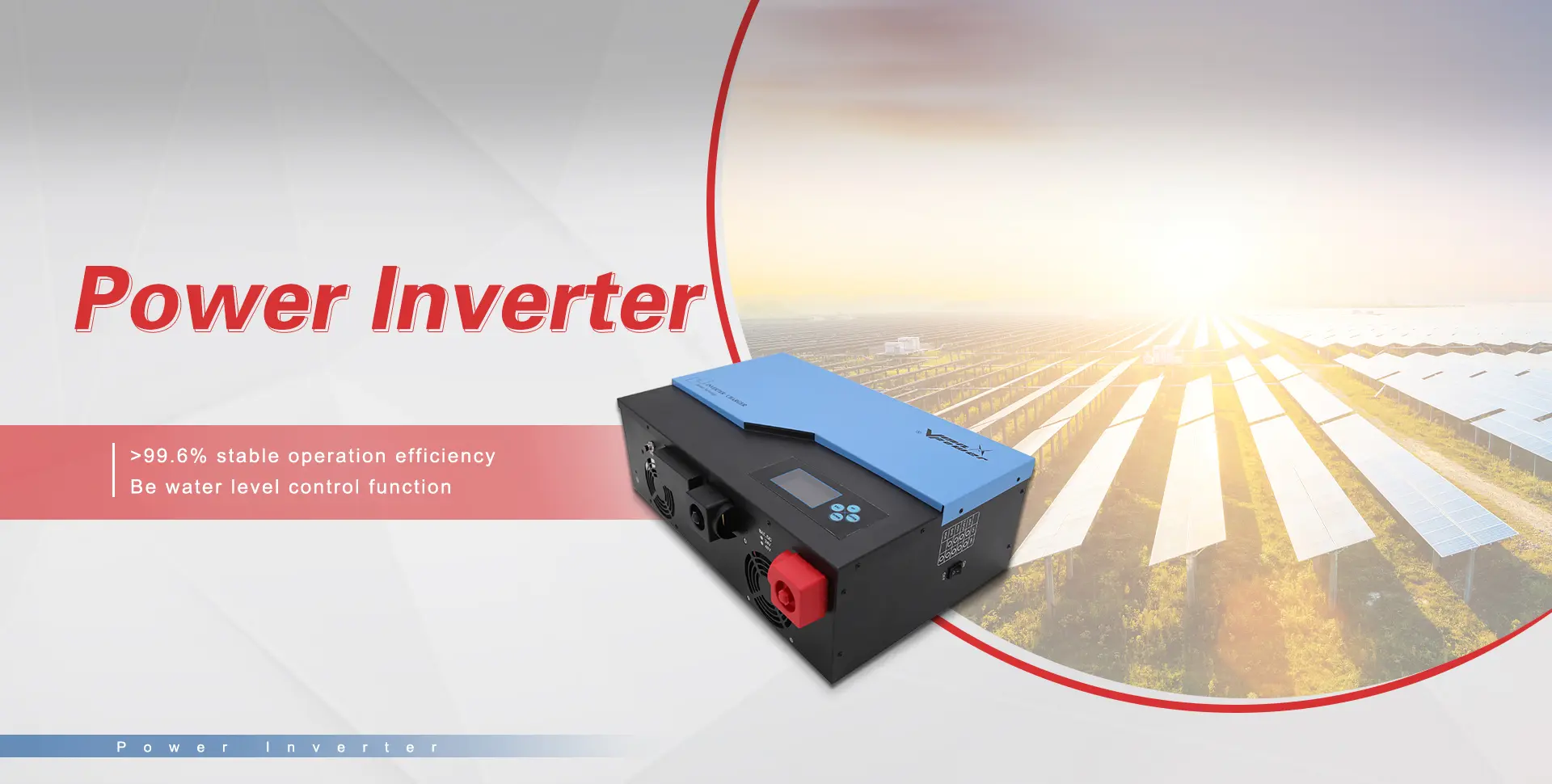
High-efficiency DC-AC power converters offering clean sine-wave delivery, advanced thermal management, and durable industrial protection for commercial applications.
Explore Inverters
Smart bidirectional hybrid inverters designed for seamless solar battery integration, Austrian peak-shaving, dynamic self-consumption, and critical backup support.
Storage Solutions
Ultra-compact, lightweight transformerless inverters optimized for residential rooftop arrays and space-constrained installations with high conversion efficiency.
High-Freq Models
Autonomous photovoltaic generating packages designed for alpine huts, forest stations, and isolated agricultural locations requiring independent power.
Off-Grid Packages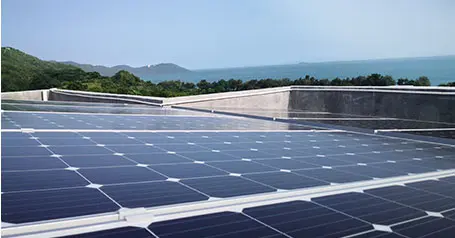
High-yield grid-tied systems featuring precision MPPT tracking, zero-export compliance capabilities, and rugged hardware for rooftop and ground setups.
On-Grid Systems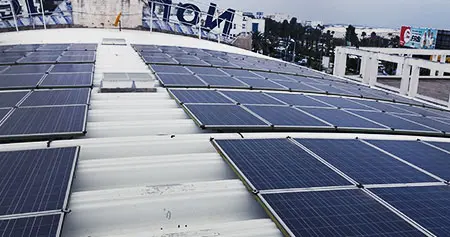
High-cycle LiFePO4 battery modules equipped with integrated BMS communication, over-discharge safety barriers, and modular high-voltage scalability.
Battery Systems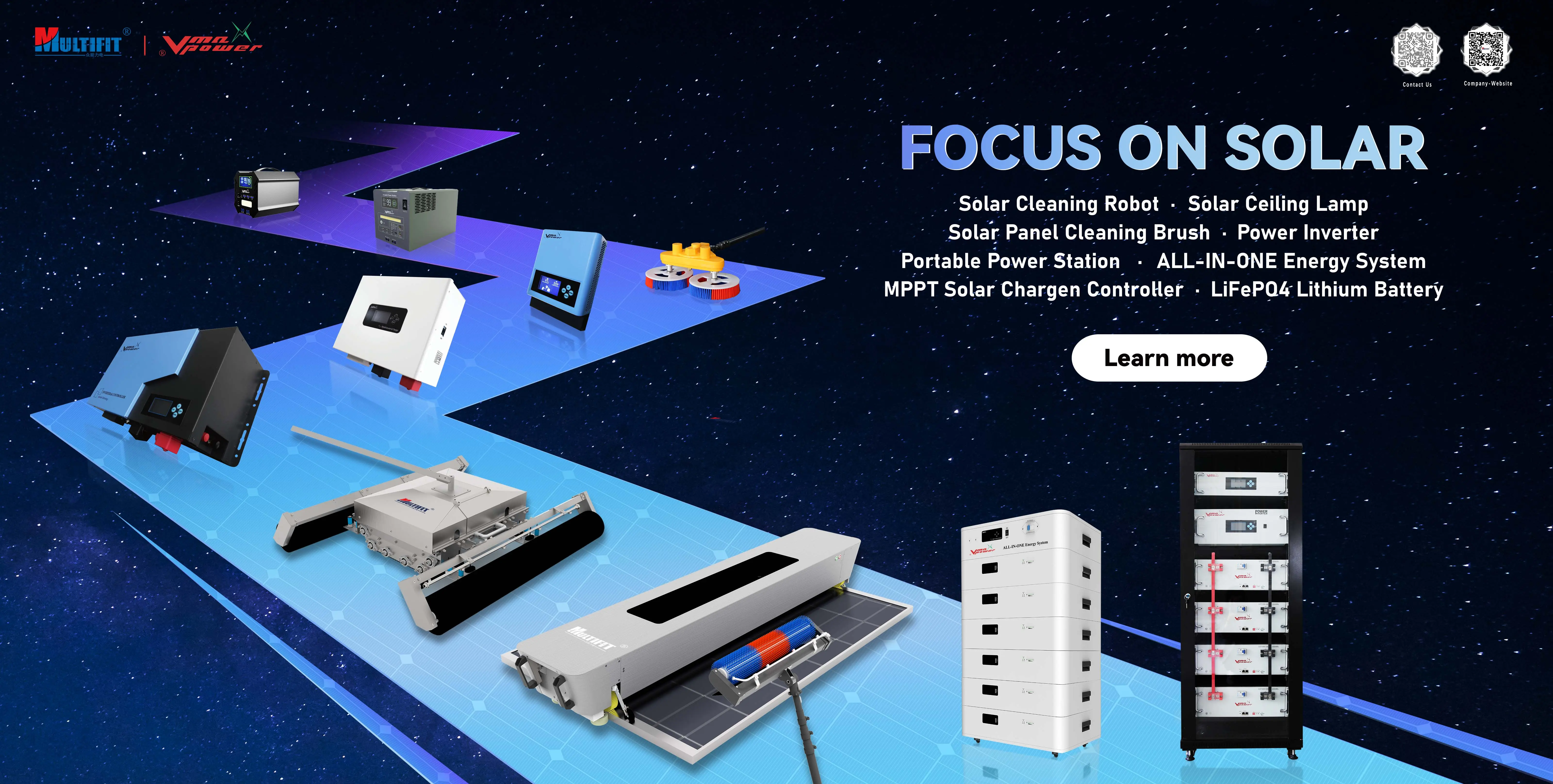
Integrated PV maintenance packages combining high-efficiency solar arrays with automated panel washing gear to ensure continuous, peak output.
Cleaning Systems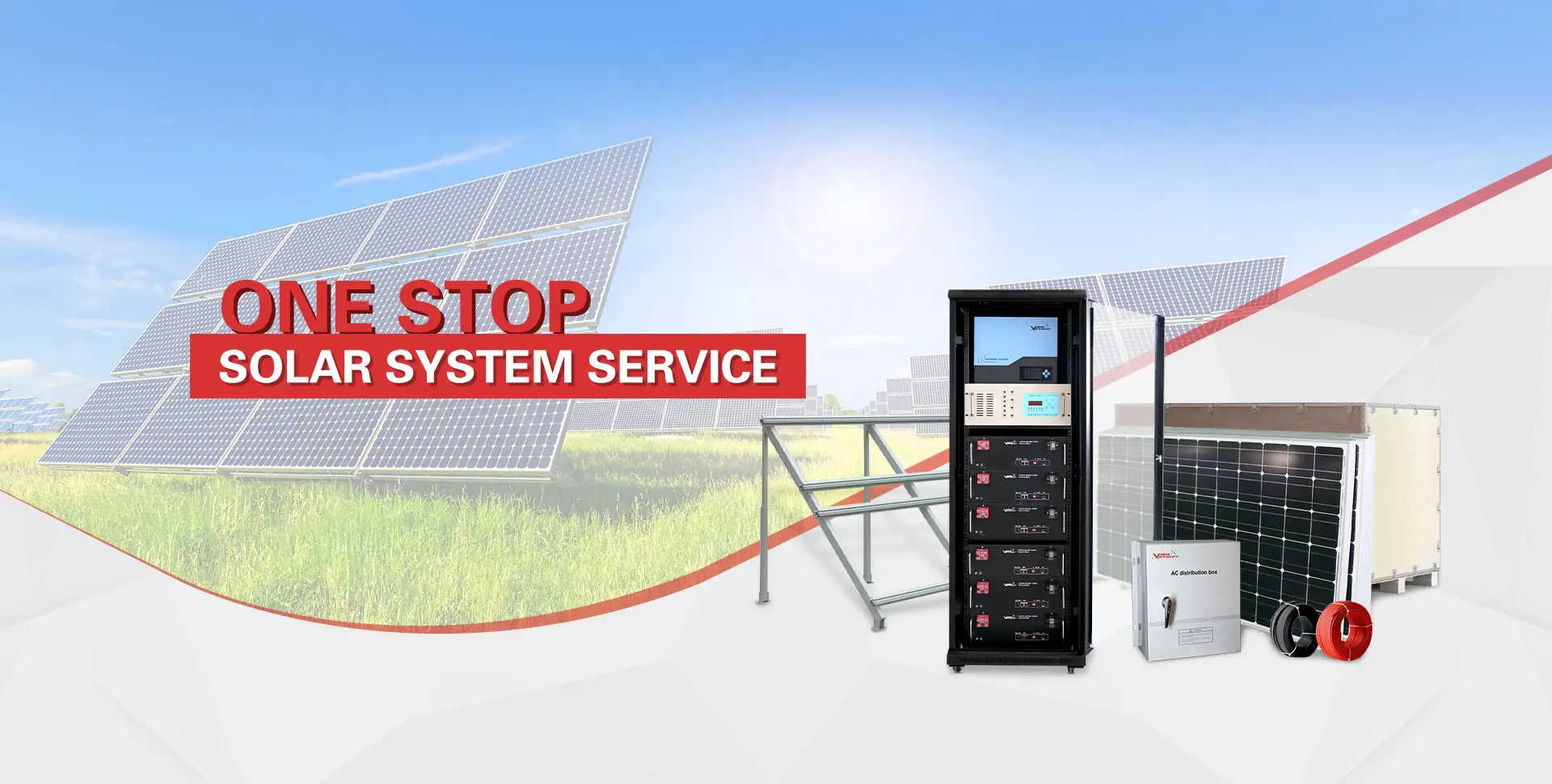
Advanced MPPT solar controllers delivering rapid tracking, robust lightning and transient protection, and maximum harvesting during diffuse cloudy days.
MPPT ControllersExpert answers addressing the regulatory, hardware, and operational questions asked most frequently by European engineers and EPC procurement directors.
Whether you are engineering an off-grid alpine microgrid in Tyrol, designing agricultural peak-shaving storage in Upper Austria, or building a regional private-label inverter distribution brand—our engineers are ready to review your project specifications.