
Industrial Flagship
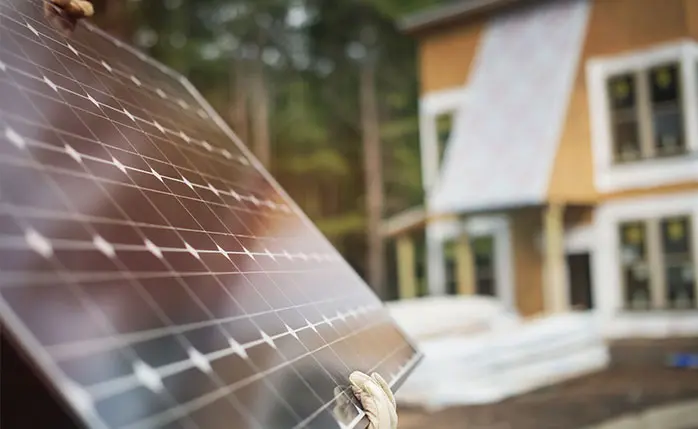
Solar Power Systems
Matched component packages spanning residential generation to commercial megawatt arrays with battery storage readiness.
Request QuotesExplore complete turnkey solutions and integrated systems built to ISO 9001 and CE/TUV international industrial standards for global project contracting.
Matched component packages spanning residential generation to commercial megawatt arrays with battery storage readiness.
Request Quotes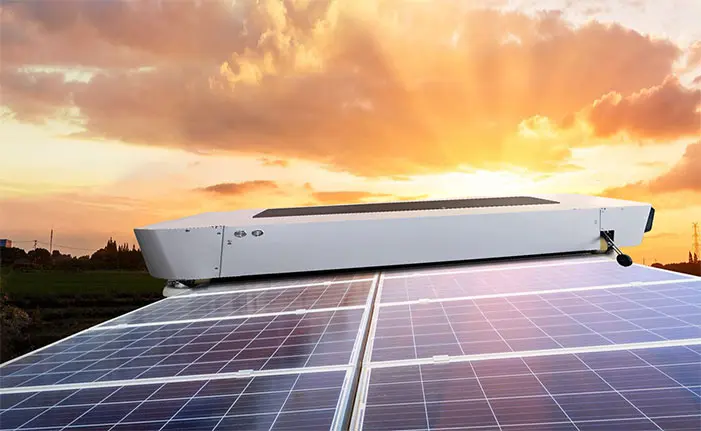
Automated crawler robots preventing soiling derating on large rooftop installations, ground mounts, and desert solar farms.
Explore Models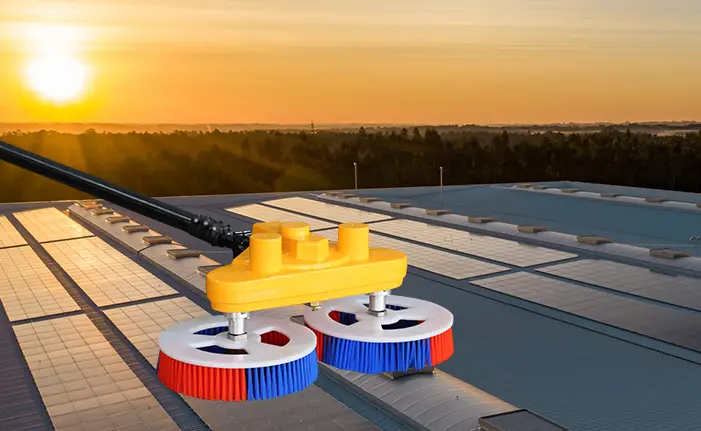
Double-headed high-torque motorized brushes delivering rapid dust and debris removal for mid-scale photovoltaic plants.
View Pricelist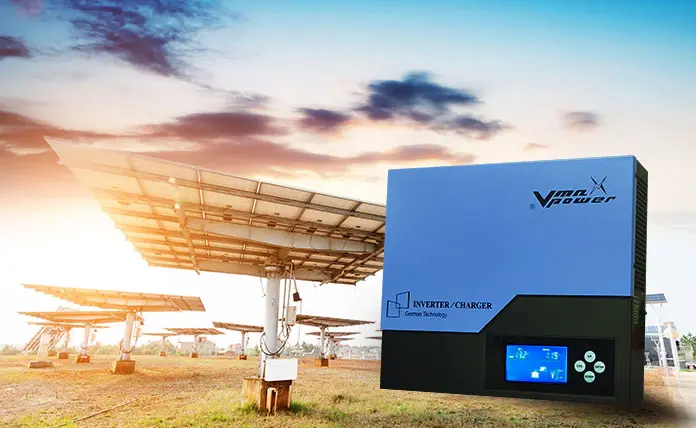
Built with robust toroidal transformers, 32-bit CPU architectures, and triple-peak surge handling for demanding site loads.
Inverter Specs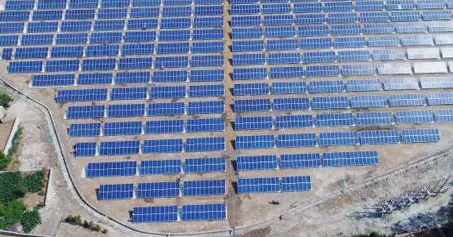
Bidirectional microgrid management with millisecond uninterruptible power supply switching and smart peak shaving capabilities.
Supplier Matrix
Ultra-reliable lithium iron phosphate and deep-cycle lead systems engineered for 6,000+ full discharge life cycles.
Battery Quotes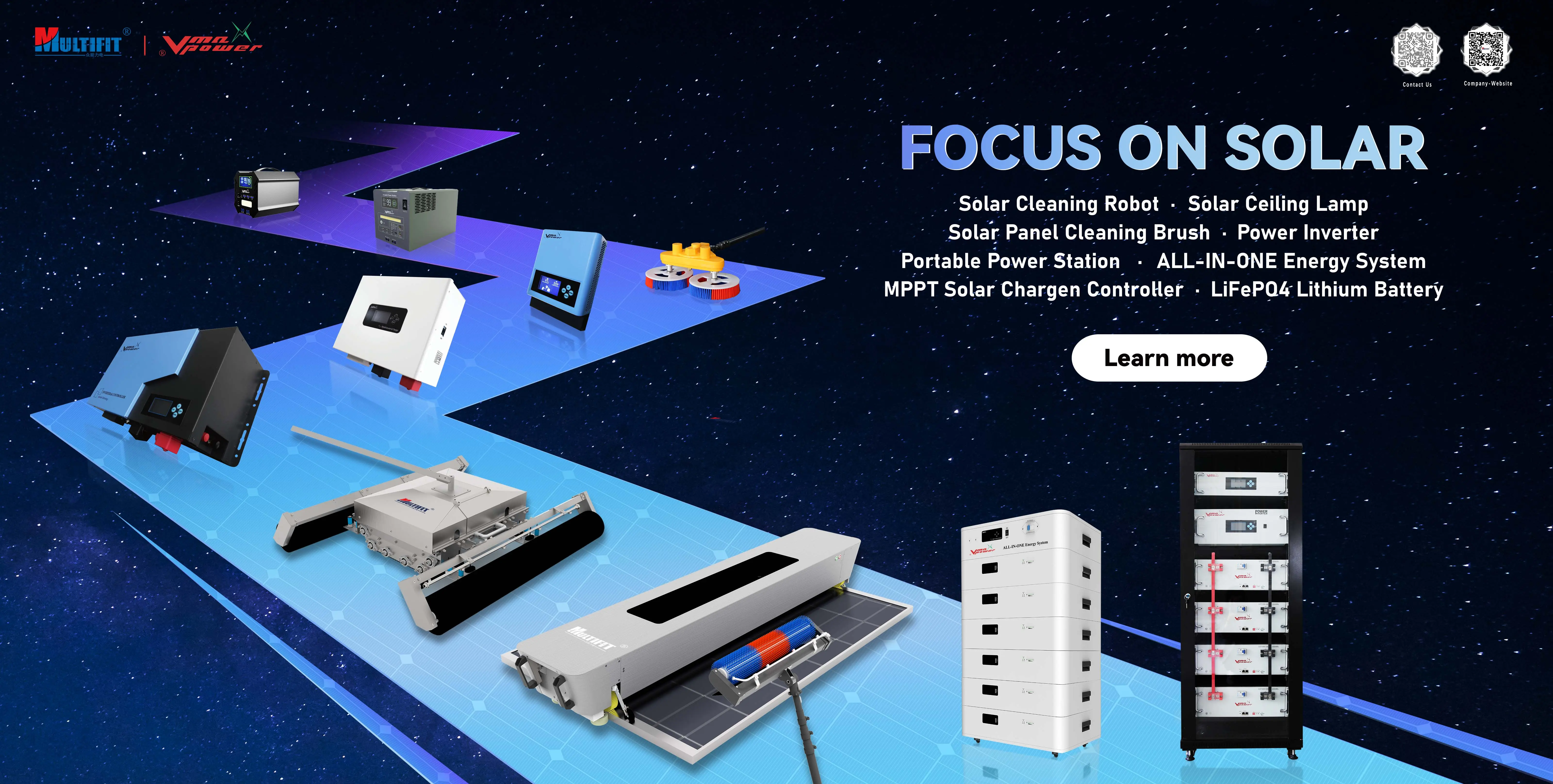
Comprehensive turnkey utility packages pairing high-yield crystalline solar modules with built-in robotic cleaning hardware.
Factory Quotes
Transformerless compact efficiency featuring wide dual MPPT operating voltage channels and remote cloud telemetry.
Check PricelistAn in-depth analysis of vertical manufacturing integration, raw material cost efficiency, and automated testing standards from Beijing to the world.
From metallurgical grade silicon processing to die-cast aluminum anodization (ADC12) and surface-mount chip placement, Chinese manufacturing clusters eliminate cross-tier supplier markups, yielding 25–40% lower capital costs compared to non-integrated assembly plants.
Modern production facilities leverage automated high-speed SMT assembly lines, achieving LED chip placement with precision down to ±0.02mm. Proprietary PC optical lenses with Batwing 70°×140° distribution are fabricated under ISO-cleanroom conditions, ensuring minimal optical distortion.
Leading manufacturers like Beijing Multifit Electrical Technology validate every luminaire model inside environmental chambers, subjecting enclosures to IP68 water immersion, IK10 mechanical impact, 1,000-hour neutral salt spray (ASTM B117), and cyclic thermal shock from -40°C to +85°C.
Deployment parameters and hardware configurations calibrated for municipal, regional, and extreme climate applications.
Dual-lane highways require split-type solar street lamps utilizing 150W–200W luminaire heads producing 24,000–32,000 lumens. Paired with 360W mono-PERC bifacial panels and buried IP68 gel or LiFePO4 battery boxes, these ensure class-M1 road luminance uniformity without grid trenching.
All-in-One (Integrated) 40W–60W solar LED fixtures deliver optimal cost-performance for secondary access roads and pedestrian greenways. Integrated microwave radar dimming maintains 30% background lumen output, ramping to 100% upon vehicle or pedestrian detection to maximize battery runtimes.
Harsh sea salt atmospheres require die-cast aluminum alloys treated with fluorocarbon anti-corrosion coatings (C5-M rating). Luminaires utilize Grade 316 stainless steel fasteners, hermetic silicon seals, and hydrophobic glass coatings preventing salt encrustation and output degradation.
Heavy machinery depots, refineries, and container yards demand explosion-proof, high-lux flood lighting. Systems combine wide-angle asymmetric optics with intelligent programmable MPPT controllers providing constant 14-hour illumination across harsh 365-day operation cycles.
Direct component matrix comparing Integrated All-in-One, Split-Type Industrial, and Smart IoT Hybrid street lighting systems.
| Performance Parameter | All-in-One Integrated Solar Street Lamp | Two-in-One / Semi-Split System | Fully Split High-Mast Industrial System | Smart IoT Hybrid Municipal System |
|---|---|---|---|---|
| Nominal Power Range | 20W – 80W LED | 60W – 120W LED | 100W – 250W LED | 120W – 300W LED |
| Luminous Efficacy | 160 – 180 lm/W (Bridgelux/Epistar) | 170 – 190 lm/W (Philips/Cree) | 190 – 210 lm/W (Lumileds 5050) | 200 – 220 lm/W (Ultra-spec 5050) |
| PV Module Chemistry | Integrated Monocrystalline (18-21%) | Top-Mounted Mono Perc (21.5%) | Independent Multi-angle Dual Mono (22.5%) | N-Type TOPCon Dual-Glass (23.2%) |
| Battery Chemistry & Life | LiFePO4 (2,000 cycles @ 80% DoD) | LiFePO4 (3,500 cycles @ 80% DoD) | Deep-Cycle LiFePO4 (5,000+ cycles) | Grade-A Automotive LiFePO4 (6,000 cycles) |
| Autonomy Days (Rain/Snow) | 3 – 4 Days Autonomy | 4 – 5 Days Autonomy | 5 – 7 Continuous Days | 7 Days + Grid Hybrid Auto-Switch |
| IoT Telemetry Protocol | IR Remote / Optional Bluetooth | Zigbee / LoRaWAN Optional | LoRaWAN / 4G LTE Cat-1 Integrated | NB-IoT / 4G Dual Cloud Management |
| Recommended Pole Height | 4m – 6m Mounting | 6m – 8m Mounting | 8m – 12m Heavy Mast | 10m – 14m Smart City Pole |
Standard FOB export price points based on batch volume quantities, Grade-A battery cells, and high-efficiency LED modules.
Engineered for perimeter security, rural township access lanes, public parks, and agricultural pathways.
Standard selection for city secondary roadways, commercial industrial zones, university campuses, and logistics parks.
Heavy split system with external bifacial solar panel mount, extended autonomy, and remote IoT communication hub.
Key evolutionary vectors shaping the next decade of autonomous municipal lighting and microgrid-connected street furniture.
Next-generation luminaires are migrating toward N-Type TOPCon and Heterojunction (HJT) cells with 24%+ conversion efficiency and superior temperature coefficients (-0.30%/°C). This allows reduced solar panel physical surface area while improving power harvest in high-heat desert and tropical environments.
By integrating micro-radar sensors with edge-computing microcontrollers, modern street lighting infrastructure transitions from static timers to dynamic, real-time demand lighting. Light nodes automatically coordinate group illumination waves across roadway segments as vehicles approach.
While LiFePO4 dominates present production, sodium-ion battery chemistry is entering field testing for sub-zero climates (-30°C to -40°C) without requiring auxiliary heating strips. This development significantly lowers deployment risk across Nordic and high-latitude road networks.
Founded in 2009 in the Beijing Economic & Technological Development Zone, delivering direct OEM/ODM engineering across 80+ nations.
Every manufacturing stage adheres strictly to standardized industrial operating procedures, full trace-back production lot verification, and certified environmental management practices.
Our street lamps, inverters, and battery storage solutions meet stringent European and international low-voltage and electromagnetic compatibility safety directives.
From custom pole wind-load calculations to matched PV panel framing, battery sizing, and intelligent system software, our engineering group eliminates installer integration friction.
Direct answers from our senior engineering division addressing sizing, customs, testing, and system lifespan.
Battery Capacity (Wh) = [Luminaire Power (W) × Daily Operating Hours] × Autonomy Days ÷ Maximum Depth of Discharge (DoD). For instance, an 80W luminaire running 12 hours (960Wh/day) with 3 autonomy days on a LiFePO4 battery (90% usable DoD) requires a minimum 3,200Wh energy bank paired with an appropriately sized 300W–350W solar module to recover capacity in standard winter solar conditions.
Explore our specialized luminaires, high-capacity arrays, and integrated grid infrastructure systems.
Wide-area stadium, perimeter, and warehouse architectural lighting with high-performance optical reflectors.
View Flood Lights
Architectural luminaires for parks, residential courtyards, commercial plazas, and hospitality walkways.
View Garden Lights
Streamlined All-in-One street luminaires featuring high-rate PIR motion detection and intelligent battery balancing.
Get Factory Quotes
Standard and semi-split solar lighting hardware optimized for rural infrastructure electrification.
Explore Catalog
Tier-1 high-density monocrystalline and bifacial PV modules with multi-busbar technology for maximum solar harvest.
Check Panel Prices
A broad array of PV balance-of-system accessories, connectors, distribution combiner boxes, and monitoring hardware.
Request Catalog
Fully independent standalone photovoltaic microgrids providing round-the-clock power in non-electrified regions.
Off-Grid Solutions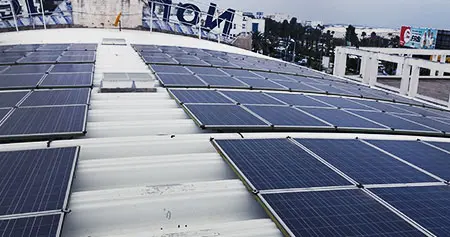
Commercial and utility-tied systems featuring bidirectional smart net metering and zero-export control modes.
Supplier QuotesUnderstanding the interplay between sub-systems ensures maximum ROI, extended battery lifespans, and zero road downtime.
Utilizes ultra-efficient crystalline silicon conversion cells protected by 3.2mm anti-reflective ARC tempered glass, maintaining >80% power generation across 25 years.
Advanced digital maximum power point tracking operating with >99% efficiency, auto-adjusting light curves, PWM dimming, and battery charge protocols.
Deep-cycle LiFePO4 cells integrated with hardware-software dual protection BMS modules, preventing overcharge, excessive discharge, and internal cell drift.
High-efficacy 5050/3030 chip clusters bonded to copper-core metal PCB substrates for low thermal junction resistance and 100,000-hour L70 life expectancy.
Preventative cleaning technology for high-soiling and sand-prone environments, protecting against power derating and hot-spot risks.
Send your geographic coordinates, road cross-section dimensions, pole height specifications, and target lux parameters. Our application engineering department provides complete DIALux simulations, bills of materials (BOM), and certified factory quotations within 24 business hours.