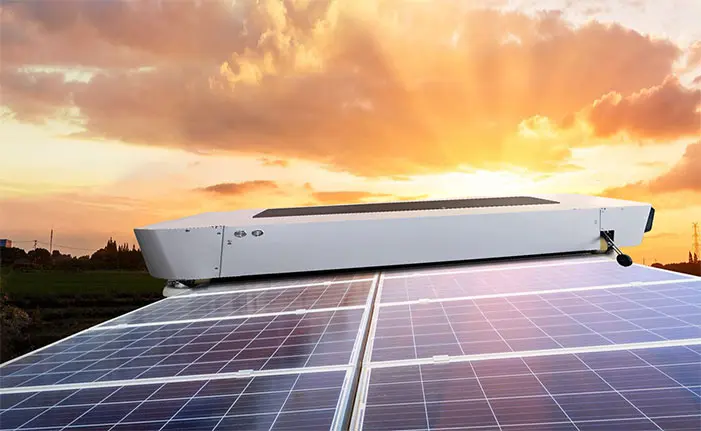
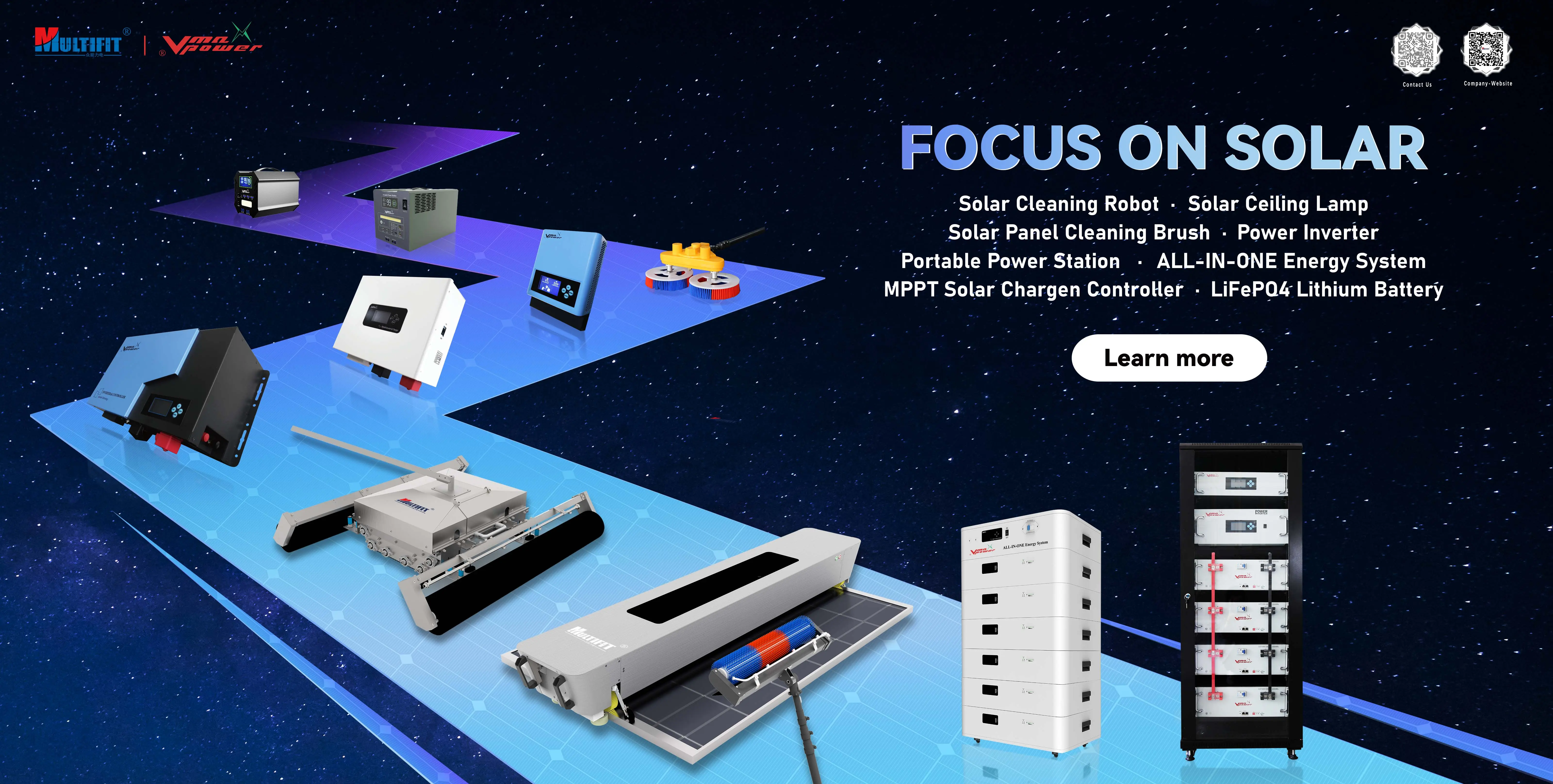
Direct-from-manufacturer solar battery banks, bidirectional hybrid inverters, intelligent controllers, and automated solar panel maintenance solutions designed for maximum operational yields.
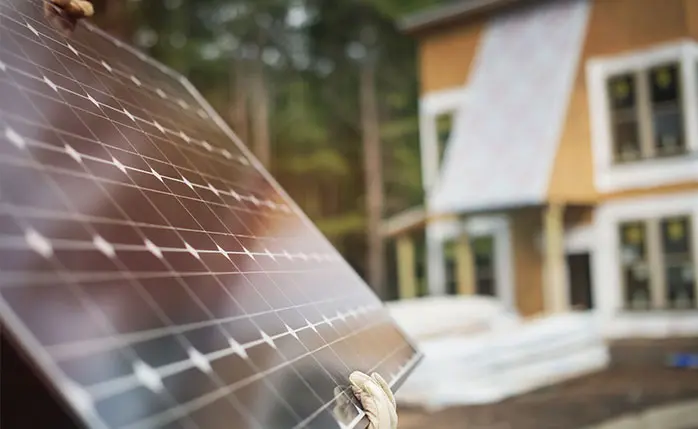
Ultra-safe LiFePO4 wall-mount and rack energy storage, delivering 6000+ deep cycles, modular parallel scalability up to 160kWh, and smart BMS CAN/RS485 telemetry.
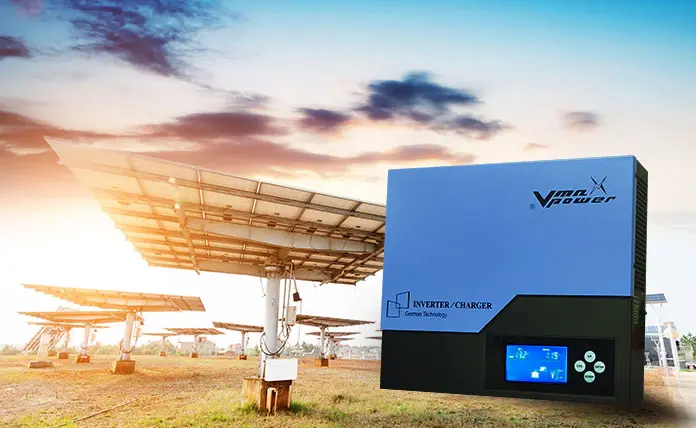
Bidirectional storage inverters equipped with sub-10ms microgrid transfer, dynamic peak-shaving logic, and universal low-voltage battery matching.
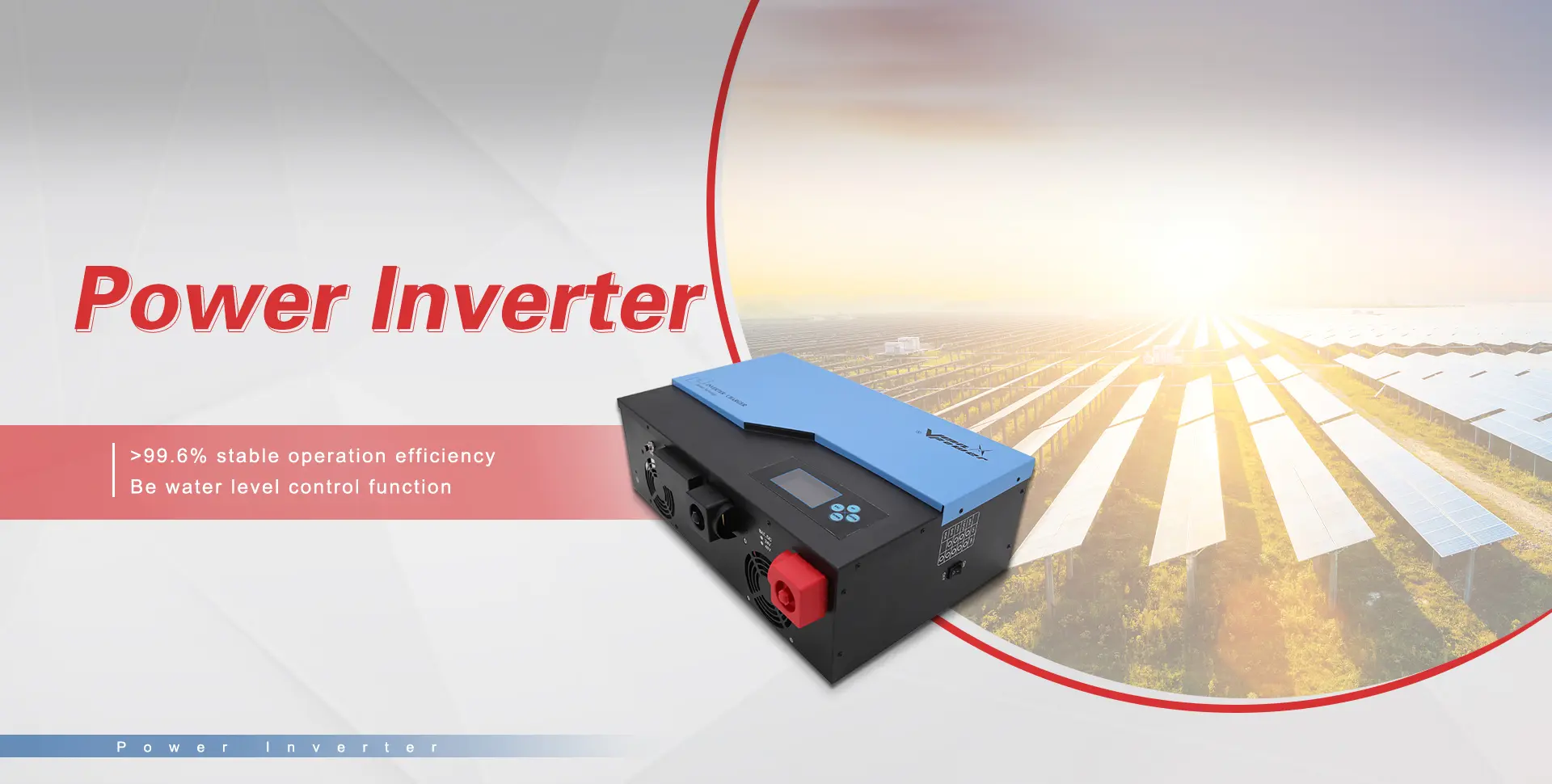
Heavy-duty pure sine wave inverters featuring toroidal copper transformers engineered for harsh industrial inductive surges and unyielding 300% load peak capability.
Ultra-compact transformerless topology delivering 98%+ peak electrical efficiency, integrated MPPT trackers, and integrated smart Wi-Fi monitoring modules.
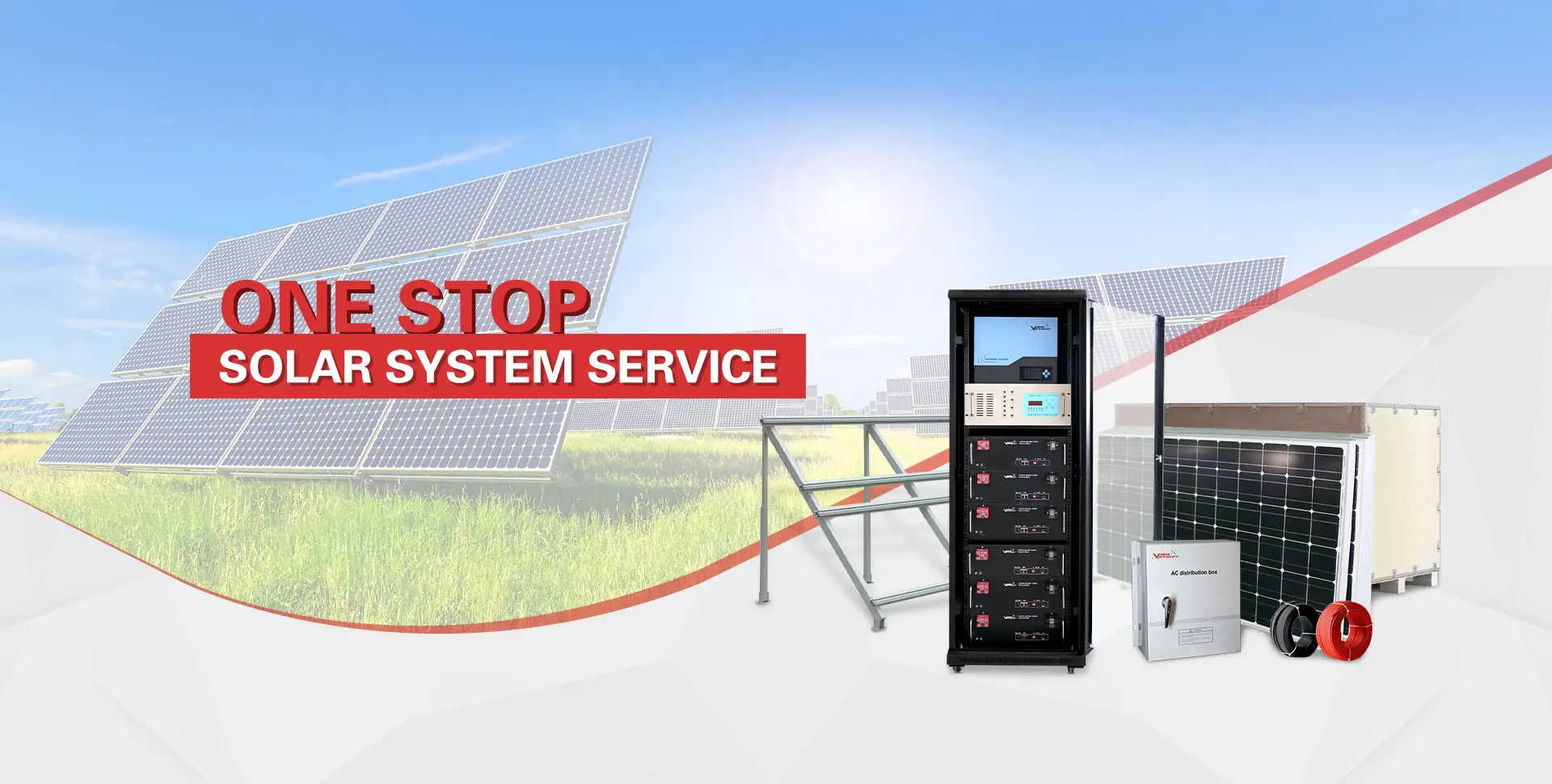
End-to-end engineered residential and commercial PV packages pre-matched at factory level to eradicate commissioning failure and simplify EPC procurement.
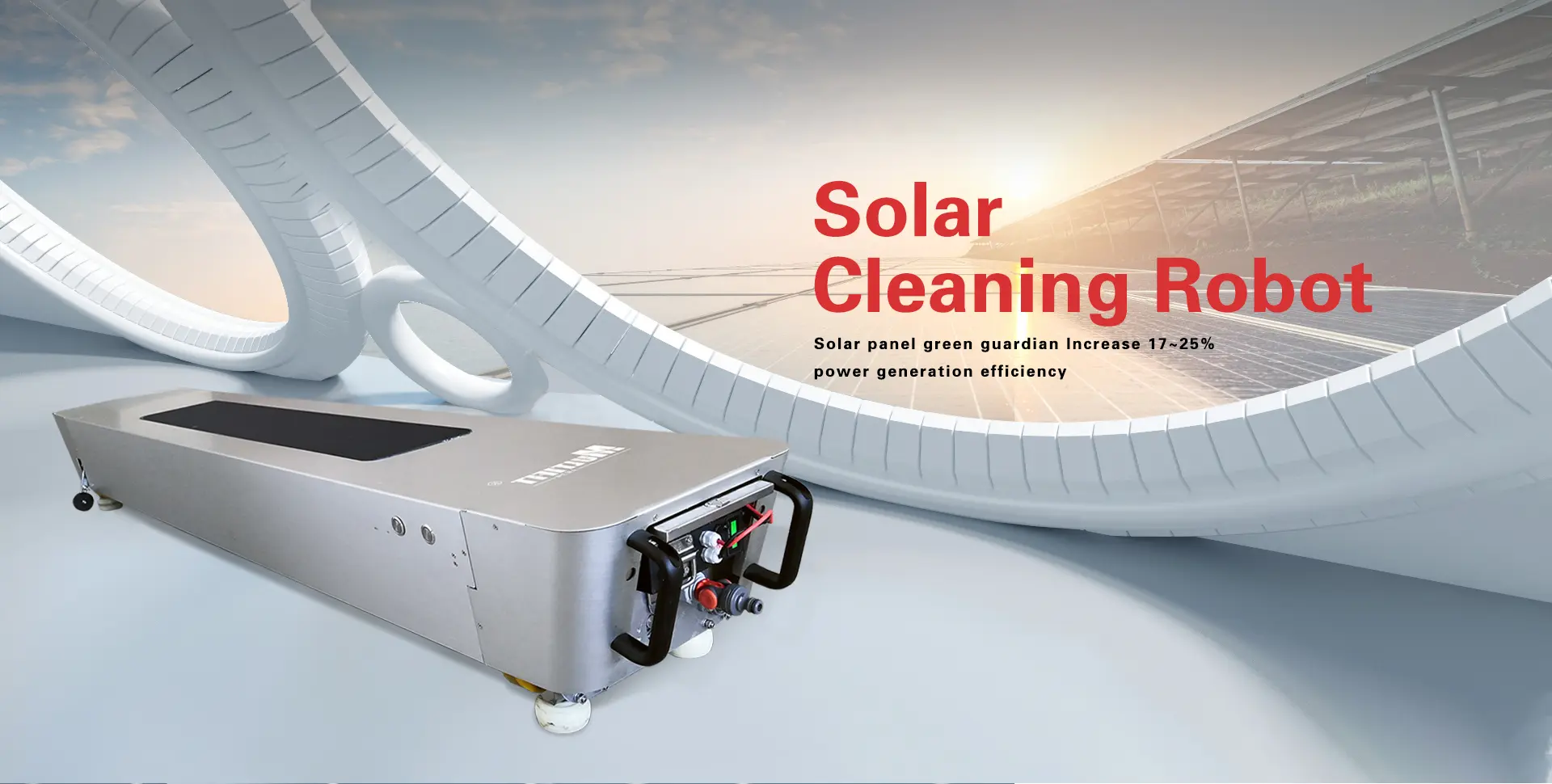
Autonomous crawler robots removing dust, sand, and organic soiling from PV arrays, restoring up to 25% energy losses across large C&I rooftop installations.
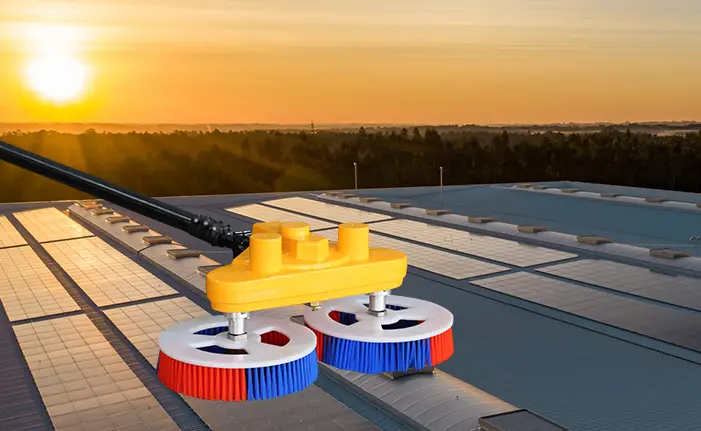
Telescopic double-headed rotary cleaning machines engineered for fast, water-efficient washing of residential rooftop and ground-mount arrays.

Ultra-fast MPPT tracking controllers boosting harvesting efficiency by 30% compared to PWM units, offering 12V/24V/48V auto-recognition for DC systems.
A transparent deconstruction of factory-direct Powerwall pricing, cell grade stratification, and levelized cost of storage (LCOS) optimization for Tier-1 procurement.
In the contemporary energy transition landscape, evaluating the wholesale Powerwall price requires an engineering analysis far beyond retail MSRP figures. Factory-direct procurement requires deep visibility into raw material volatility, cell chemistry differentiation, Battery Management System (BMS) multi-layer protection, and manufacturing automation. As a listed clean-tech manufacturer (equity code 280768) founded in 2009 in the Beijing Economic & Technological Development Zone, Beijing Multifit Electrical Technology Co., Ltd. (VMAX POWER) operates direct cell-to-pack (CTP) assembly facilities that eliminate intermediary trading margins, providing global distributors and EPC contractors with predictable, factory-audited manufacturing economics.
Total Lifetime Cost ÷ Total Cumulative Energy Output (MWh) is governed primarily by cycle life degradation curves, thermal equilibrium, and parasitic standby losses.
While consumer-grade high-nickel chemistries (such as NMC) were historically adopted for residential form factors to minimize volumetric footprint, modern commercial and industrial stationary storage has consolidated around automotive-grade Lithium Iron Phosphate (LiFePO4 / LFP) prismatic cells. LFP's intrinsic olivine crystal structure provides elevated thermal runaway thresholds (>270°C vs. ~150°C for NMC), negligible oxygen release during cell rupture, and superior electrochemical stability across deep discharge cycling (0.5C to 1C continuous rates).
Our automated production facilities utilize matched 3.2V 100Ah, 206Ah, and 280Ah prismatic aluminum-shell cells sourced from audited Tier-1 supply lines. Prior to pack assembly, every batch undergoes automated internal resistance (ACIR/DCIR) grading, four-point capacity classification, and dynamic open-circuit voltage (OCV) sorting within micro-tolerances. This rigorous cell matching suppresses state-of-charge (SoC) divergence over thousands of operational cycles, preventing early BMS cutoff and capacity strangulation.
| System Parameter | Standard Wholesale Powerwall (VMAX POWER) | Conventional Commercial Tier-2 Assembly | Lead-Carbon / AGM Legacy Units |
|---|---|---|---|
| Cell Chemistry & Form | Prismatic Grade-A LiFePO4 / Laser-Welded Busbars | Refurbished / B-Grade Cylindrical or Pouch LFP | Absorbent Glass Mat (AGM) / Lead-Carbon |
| Usable Depth of Discharge (DoD) | 90% – 95% without rapid accelerated degradation | 70% – 80% with noticeable capacity step-down | 50% maximum usable capacity window |
| Cycle Life Expectancy | 6,000 to 8,000 cycles @ 25°C, 0.5C rate | 2,000 to 3,500 cycles | 800 to 1,500 cycles |
| BMS Communications & Safety | Active Balancing, Dual MCU, CAN/RS485/Modbus | Passive bleed resistor, basic hardware cutoff | None (Requires external analog voltage sensing) |
| Factory Direct Price ($/kWh) | Highly Competitive Wholesale Direct Matrix | Marginally Lower Initial / High RMA Failure Cost | High Initial Weight / Disastrous 3-Year LCOS |
How localized market dynamics, tariff arbitrage, and unstable distribution grids dictate storage capacity sizing and return on investment globally.
In deregulated energy markets with dynamic Time-of-Use (ToU) tariffs and negative wholesale pricing events, Powerwall systems serve as automated economic dispatch assets. Controlled via intelligent inverter schedules, units discharge during peak evening tariff spikes and recharge during low or negative cost solar production windows.
Developing energy markets face frequent rotational brownouts, sub-frequency voltage sags, and prolonged blackouts. Paired with heavy-duty low-frequency toroidal transformer inverters, VMAX POWER batteries buffer high surge inrush currents from cold-storage compressors, deep-well borehole pumps, and processing equipment.
Off-grid mining concessions, eco-resorts, and remote agricultural communities operate closed-loop microgrids where stable frequency regulation is mandatory. Multi-pack Powerwall arrays operate in conjunction with solar cleaning robots to maximize generation even under intense dust and arid atmospheric conditions.
Balancing low-frequency toroidal transformer robustness against high-frequency transformerless efficiency for matched reliability.
For applications where commercial facilities operate heavy inductive motors, refrigeration units, or HVAC systems, selecting a Low Frequency Inverter is critical. Our patented toroidal transformer design uses high-permeability grain-oriented silicon steel cores with 100% pure copper windings.
Unlike fragile semiconductor-only switching stages, toroidal low-frequency transformers act as galvanic isolation barriers and inductive energy reservoirs. They absorb voltage spikes, lightning transients, and back-EMF feedback from motors up to 300% of nominal rating for 20 continuous seconds without component degradation.
When engineering residential solar carports, suburban dwellings, and lightweight commercial rooftop arrays, our High Frequency Inverter lineup excels. By eliminating large iron transformers in favor of planar ferrite high-frequency switching topologies, weight is reduced by 65%.
Integrated with high-speed 32-bit DSP controllers and dual independent MPPT channels, these inverters deliver conversion efficiencies of 98.4%. When coupled with our Energy Storage Inverter architecture, response latencies under power loss situations drop below 8 milliseconds, ensuring uninterruptible server and telecom runtime.
Eliminating PV array dust and particulate soiling to sustain high-rate charging current and protect battery cycling economics.
An under-analyzed point of failure in renewable storage installations is photovoltaic soiling degradation. In desert regions, agricultural basins, industrial corridors, and coastal sites, airborne dust, cement powder, pollen, and bird droppings accumulate rapidly. Research demonstrates that uncleaned solar modules can suffer 15% to 35% generational output losses within 30 days of dry exposure.
If the solar generation curve cannot achieve the constant-current (CC) charging threshold demanded by a multi-pack Powerwall configuration, the battery spends prolonged intervals in partial states of charge. This induces parasitic micro-cycling and forces reliance on expensive utility grid top-ups or diesel generator runtimes.
Beijing Multifit's autonomous Solar Cleaning Robot and lightweight Automatic Clean Brush series provide the hardware complement needed to sustain maximum battery charging currents across the asset lifecycle.
Audited manufacturing lines, verified international standards, and Dangerous Goods (DG) Class 9 logistics clearance.
All VMAX POWER storage enclosures, hybrid inverters, and cleaning assemblies conform strictly to worldwide interconnect and safety standards:
Exporting lithium batteries across international borders requires rigorous hazmat compliance to avert port quarantine and carrier rejection:
Distributors and project developers seeking to build local brand equity can leverage our turnkey white-label capabilities directly from the manufacturing floor:
Proven engineering architectures implemented across residential, agricultural, and commercial environments globally.
Deployed on residential properties across Western Europe and Australia. Incorporates high-efficiency monocrystalline solar panels, a hybrid high-frequency storage inverter, and wall-mounted Powerwall batteries to achieve 85% grid autonomy.
Engineered for desert agricultural pump irrigation and island resorts without utility grid lines. Employs low-frequency toroidal transformer inverters capable of enduring 3x water pump startup surges, backed by parallel battery cabinets.
Installed on a color-steel industrial workshop roof. Paired with autonomous robotic cleaners to clear cement and coal dust accumulations, maintaining sustained high current to support heavy machinery and peak-shaving storage.
Forward-looking electrochemical storage architectures and smart grid interoperability protocols engineered by Beijing Multifit.
To hedge against global lithium carbonate pricing swings, our R&D laboratory is actively validating commercial sodium-ion cell configurations. Sodium chemistries provide exceptional sub-zero performance (discharging at -30°C with >85% retention) and zero thermal runaway risks during deep air shipping discharge states, ideal for arctic and cold-climate off-grid deployments.
While low-voltage (48V/51.2V) Powerwalls remain the gold standard for residential safety and ease of DIY installation, high-voltage battery racks operating from 200V up to 800V DC are leading commercial adoption. HV systems drastically reduce cable thickness, slash copper I²R conduction losses by up to 85%, and interface directly with high-power industrial microgrids.
Our upcoming generation of BMS telemetry shifts from reactive threshold monitoring to predictive failure modeling. Using neural network micro-models hosted at the edge, internal dendrite growth, microscopic gas generation, and localized thermal micro-gradients are detected weeks before traditional voltage trip points, averting system damage.
Direct answers to the critical engineering, shipping, and warranty questions asked by global distributors and EPC contractors.
Explore our full-scope renewable equipment portfolio, from turn-key off-grid and on-grid solar arrays to high-efficiency solar lighting.
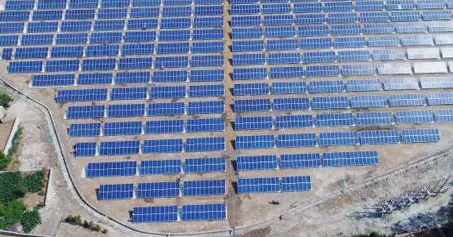
Autonomous off-grid power solutions integrating high-efficiency solar arrays, battery banks, and surge-capable inverters for remote communities.
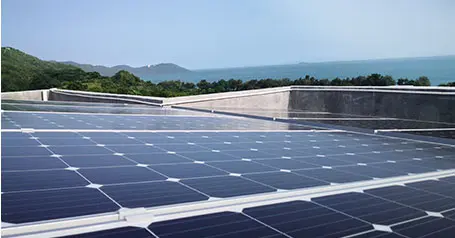
Commercial and residential grid-tied systems designed for rapid payback, net metering compliance, and seamless anti-islanding utility safety.
Integrated cleaning hardware and maintenance solutions ensuring large commercial rooftop installations maintain peak energy capture.
Comprehensive inverter production lines supporting DC-AC conversion across residential, marine, telecom, and industrial microgrids.
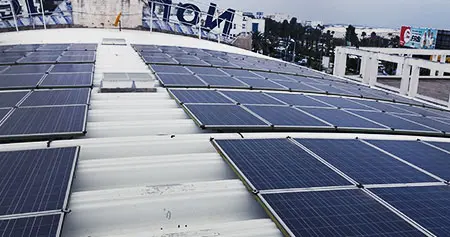
Tier-1 high-efficiency monocrystalline solar panels, half-cut cell technology, and anti-PID architecture engineered for prolonged outdoor durability.
Heavy-duty outdoor commercial solar flood lights with die-cast aluminum housing, high lumen output, and intelligent motion detection.

Architectural landscape solar lights featuring built-in LiFePO4 batteries, automated dusk-to-dawn sensors, and weather-resistant IP65 ratings.

All-in-one solar streetlights combining solar module, lithium storage, and smart controller in a single aerodynamic housing for municipal roadways.