
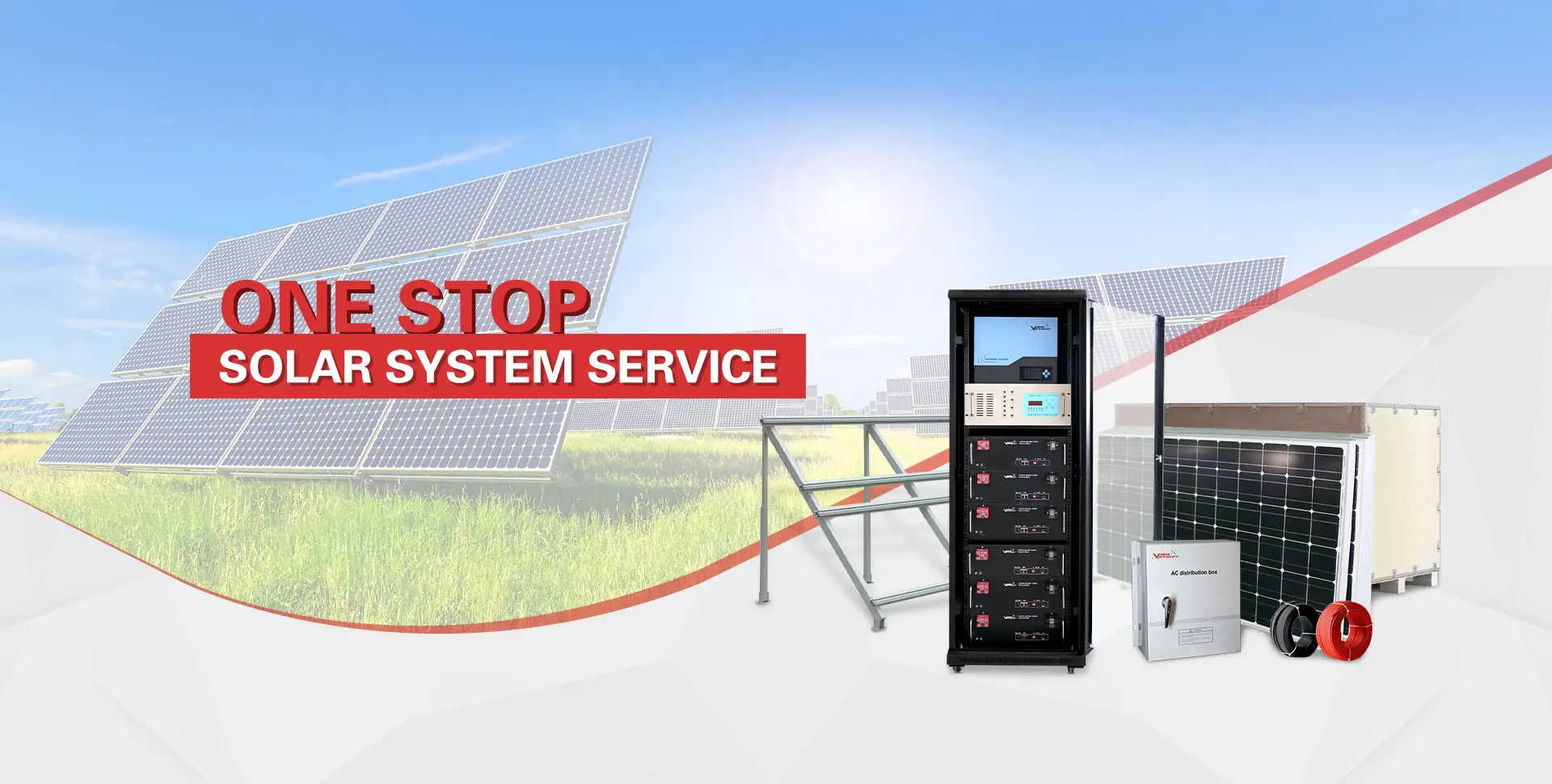
Turnkey energy storage hardware engineered and tested together: prismatic LiFePO4 cells, high-surge toroidal transformers, and multi-protocol battery management systems.
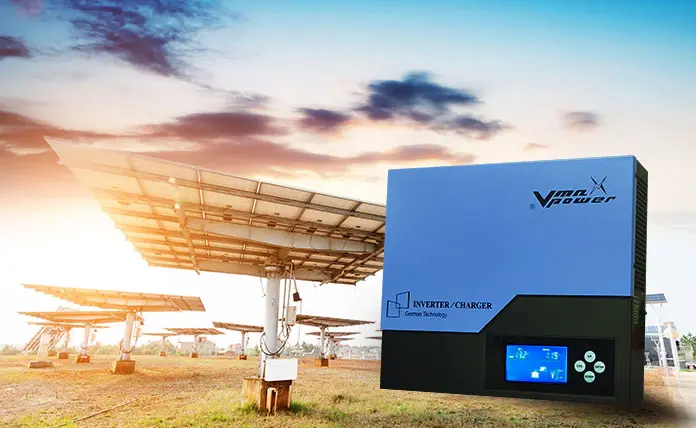

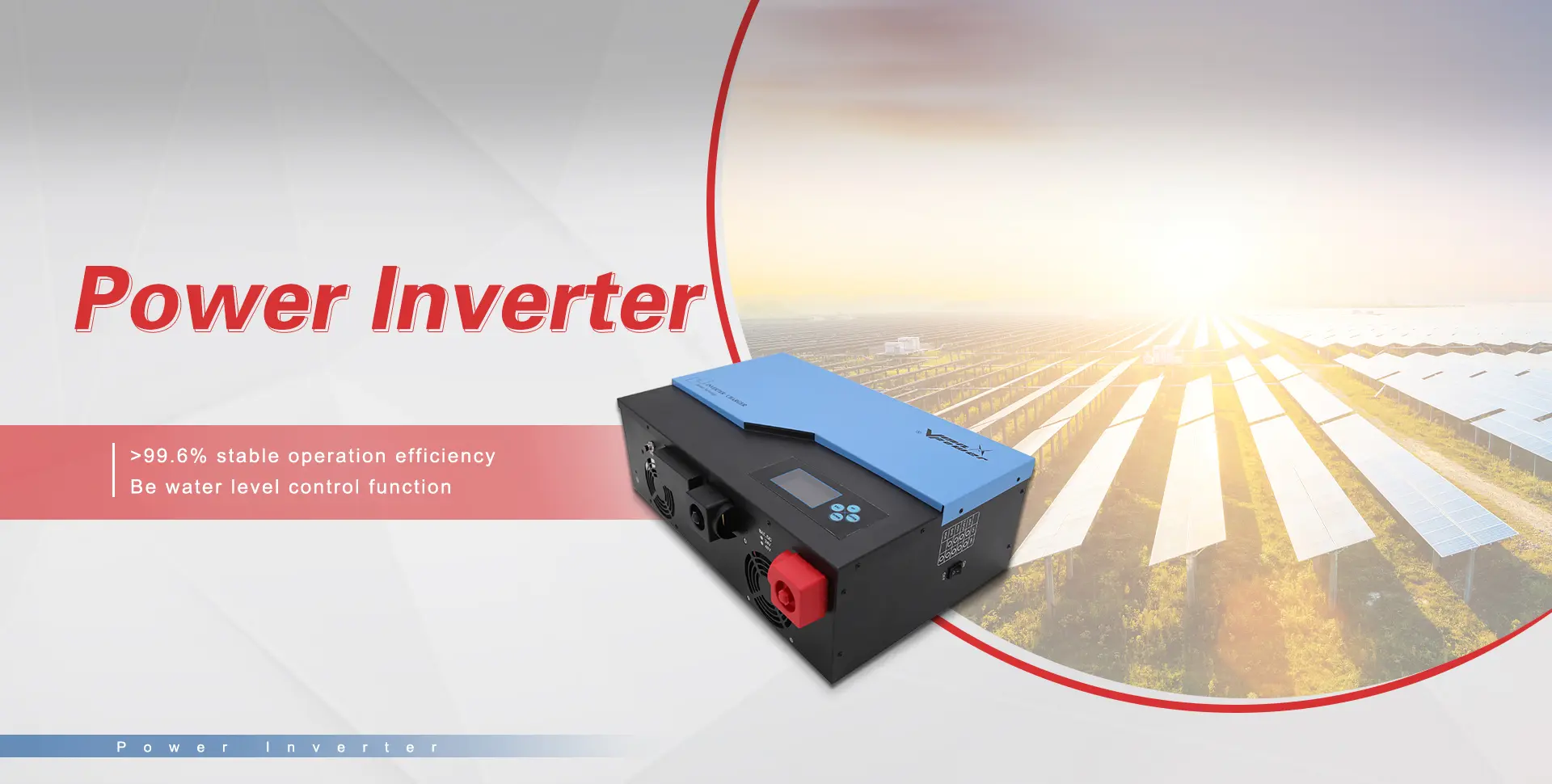
As variable renewable energy penetration surpasses critical thresholds across worldwide grids, Lithium Iron Phosphate (LiFePO4) has evolved from simple backup hardware into critical stabilizing infrastructure.
Wholesale lithium solar batteries allow utility operators and industrial facilities to store curtailed daytime generation and discharge during premium tariff windows, reducing demand charges and smoothing the duck curve.
Unlike NMC chemistries vulnerable to thermal runaway, Lithium Iron Phosphate (LiFePO4) exhibits intrinsic chemical stability up to 270°C, zero oxygen liberation under puncture, and non-toxic constituent materials compliant with RoHS.
Through prismatic grade-A cells engineered by Beijing Multifit, our BESS systems achieve sub-$0.06/kWh cycle metrics, outperforming traditional lead-acid equivalents by over 400% in long-term total cost of ownership (TCO).
From African off-grid microgrids to Nordic sub-zero residential carports, our battery configurations adapt precisely to environmental stressors.
Featuring active phase-change cooling fins and thermal throttling algorithms, Multifit battery modules operate continuously up to 55°C ambient temperatures without premature degradation in the Middle East and Saharan regions.
Integrated internal PTC heating films activate automatically during charging cycles in cold climates, preventing dangerous lithium plating below 0°C across North American and Northern European winters.
Conformal PCB coating and IP65 hermetically sealed enclosures protect our lithium racks from high-salinity air corrosion and marine condensation across Southeast Asian and Caribbean island resort installations.
Evaluate the technical metrics that separate factory-direct industrial LiFePO4 engineering from off-the-shelf trade products.
| Performance Specification | Multifit Tier-1 LiFePO4 | Standard Li-ion (NMC) | Traditional VRLA / AGM Lead-Acid |
|---|---|---|---|
| Cycle Life (@ 80% DoD, 25°C) | 6,000 – 8,000 Cycles | 1,500 – 2,500 Cycles | 500 – 800 Cycles |
| Usable Depth of Discharge (DoD) | 90% – 95% | 80% | 50% Maximum |
| Thermal Runaway Threshold | 270°C (Inherently Safe) | 150°C – 210°C (High Risk) | N/A (Hydrogen off-gassing risk) |
| BMS Communications | CAN / RS485 / Modbus RTU | Proprietary / Closed | None (Passive Analogue) |
| Expected Service Lifespan | 15+ Years | 5 – 8 Years | 2 – 3 Years |
Standardized 19-inch server rack battery enclosures designed for modular expansion up to 15 units in parallel without external combiner boxes.
Reduced DC transmission cable losses and enhanced round-trip efficiency (>96%) for commercial rooftop and factory load applications.
Future-proof master BMS architecture pre-calibrated to interface with emerging sodium-ion chemistry for extreme low-temperature resilience (-40°C).
Direct factory production backed by state-of-the-art SMT lines, automatic laser cell welding, and rigorous testing protocols for international certifications.
Compliant with CE, TUV, IEC 62619, UL 1973, UN38.3, and MSDS documentation ready for smooth customs clearance and utility interconnection.
We strictly utilize fresh Grade-A prismatic cells from world-class manufacturers. Zero reclaimed or repurposed second-life battery cells enter our cleanroom assembly line.
Tailored branding, custom sheet-metal powder-coated enclosures, specialized CANbus inverter protocols, and packaging for distributors and national solar brands.
Backed by an equity-listed enterprise (Equity Code 280768) with 10-year standard product warranties and direct engineer-to-engineer technical field support.
Ensure component balance and streamlined procurement with factory-direct supply covering inverters, controllers, lighting, and solar panels.



Direct engineering insights into manufacturing guarantees, communication integration, and battery sizing formulas.
Battery Capacity (kWh) = [Daily Energy Consumption (kWh) × Days of Desired Autonomy] ÷ [Usable Depth of Discharge (typically 0.90 for LiFePO4) × Round-Trip Inverter Efficiency (approx. 0.92)].
(20 × 2) ÷ (0.90 × 0.92) ≈ 48.3 kWh nominal lithium storage.