

Complete Solar Systems
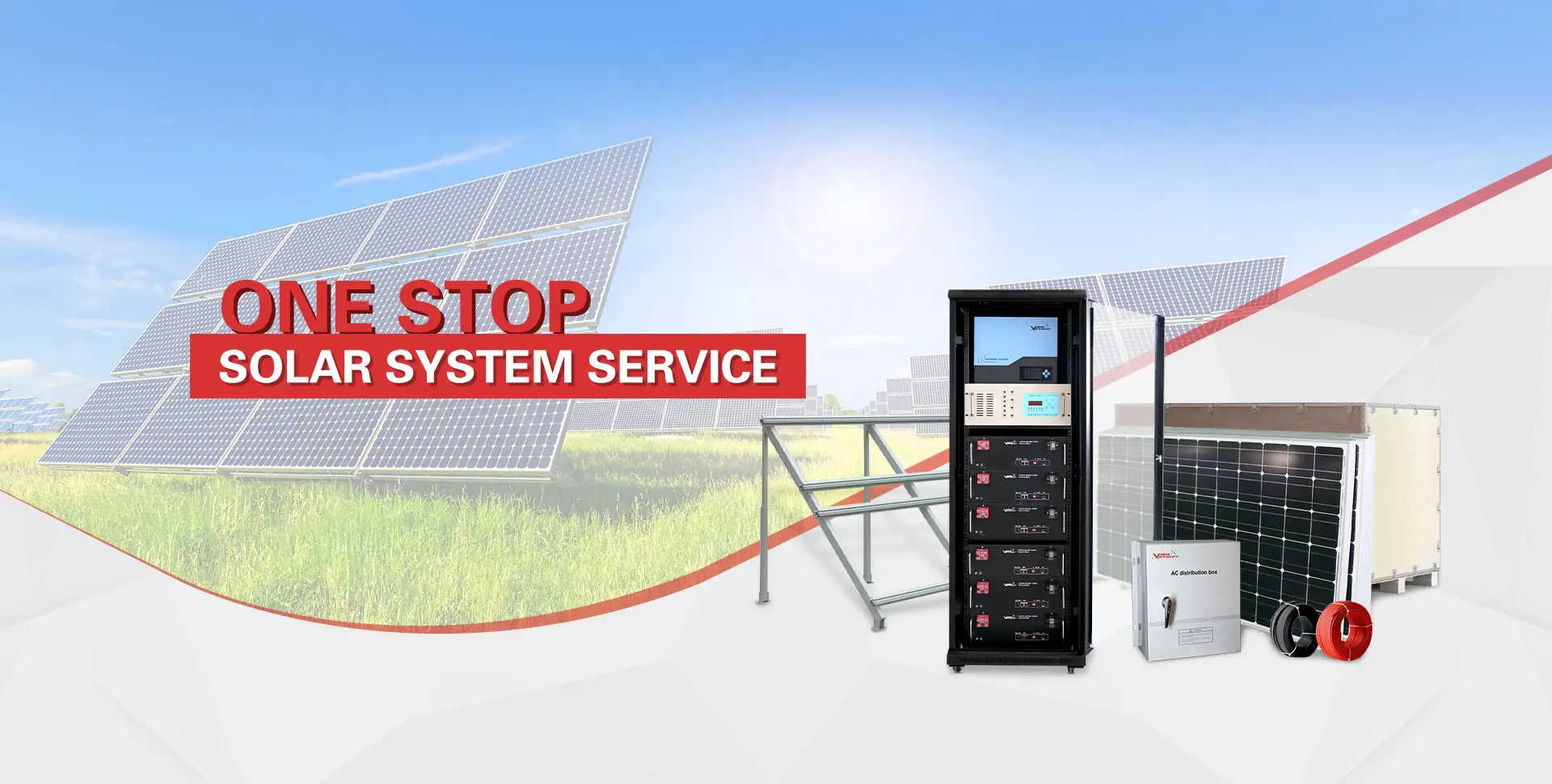
One-stop balanced packages engineered for microgrid, residential, and C&I deployment with pre-matched 48V battery racks.
Explore SystemsDirect OEM/ODM integration with factory certified compatibility. Pre-validated low-voltage 48V LiFePO4 battery modules, multi-mode inverters, and automated array optimization hardware.
One-stop balanced packages engineered for microgrid, residential, and C&I deployment with pre-matched 48V battery racks.
Explore Systems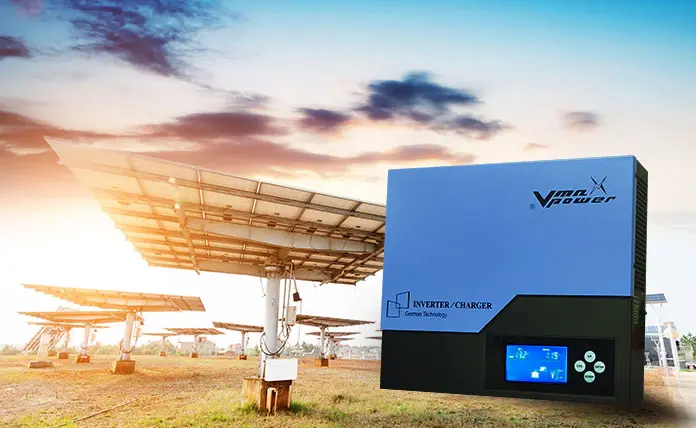
Heavy-duty toroidal transformer with 32-bit CPU control, perfectly pairing with 48V LiFePO4 high-surge operations.
View LF Inverters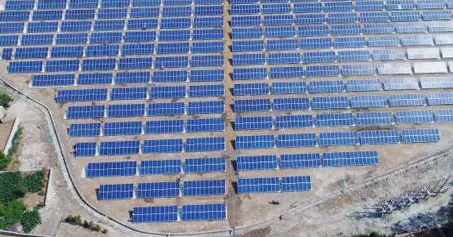
Bi-directional hybrid PCS handling 48V low-voltage battery banks with zero transfer millisecond switching.
View Storage Inverters
Rack-mount and wall-hung 48V/51.2V prismatic LiFePO4 packs featuring smart BMS CAN/RS485 auto-discovery protocols.
View Solar Batteries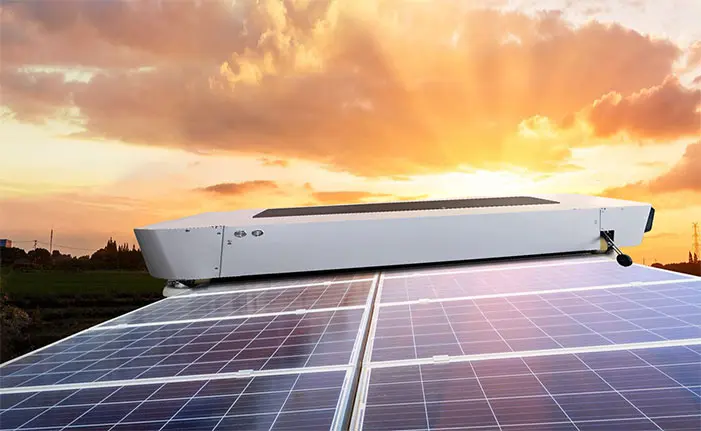
Autonomous cleaning mechanisms designed to maintain PV harvest yield and eliminate soiling losses on commercial roofs.
View Cleaning Robots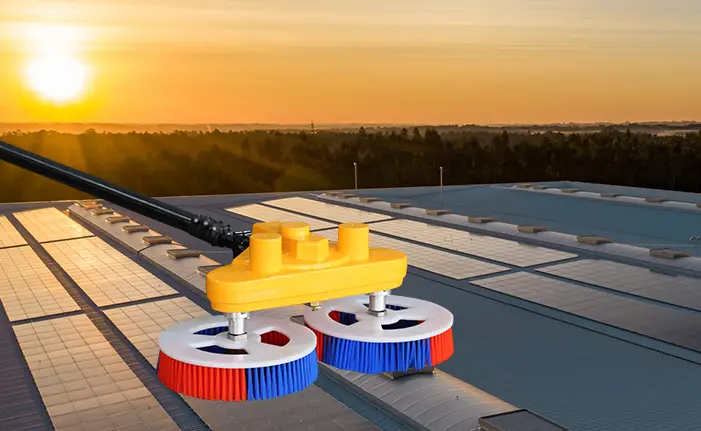
Dual-head rotary brush technology reducing operating temperatures and preserving anti-reflective panel coatings.
View Clean Brushes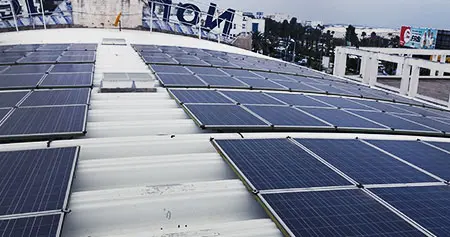
Transformerless compact converters built for optimized footprint, extreme conversion efficiency, and high MPPT range.
View HF Inverters
Self-sufficient micro-generation setups designed for rugged conditions, desert environments, and remote base stations.
View Off-Grid KitsA granular evaluation of safety protocols, voltage architecture selection, cell grading, and why 48V LiFePO4 dominates wholesale renewable procurement.
Within decentralized residential, telecommunications, and light commercial solar power generation, the 48V low-voltage (LV) direct current architecture has emerged as the definitive global benchmark. Technically rated at 51.2V nominal under Lithium Iron Phosphate (LiFePO4 / LFP) 16S chemistry, the 48V threshold operates within the Safety Extra Low Voltage (SELV) range (<60V DC). This fundamental physical characteristic mitigates lethal touch potential, drastically reduces installation permitting delays across the EU, North America, and Australia, and simplifies regional electrical compliance codes (such as NEC 690 in the United States and AS/NZS 5139 in Australasia).
Unlike high-voltage (HV) systems (ranging from 200V to over 800V) which introduce high risk of DC arcing, complex string isolation requirements, and hazardous field maintenance, 48V lithium systems allow modular scaling in parallel without altering safety profiles. Modular scalability allows EPCs and distributors to configure capacities from 5 kWh to over 160 kWh by daisy-chaining standardized 100Ah or 200Ah battery units. Each unit is managed by a local Battery Management System (BMS) interconnected via industrial CANbus and RS485 communication protocols.
Tier-1 manufacturing processes implemented by Beijing Multifit (operating under the VMAX POWER brand since 2009) focus on cell consistency: voltage deviation under 5mV, internal AC impedance delta under 0.2mΩ, and capacity retention exceeding 80% after 6,000 deep discharge cycles at 0.5C/1C rates (25°C, 80% DoD). A high-reliability 48V battery pack is governed by a 32-bit automotive-grade MCU BMS that provides autonomous over-charge, over-discharge, short-circuit, pre-charge soft-start, and cell-level balancing.
Furthermore, closed-loop inverter-to-battery communication is vital. Without protocol compatibility, inverters revert to open-loop voltage-based algorithms, which can trigger premature low-voltage cut-offs due to LFP's remarkably flat discharge curve between 10% and 90% state-of-charge (SOC). Direct CAN/RS485 handshake ensures dynamic charging current limits (CCL) and discharge limits (DCL) based on actual cell temperature and state-of-health (SOH).
Comprehensive price benchmark for volume buyers, project EPC contractors, and regional distributors. Quotes are FOB China baseline, including standard OEM branding and tier-1 smart BMS integration.
| Model / Form Factor | Nominal Spec | Usable Energy | Cycle Life & C-Rating | BMS Protocol Support | FOB Tier (10-49 Units) | Wholesale Tier (Container FCL) |
|---|---|---|---|---|---|---|
| Rack-Mount Server Pack | 48V/51.2V 100Ah | 5.12 kWh | 6,000 cycles (0.5C/1C) | CAN / RS485 / Modbus RTU | $720 - $810 | $580 - $660 |
| High-Capacity Rack Unit | 48V/51.2V 200Ah | 10.24 kWh | 6,000 cycles (0.5C/0.8C) | Auto-addressing CAN/RS485 | $1,380 - $1,550 | $1,120 - $1,280 |
| Slim Powerwall Wall-Mount | 48V/51.2V 100Ah | 5.12 kWh | 6,500 cycles (0.5C) | Pylontech / Growatt / Victron | $790 - $890 | $640 - $720 |
| Commercial Modular Cluster | 48V/51.2V 400Ah | 20.48 kWh | 6,000 cycles (0.5C/1C) | Dual-bus Active Balancer | $2,750 - $3,050 | $2,190 - $2,480 |
| Heavy C&I Cabinet Array | 48V/51.2V 800Ah | 40.96 kWh | 6,000 cycles (0.5C) | Integrated Touchscreen HMI | $5,400 - $6,100 | $4,350 - $4,850 |
The competitive leverage of China’s advanced industrial clusters, complete vertical supply chains, and automated quality control.
From lithium cathode synthesis and copper foil precision rolling to algorithmic BMS PCB assembly, China hosts over 75% of global lithium infrastructure. This concentration eliminates trans-continental shipping delays for component parts and accelerates R&D turnaround from concept to prototype down to 14 days.
Manual assembly introduces impedance variations. Multifit leverages automated laser welding, computerized four-quadrant cell impedance sortation, and automated cycling chambers that eliminate thermal hotspots and guarantee uniform pack degradation over a 15-year operational lifespan.
Factory pre-testing includes 3-axis vibration testing (simulating rough ocean and unpaved transit), extreme temperature cycling (-20°C to +60°C), and high-humidity salt-spray validation. This ensures complete reliability when deployed in remote tropical or coastal locations.
By bypassing third-party brokers, trading companies, and multi-tiered domestic distributors, overseas importers retain a 25%–35% margin cushion. Factory direct sales mean immediate access to firmware engineers for custom communication protocols.
Field-proven resilience across rigorous commercial, industrial, remote community, and weak-grid environments.
In regions with frequent load-shedding (e.g., South Africa, Nigeria, Pakistan), telecom towers require continuous DC power. Replacing lead-acid strings with 48V LiFePO4 eliminates battery theft (due to built-in software lockouts), quadruples service cycles, and operates reliably in high ambient temperatures without continuous air conditioning.
Combined with low-frequency toroidal transformer inverters, 48V lithium banks provide the high instantaneous inductive surge currents (up to 3x nominal) required to start submersible water pumps, providing stable irrigation in arid regions without expensive diesel generator runs.
Commercial facilities leverage 48V/400Ah clusters to arbitrage volatile time-of-use (TOU) tariffs. The battery charges during off-peak solar generation hours and discharges during peak utility pricing windows, reducing commercial capacity penalties.
Isolated communities lacking transmission grid access run central 48V mini-grids. Lithium storage delivers high round-trip efficiency (98%) compared to lead-acid (75%), maximizing every kilowatt-hour generated by solar panels.
Homeowners in Europe and North America integrate slimline 5.12 kWh 48V wall units with hybrid inverters to achieve up to 85% grid autonomy, securing clean backup power during severe weather and grid failures.
Emerging battery chemistries, cloud AI analytics, and evolving regulatory mandates.
Modern 48V systems are transitioning from passive safety circuits to IoT-connected edge processors. Real-time telemetry streams cell temperatures and internal degradation metrics to cloud servers, forecasting failures weeks before an unexpected system drop.
While LiFePO4 remains the commercial standard, 48V sodium-ion packs are emerging for extreme cold-climate operations (-40°C to +45°C) without internal heating blankets, eliminating capacity fade in freezing environments.
Passive balancing dissipates surplus energy as heat through resistors. Modern high-spec 48V systems use inductive/capacitive active balancing (1A to 2A transfer rates), shuttling charge between cells to maximize pack capacity.
Global regulations (such as the EU Battery Directive) require transparent material passports, high recycled content ratios, and modular pack designs that simplify cell-level disassembly and end-of-life material reclamation.
Essential due diligence for EPC contractors, importers, and government project procurement officers.
Always demand official cell batch testing reports, QR code traceability, and original factory grade certificates. Ensure you are not purchasing second-life or repurposed EV automotive cells inside stationary casings.
A battery is only as reliable as its communication bridge. Confirm that the BMS firmware contains native, pre-flashed CANbus protocols compatible with your specific inverter fleet (e.g., VMAX POWER, Victron, Deye, SMA, Studer).
Calculate Levelized Cost of Storage (LCOS): Initial Investment ÷ (Total Lifetime Throughput kWh × Round Trip Efficiency). A cheaper lead-acid or low-tier lithium pack often yields a significantly higher lifetime cost per kWh.
Lithium batteries represent Class 9 Dangerous Goods. Sourcing from certified manufacturers guarantees access to verified MSDS, UN38.3 vibration/shock test reports, and non-hazardous packaging certifications for customs clearance.
Ensure the manufacturer maintains an actionable 5-to-10-year warranty structure. VMAX POWER backs international distributors with modular replacement BMS boards, cell modules, and direct technical engineering support.
Direct technical answers addressing engineering concerns, pricing dynamics, compatibility, and factory direct procurement.
They refer to the same architecture. A 15-cell (15S) LiFePO4 battery has a nominal voltage of 48.0V (3.2V × 15), while a 16-cell (16S) battery has a nominal voltage of 51.2V (3.2V × 16). Today, 16S / 51.2V is the global standard because its discharge curve perfectly aligns with the DC input range of modern 48V off-grid and hybrid inverters (typically 42V to 58V), maximizing usable energy capacity without triggering low-voltage cut-offs.
Most VMAX POWER 48V lithium modules support up to 15 or 16 units connected in parallel using DIP switch auto-addressing, scaling storage capacity beyond 80 kWh to 160 kWh without requiring an external master controller. Series connection is generally prohibited; for higher voltage needs, specialized high-voltage (HV) battery systems should be used.
Yes. 48V lithium batteries are ideal drop-in replacements for lead-acid/gel battery banks. However, the charging equipment (solar charge controller or inverter-charger) must be reconfigured to appropriate lithium charge profiles (absorption at 56.8V–57.6V, float disabled or set to 54.4V). Closed-loop BMS communication is strongly recommended for optimized lifespan.
Wholesale prices are driven by four core factors: (1) Current market price of battery-grade lithium carbonate; (2) Cell quality grade (Class A vs. Class B/recycled); (3) Integrated BMS capabilities (passive vs. high-current active balancing and CANbus protocols); and (4) Procurement volume (sample vs. container-level full container load / FCL orders).
Low-frequency inverters incorporate a massive copper toroidal transformer capable of sustaining peak surge currents of 300% for up to 20 seconds. This makes them essential for inductive loads such as deep-well pumps, motors, and heavy refrigeration. High-frequency inverters are lighter, more compact, and cost-effective, but best suited for resistive electronic loads.
International shipments require UN38.3 test certification and Material Safety Data Sheets (MSDS) for ocean and air logistics. For regional compliance, the European Union mandates CE-LVD, CE-EMC, and IEC 62619 for electrical and operational safety, while North American markets often require UL 1973 recognition for commercial and residential stationary storage.
Explore our complete portfolio of high-efficiency inverters, intelligent cleaning machinery, and commercial solar accessories engineered by Beijing Multifit.
High-yield grid-tied configurations with net-metering compatibility designed for rapid payback across commercial rooftop arrays.
View On-Grid Systems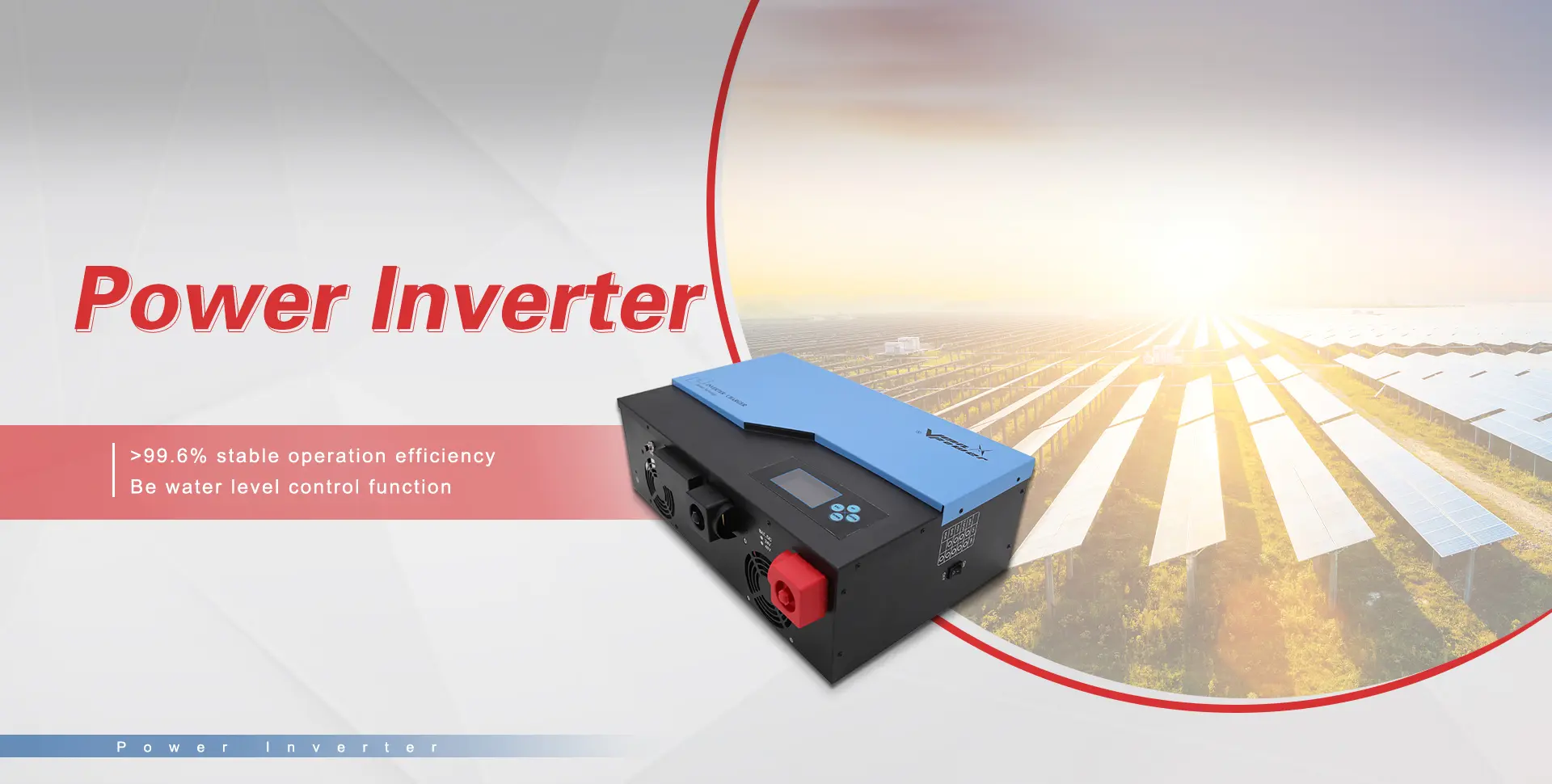
Pure sine-wave power inverters offering ultra-low harmonic distortion (THD < 3%) and exceptional thermal stability.
Explore Inverters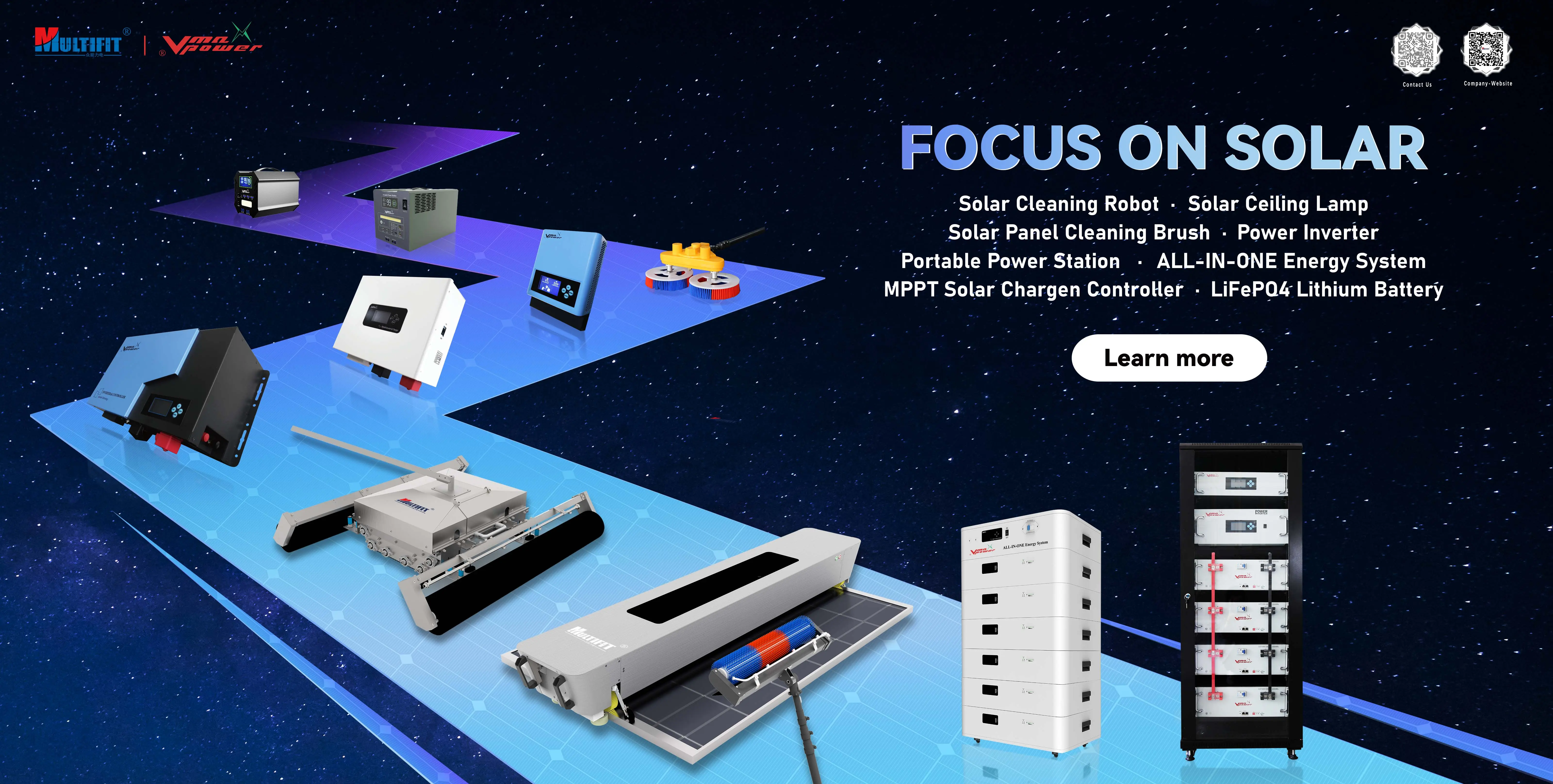
Integrated cleaning stations and automated maintenance hardware keeping utility arrays operating at peak nameplate capacity.
View Cleaning Solutions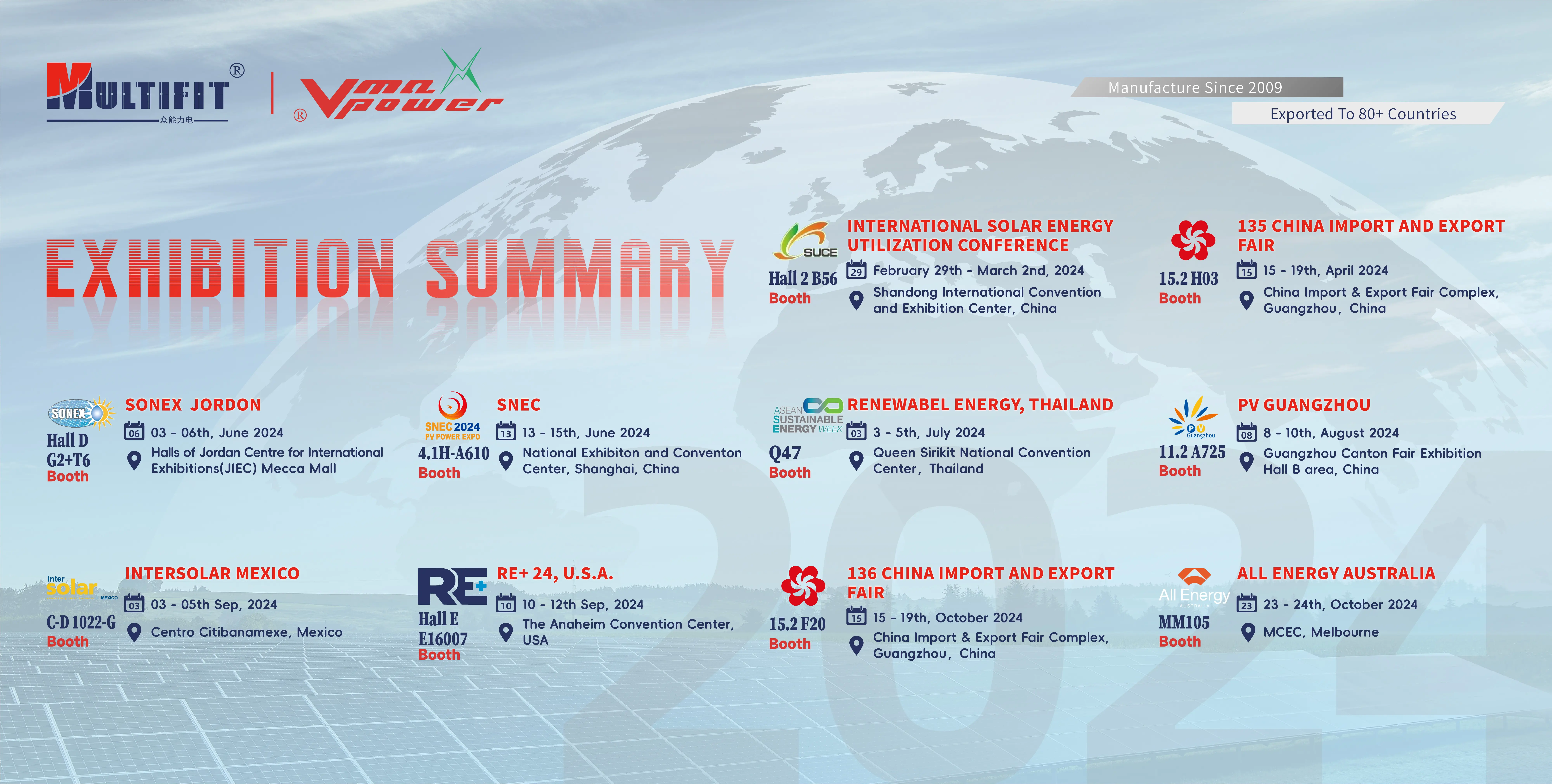
Monocrystalline PERC and N-Type TOPCon panels delivering high conversion efficiency even in low-irradiance conditions.
Explore Panels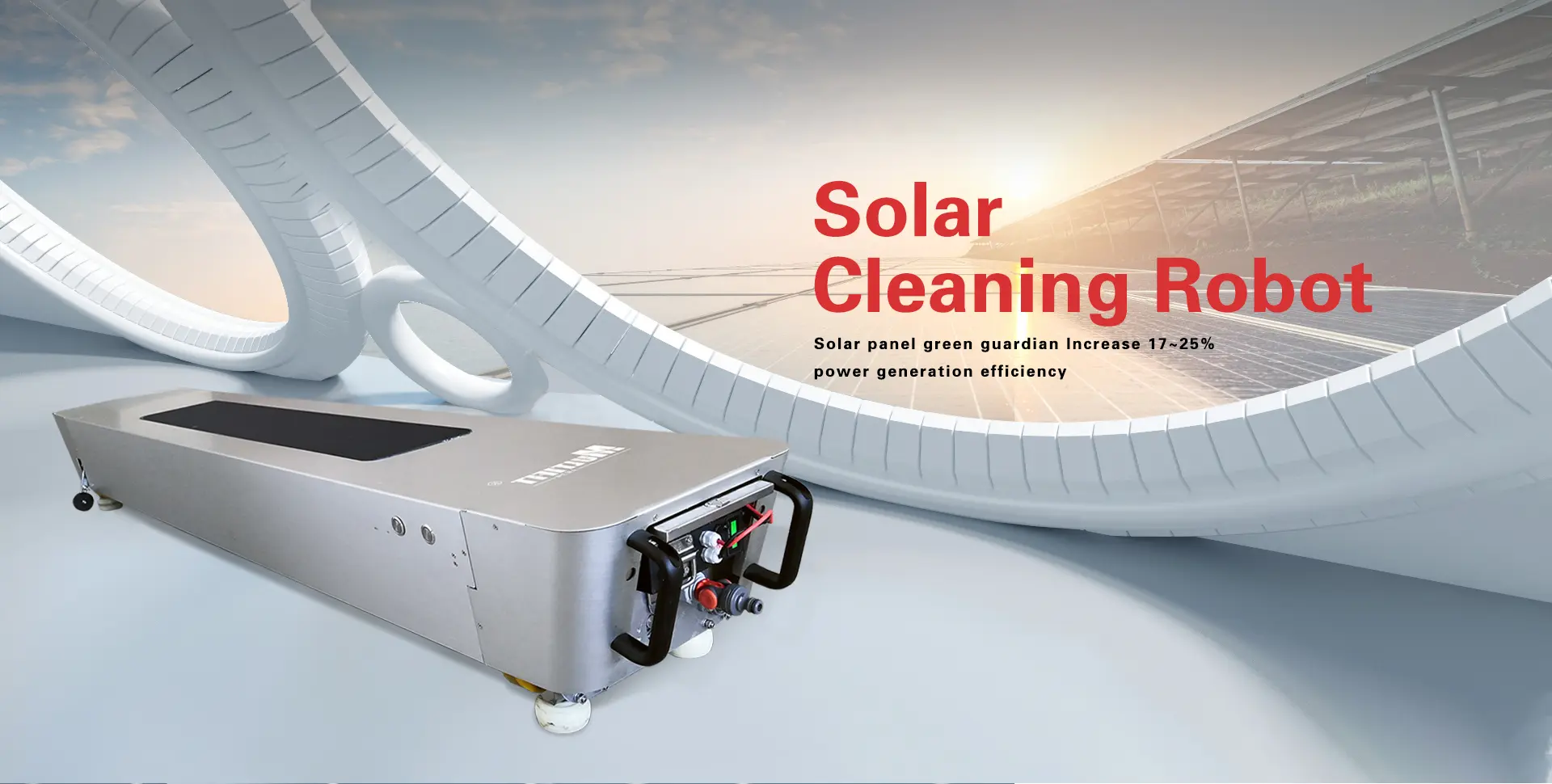
Ultra-fast maximum power point tracking controllers with 99.5% tracking efficiency for 12V/24V/48V battery charging.
View Controllers
Industrial perimeter and project lighting with built-in lithium batteries and intelligent motion-sensing dimming curves.
View Flood Lights
All-in-one solar street luminaires integrating high-lumen LEDs, LiFePO4 cells, and autonomous micro-charge logic.
View Integrated Lights
Specialty junction hardware, mounting solutions, and direct factory accessories tailored for custom EPC projects worldwide.
Explore All ProductsConnect with our application engineering team to request complete technical datasheets, full container volume wholesale quotes, and customized BMS protocol firmware mappings for your regional markets.