Engineered by Beijing Multifit Electrical Technology Co., Ltd. (VMAX POWER) for seamless BMS-to-inverter communication and extended thermal cycle resilience.
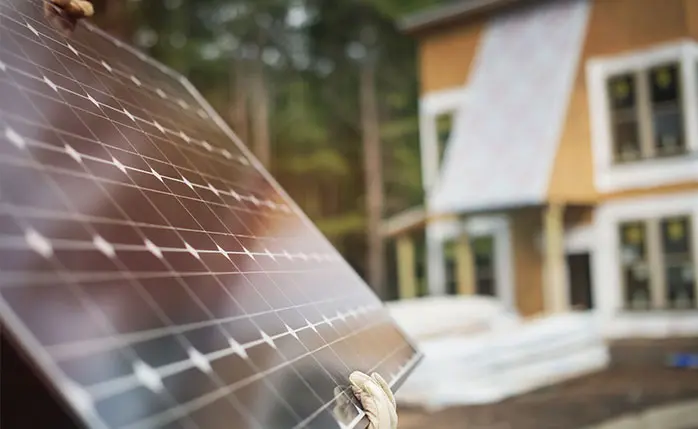
Heavy-duty LiFePO4 chemistry with integrated active cell balancing, 6000+ cycle life, and CAN/RS485 protocol compatibility.
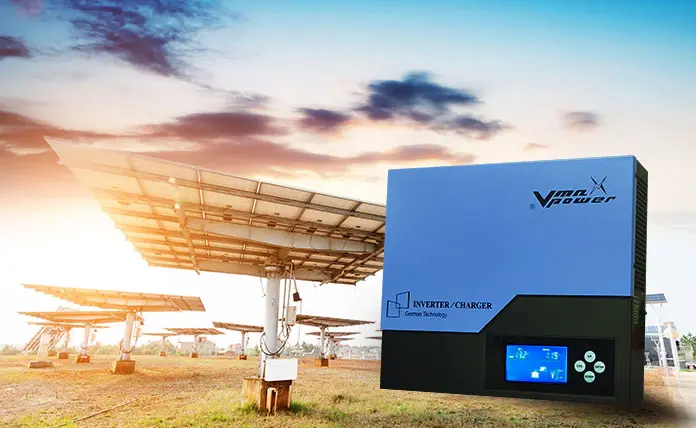
Bi-directional hybrid inverter optimized for lithium iron high-rate charge profiles with millisecond grid-switching transfer.
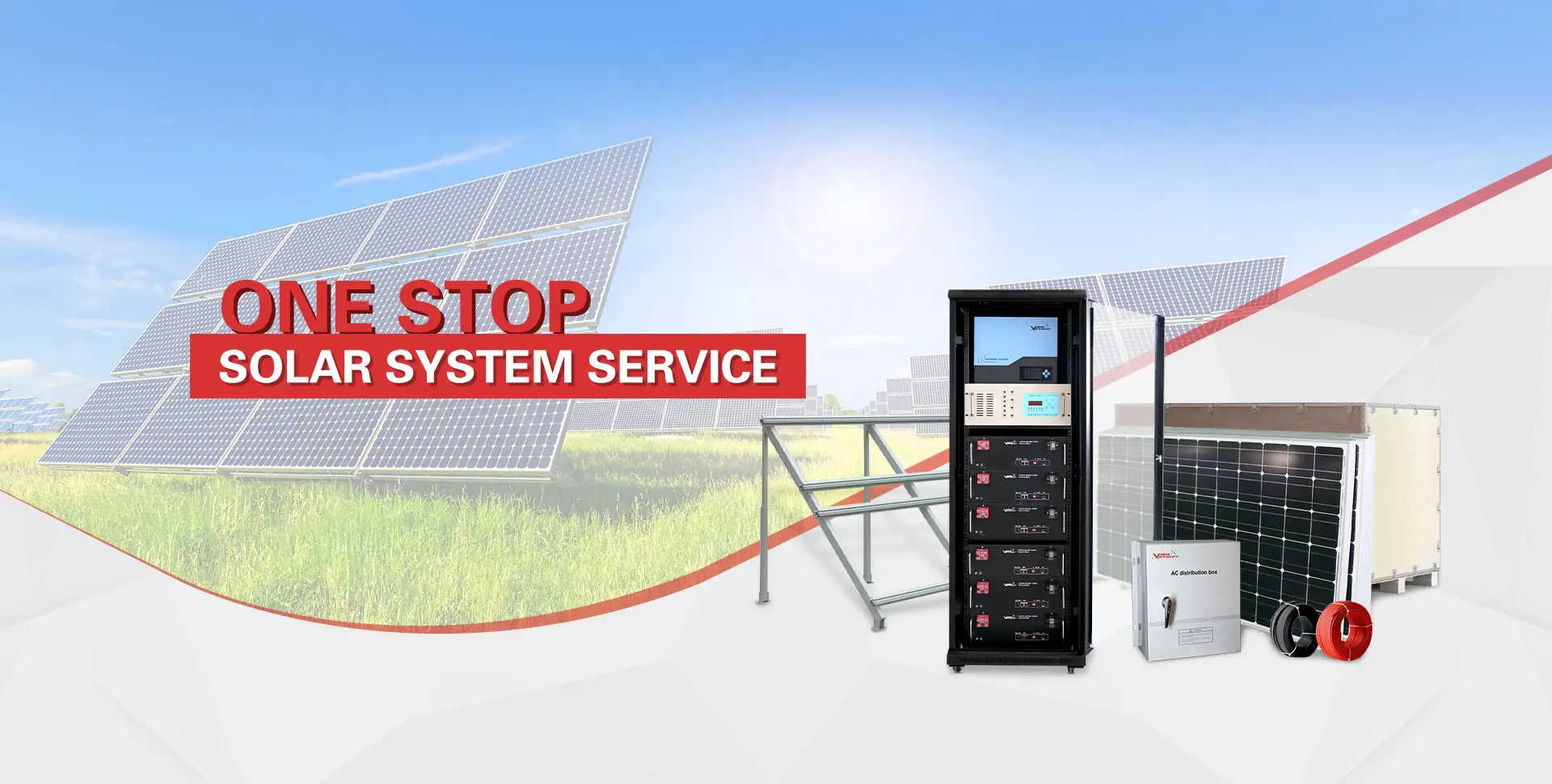
Engineered pre-wired balance-of-system integrating Tier-1 PV arrays, lithium storage banks, and rapid shutdown compliance.
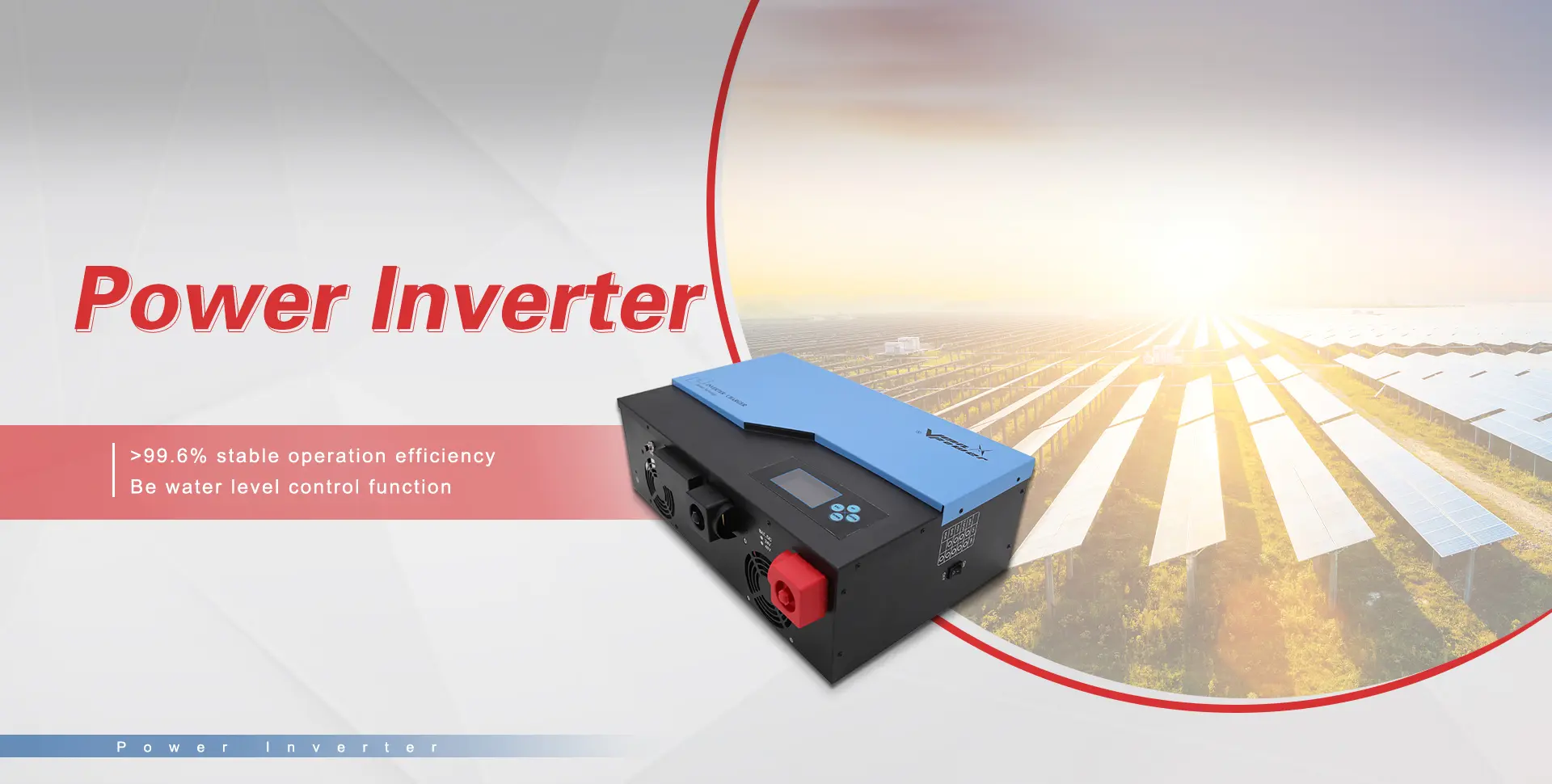
Heavy toroidal transformer with 300% surge capacity designed to run inductive motor loads directly from lithium battery banks.
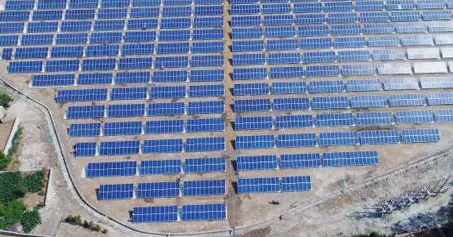
Zero-grid architecture configured with resilient LiFePO4 banks for uninterrupted power in telecom, mining, and island outposts.
Ultra-compact transformerless design with integrated MPPT trackers, optimized for compact wall-mounted LiFePO4 batteries.
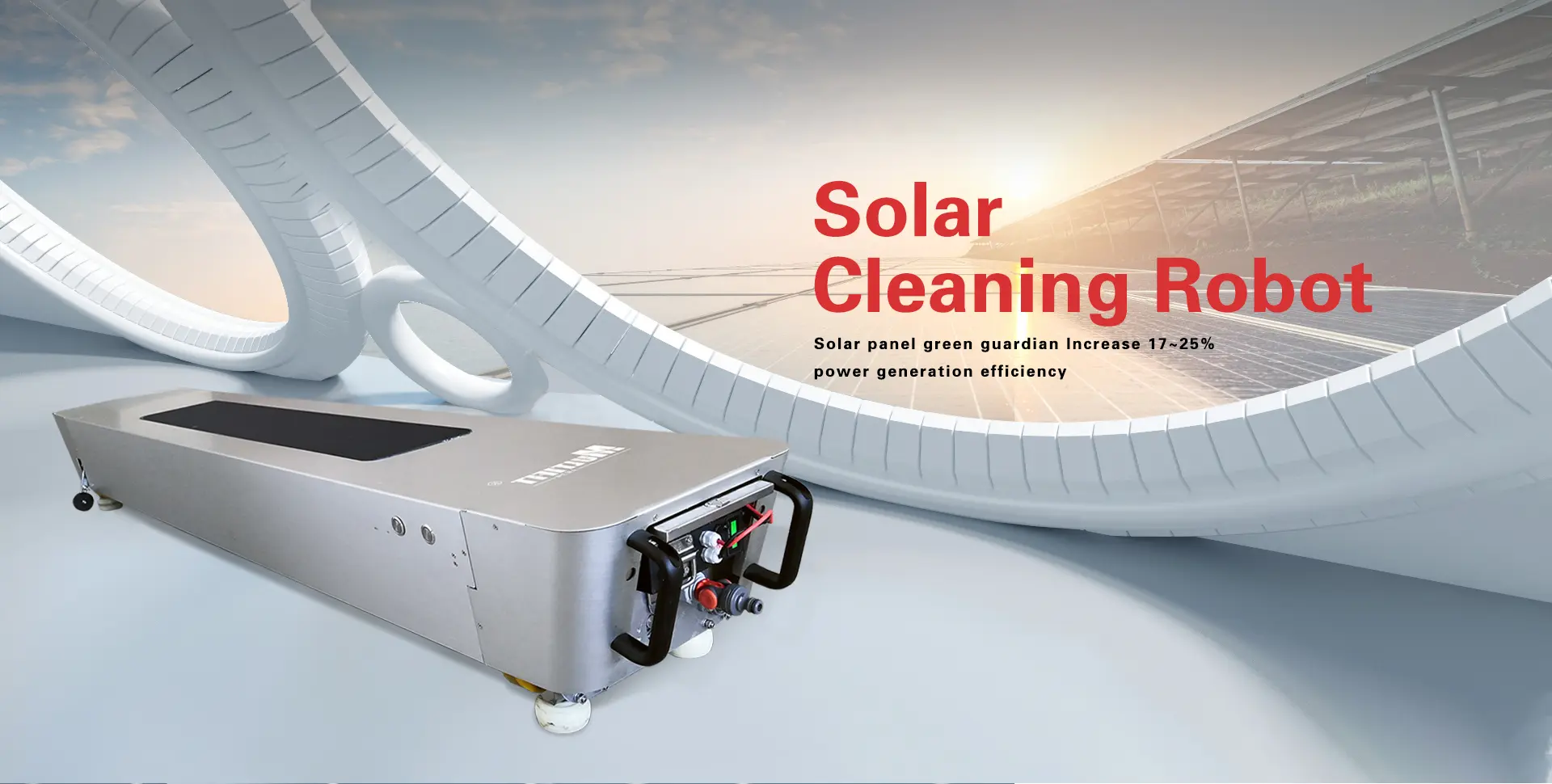
Preserve maximum charging yield for your lithium battery banks with water-free automated robotic cleaning for utility arrays.
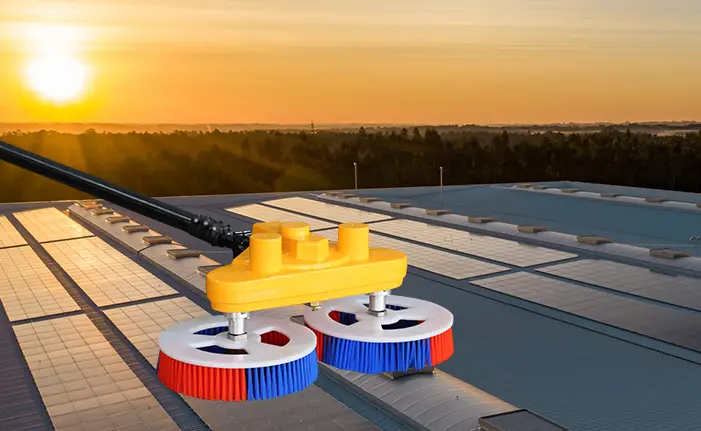
Counter-rotating dual head system powered by portable lithium packs for rooftop solar farms and commercial rooftops.
Evaluating electrochemistry fundamentals, supply chain consolidation, and total cost of ownership (TCO) shifts across C&I energy storage sectors.
In the contemporary energy landscape, Lithium Iron Phosphate (LiFePO4 / LFP) has firmly decoupled itself from the volatility of legacy nickel-cobalt chemistries (NMC/NCA), establishing unprecedented dominance across stationary commercial and industrial energy storage systems (BESS), microgrids, and off-grid infrastructure. Where automotive sectors long prioritized gravimetric energy density at any thermal cost, grid-scale and distributed energy applications demand non-negotiable safety margins, continuous cycling capabilities exceeding 15 years, and rock-bottom levelized cost of storage (LCOS).
Unlike layered transition metal oxide cells that release exothermic oxygen gas during decomposition at 210°C, the phospho-olivine structure of lithium iron batteries binds oxygen covalently with phosphorus via robust P-O tetrahedral bonds. Thermal runaway thresholds do not initiate until temperatures exceed 270°C–300°C, completely eliminating systemic self-oxidizing combustion risks in high-capacity warehouse racks and shipping container BESS units.
Global demand for stationary lithium iron storage is projected to surpass 450 GWh annually by 2028, driven primarily by corporate decarbonization mandates, grid volatility, and capacity peak charges imposed by utilities worldwide. For international distributors, EPC contractors, and system integrators, selecting a direct-from-source manufacturing partner is no longer just about procuring raw electrochemical cells; it is about validating the engineering rigor of the Battery Management System (BMS), thermal distribution manifolds, and balance-of-system interoperability.
Inherently inert crystal structure tolerates internal short-circuit stress, overcharge abuse, and high operational ambient temperatures without explosive propagation.
Maintains greater than 80% State of Health (SOH) after 6000 continuous full discharge cycles at 1C/1C rates, translating into a 15–20 year operational lifespan.
With zero cobalt or nickel dependency, raw materials remain abundant. When evaluated per throughput kilowatt-hour ($/kWh/cycle), LFP is 65% cheaper than lead-acid or NMC.
Delivers consistent, flat voltage discharge curves from 95% down to 10% DOD without sustaining the severe plate sulfation degradation seen in AGM/GEL batteries.
Leveraging the world’s most comprehensive industrial clustering to deliver precision-sorted Tier-1 lithium cells and high-yield automated pack assembly.
China accounts for over 78% of the world’s lithium-ion cell production capacity and more than 85% of total global cathode precursor refining. This geographic concentration gives high-tech Chinese manufacturers unmatched supply chain agility, allowing for microsecond-precise automated laser welding, end-to-end MES tracking, and rigorous OCV (Open Circuit Voltage) and IR (Internal Resistance) cell binning.
Founded in 2009 in the Beijing Economic & Technological Development Zone, Beijing Multifit Electrical Technology Co., Ltd. (publicly listed, equity code 280768) operates dedicated production lines for clean-tech solar products, smart inverters, and high-safety battery modules under the flagship brand VMAX POWER. By uniting cell sorting, multi-layer BMS design, sheet metal chassis fabrication, and inverter firmware synchronization in-house, VMAX POWER eliminates the 15%–30% markup introduced by non-manufacturing export traders.
Every single prismatic cell undergoes a rigorous 4-step sorting procedure: capacity grading, voltage balancing within ±0.005V, AC internal resistance matching within ±0.05mΩ, and high-temperature static aging.
Our dual-MCU multi-stage Battery Management System features 2A active balancing, multi-channel thermal sensors, dual short-circuit MOSFET protection, and plug-in CAN bus protocol bridging for leading inverters.
Our ISO 9001 and ISO 14001 managed facilities hold over 20 proprietary design patents and 20+ authentic CE, TUV, and IEC safety certifications, meeting the strictest UN38.3 maritime dangerous-goods shipping protocols.
Field-proven deployment topologies engineered for commercial peak shaving, industrial off-grid autonomy, and extreme climatic resilience.
Manufacturing facilities, cold-storage warehouses, and processing plants deploy 100kWh–500kWh lithium iron rack setups to discharge during expensive utility peak tariff periods. By flattening the maximum kW draw spikes recorded by utility demand meters, commercial users trim electric bills by 30% to 55% annually.
In regions devoid of stable central grids—such as deep mining exploration sites, desert communities, and remote islands—VMAX POWER high-voltage lithium banks integrate with PV arrays and diesel generators. The battery bank acts as the primary voltage source, reducing diesel runtimes by up to 75%.
With base stations demanding continuous high-discharge power in compact footprint enclosures, 19-inch 48V/51.2V rack-mounted LiFePO4 modules have replaced toxic lead-acid banks. They offer rapid recharge within 2 hours, anti-theft gyroscopic GPS integration, and uninterrupted reliability under high heat.
Coupled with VMAX POWER toroidal low-frequency inverters, our lithium iron packs support the high-inductance locked-rotor startup currents of water irrigation pumps and grain drying compressors without triggering BMS overcurrent shutdowns.
Evaluating 314Ah+ cell scales, high-voltage rack systems, cloud-connected AI BMS, and complementary sodium-ion chemistry advances.
The global standard is rapidly migrating from standard 280Ah cells to 314Ah/320Ah high-capacity units within identical volumetric footprints. This provides an instant 12% boost in containerized energy density, decreasing per-MWh civil installation foundation and logistics costs.
Transitioning from low-voltage 48V/51.2V architectures to high-voltage series architectures (400V to 1000V DC) minimizes cable resistive $I^2R$ power losses, optimizes overall inverter conversion efficiency up to 98.5%, and saves expensive heavy-gauge copper wiring across C&I project sites.
Modern BMS boards now integrate IoT cellular gateway connectivity directly with cloud neural networks. By constantly evaluating micro-fluctuations in cell electrochemical impedance and internal resistance, algorithms predict thermal runaway anomalies 72 hours before thermal manifestation.
For sub-zero tundra regions reaching -40°C where LFP charging requires heating pads, nascent sodium-ion chemistry is emerging as an auxiliary partner. VMAX POWER’s R&D team is developing dual-chemistry hybrid BMS controllers that balance both chemistries in cold-climate telecommunications.
Standard volume tier wholesale pricing structure (FOB China / EXW) for global distributors, EPC contractors, and OEM private-label importers (Updated for 2025 Procurement).
| Model Series | Nominal Specs | Cell Chemistry / Form | Cycle Life (80% SOH) | Communication | Sample Tier (1-9 pcs) | Wholesale HQ Container (>100 pcs) | Stock Status |
|---|---|---|---|---|---|---|---|
| VMAX-LFP-W48100 (Wall Mount) | 51.2V / 100Ah (5.12 kWh) | Grade A Prismatic LiFePO4 | ≥ 6000 Cycles @ 0.5C | CAN / RS485 / RS232 | $750 - $820 / unit | $560 - $610 / unit ($109/kWh) | In Stock (Factory Direct) |
| VMAX-LFP-R48200 (Server Rack) | 51.2V / 200Ah (10.24 kWh) | Grade A Prismatic LiFePO4 | ≥ 6000 Cycles @ 0.5C | CAN / RS485 / Modbus | $1,380 - $1,490 / unit | $1,080 - $1,150 / unit ($105/kWh) | High Volume Stock |
| VMAX-LFP-STACK (High Voltage) | 204.8V - 614.4V (20-60 kWh) | HV Prismatic Modular Stack | ≥ 7000 Cycles @ 1C | CAN 2.0B / Ethernet | $3,600 - $8,900 / system | $118 - $125 / kWh (Full Stack) | Made to Order (14 Days) |
| VMAX-C&I-BESS100 (Cabinet) | 768V / 130Ah (100 kWh Cabinet) | 314Ah Utility Grade Cells | ≥ 8000 Cycles @ 0.5C | Industrial SCADA / Modbus TCP | $15,500 / unit | $11,800 - $12,400 / unit ($118/kWh) | Custom Project Build |
| VMAX-LFP-12100 (Lead-Acid Drop-In) | 12.8V / 100Ah (1.28 kWh) | Drop-In ABS Rugged Case | ≥ 4000 Cycles @ 1C | Internal Auto BMS | $170 - $195 / unit | $125 - $138 / unit ($97/kWh) | Ready to Ship |
| VMAX-LFP-24200 (Marine / RV) | 25.6V / 200Ah (5.12 kWh) | Heavy Shockproof Prismatic | ≥ 5000 Cycles @ 0.5C | Bluetooth App + RS485 | $790 - $850 / unit | $595 - $630 / unit ($116/kWh) | Immediate Production |
*Note: Pricelist serves as baseline guidance subject to quarterly lithium carbonate market fluctuations and custom packaging/branding requests. Volume container orders qualify for private-label silk-screening and localized software protocol adaptations.
A common procurement pitfall is evaluating battery purchasing solely on initial Capital Expenditure ($/gross kWh) rather than Levelized Cost of Energy Throughput ($/delivered kWh). Below is an engineer's operational life-cycle audit:
| Operational Metric | Traditional Lead-Acid (GEL/AGM) | VMAX POWER Tier-1 LiFePO4 | Engineering Advantage |
|---|---|---|---|
| Usable Depth of Discharge (DoD) | 50% (Deeper draws kill cycle life) | 90% - 100% | Requires half the physical amp-hour capacity |
| Average Cycle Life @ rated DoD | 800 – 1,200 Cycles | 6,000 – 8,000 Cycles | 600% higher operational lifespan |
| Round-Trip Energy Efficiency | 75% – 80% (High thermal heat loss) | 95% – 98% | Saves 18% of generated PV power daily |
| Weight & Volumetric Footprint | Standard Heavy (e.g. 10kWh = ~300kg) | Compact (10kWh = ~85kg) | 70% reduction in shipping & roof load weights |
| Estimated LCOS per Cycle | ~$0.28 – $0.38 / kWh / cycle | ~$0.045 – $0.06 / kWh / cycle | Over 75% lifetime operational cost savings |
Practical quality control criteria for vetting wholesale battery suppliers, detecting recycled second-life cells, and validating inverter closed-loop protocols.
Unscrupulous trading intermediaries frequently repackage recycled EV cells or factory-rejected "Grade B" cells with masked QR codes. Authentic Grade A prismatic cells feature clean, factory-engraved, readable laser data-matrix codes showing exact manufacturing dates, plant coordinates, and capacity match reports.
Open-loop charging voltage settings lead to premature cell degradation and nuisance tripping. Insist on a manufacturer that natively programs and tests closed-loop CAN/RS485 handshake communication with prominent inverter brands (e.g., Victron, SMA, Deye, Growatt, GoodWe, and VMAX POWER).
Prismatic cells expand and contract during high-rate cycling. Quality packs must utilize structural steel fixtures with calibrated spring compression fixtures (300kgf–500kgf) and high-dielectric epoxy aerogel insulation barriers between adjacent cells to prevent delamination.
Ensure test certificates are issued by internationally accredited laboratories (TUV Rheinland, SGS, or Intertek). Your commercial tender bids require valid CE, IEC 62619 (industrial safety), UN38.3, MSDS, and UL1973 reports to obtain regional electrical permits and maritime shipping insurance.
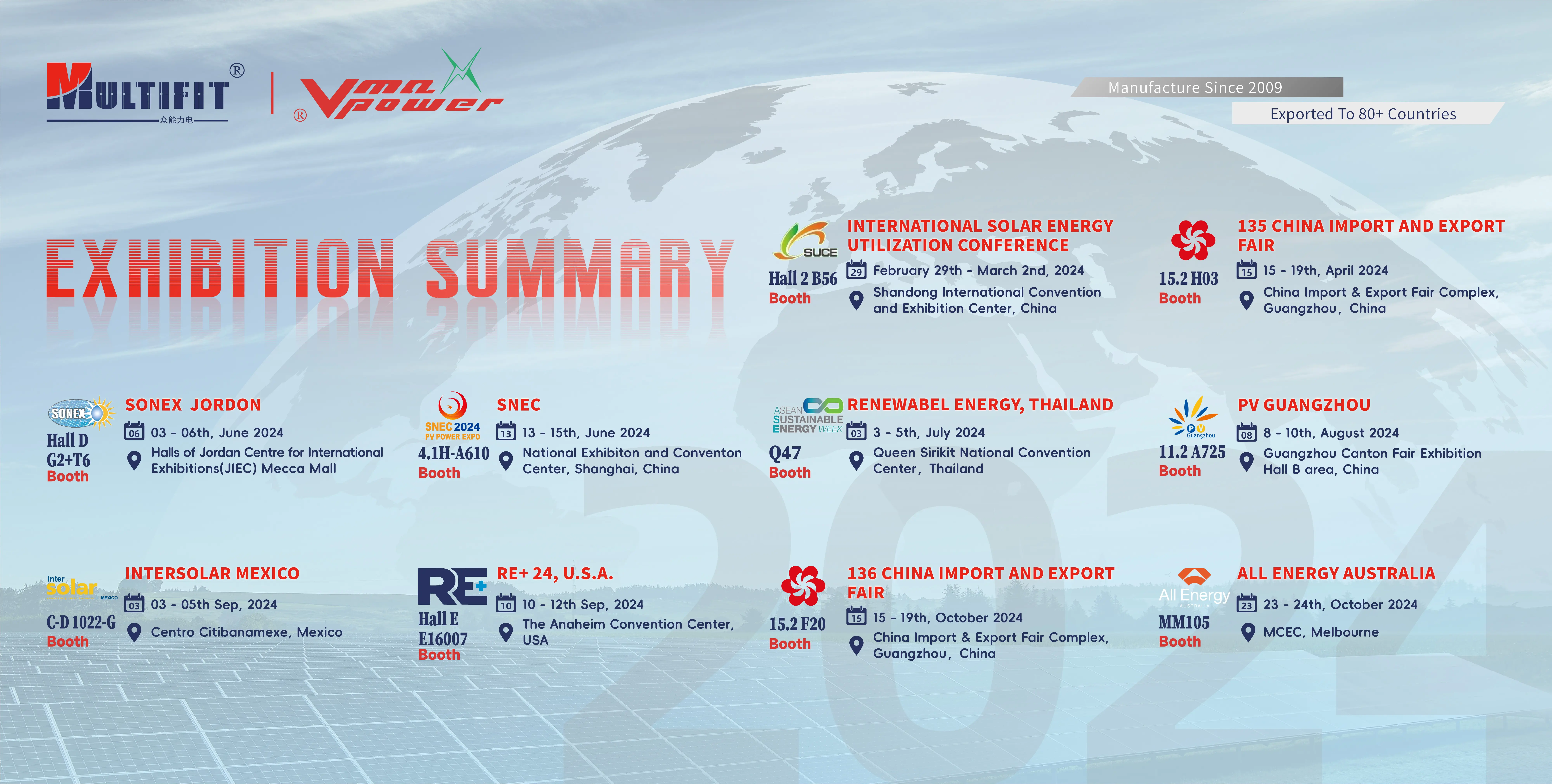
A listed enterprise delivering end-to-end solar inverters, lithium batteries, and automated photovoltaic cleaning equipment to 80+ countries worldwide.
Established in 2009, Beijing Multifit Electrical Technology Co., Ltd. (Equity Code: 280768) stands as a proven high-tech pioneer in the renewable sector. Combining dedicated R&D engineering divisions, complete surface-mount production lines, and turnkey PV project commissioning teams, we serve commercial buyers with unwavering accountability.
Direct, engineering-backed answers addressing the practical, logistical, and technical questions international purchasing managers ask.
Explore our full line of inverters, solar panels, street lighting, and balance-of-system hardware engineered to pair with our lithium iron battery systems.
Heavy-duty power inverter series featuring robust continuous rating, AVR grid stabilizer, and lithium charge algorithms.
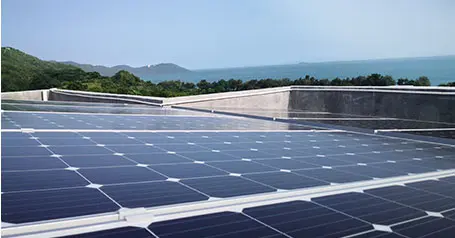
High-efficiency utility-interactive systems engineered for commercial roofs with net-metering feed-in tariffs and export limiters.
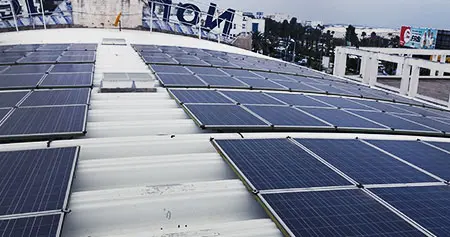
N-Type TOPCon and PERC solar modules delivering high conversion efficiency under low-light and high-temperature conditions.

Ultra-fast maximum power point tracking efficiency (>99.5%) customized with programmable lithium charging stages.
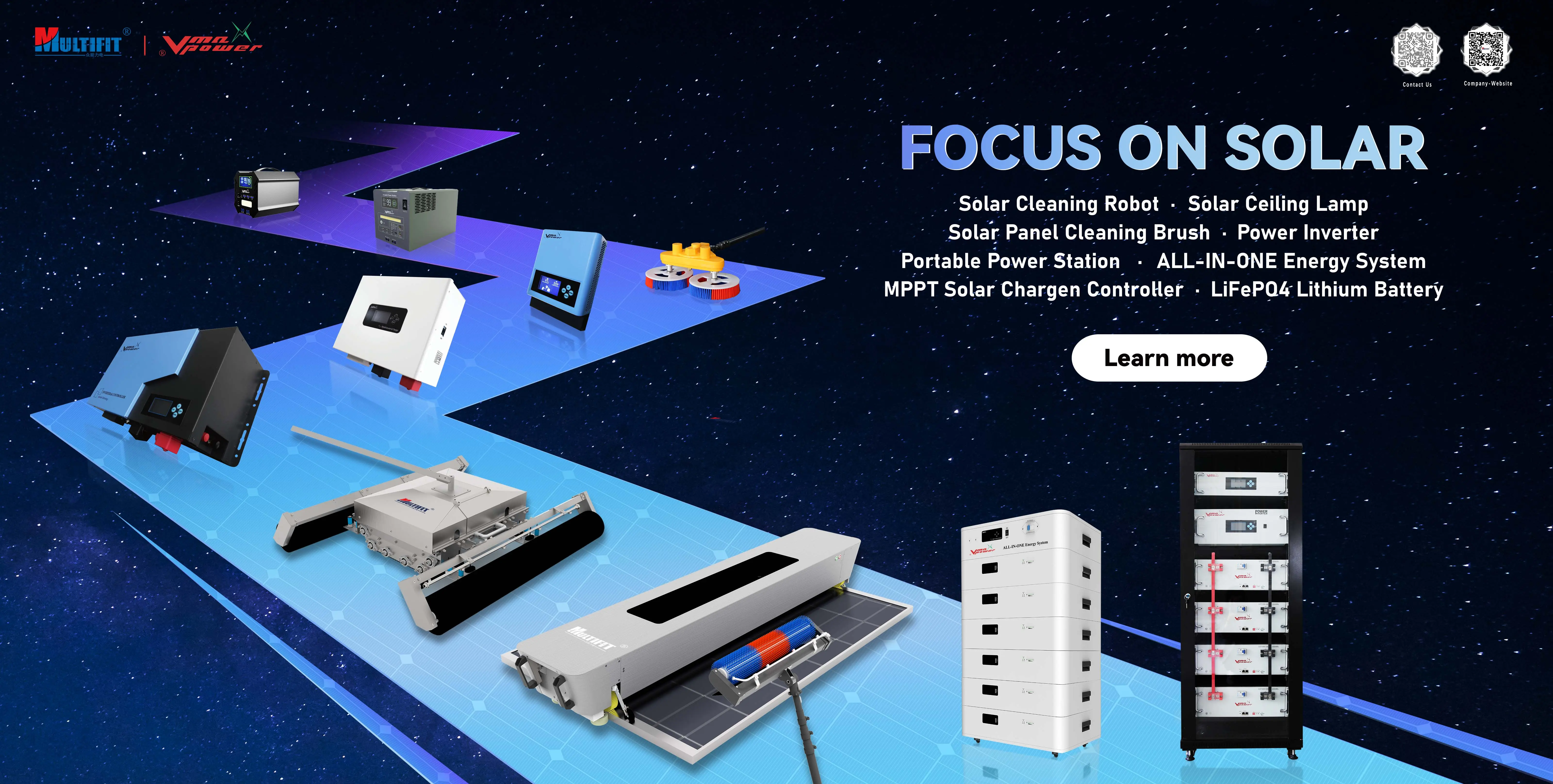
Integrated automated panel washing systems designed to mitigate dust soiling losses and maintain battery recharge speed.

Heavy-duty aluminum die-cast solar flood fixtures incorporating internal deep-cycle lithium cells for municipal projects.
Durable landscape lighting solutions equipped with smart dusk-to-dawn sensors and temperature-tolerant lithium storage.

All-in-one integrated solar lights, controllers, and balance-of-system accessories engineered for rapid commercial deployment.
Connect with Beijing Multifit's application engineering team. Obtain custom battery cell sizing, closed-loop inverter compatibility verification, and full container wholesale quotations tailored to your regional market specifications.