Engineered, manufactured, and cross-tested under unified quality gates at our Beijing Economic & Technological Development Zone manufacturing facility (Listed Equity Code: 280768).
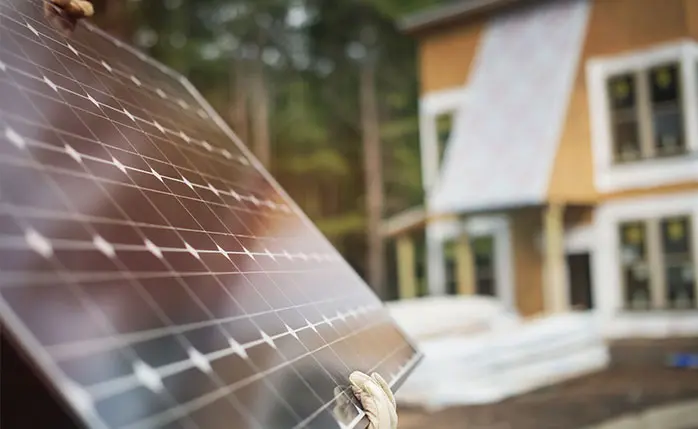
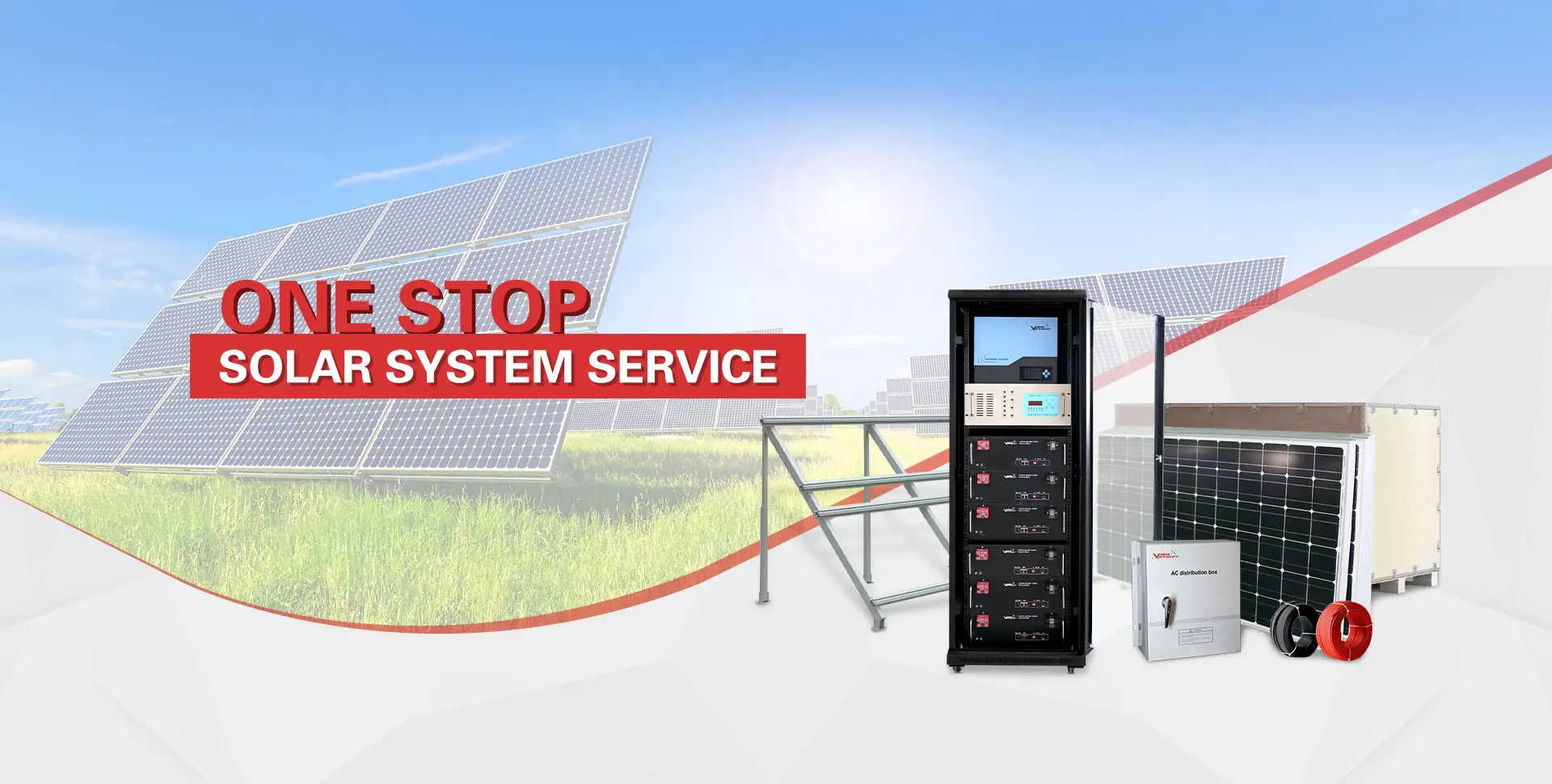
Unified engineering bundles combining tier-1 n-type TOPCon modules, matched inverters, and battery storage designed for rapid commissioning.
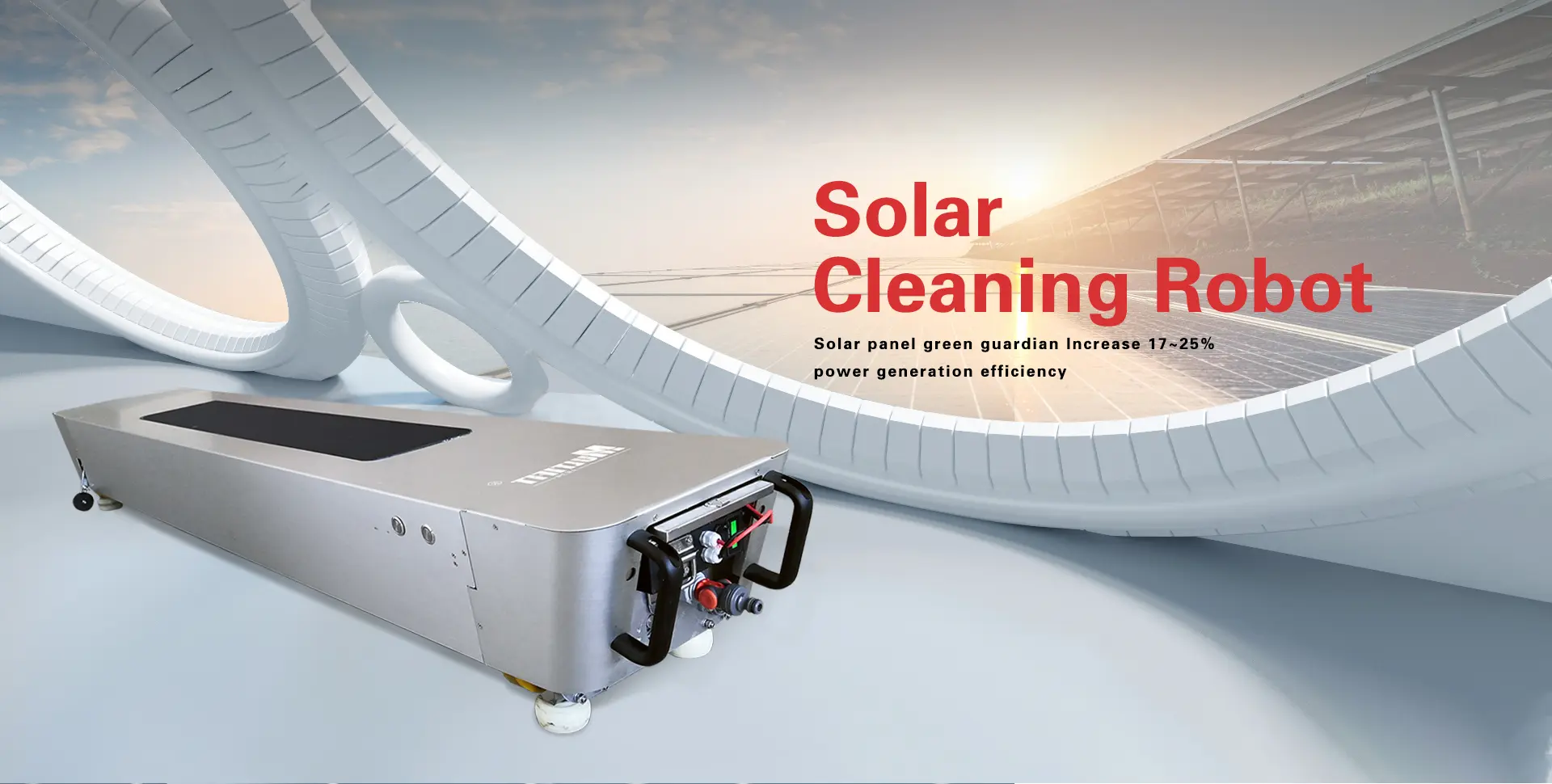
Autonomous, waterless and water-wash caterpillar crawlers designed to eliminate 15%–35% yield losses in desert, agricultural, and high-dust utility sites.
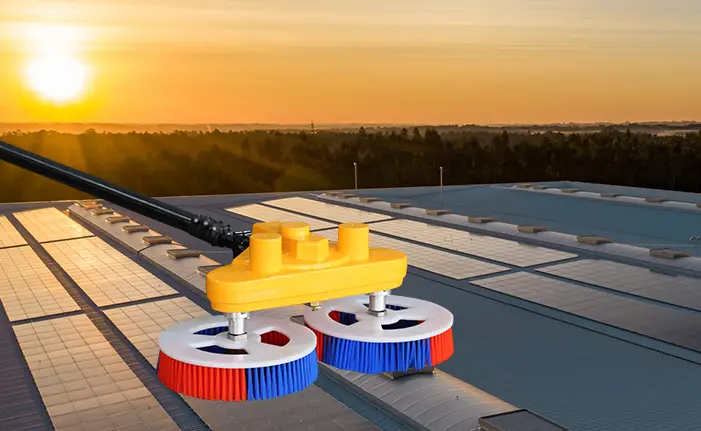
Dual-head counter-rotating photovoltaic wash brushes with ultra-light carbon fiber telescoping poles up to 7.5m for rooftop arrays and distributed C&I.
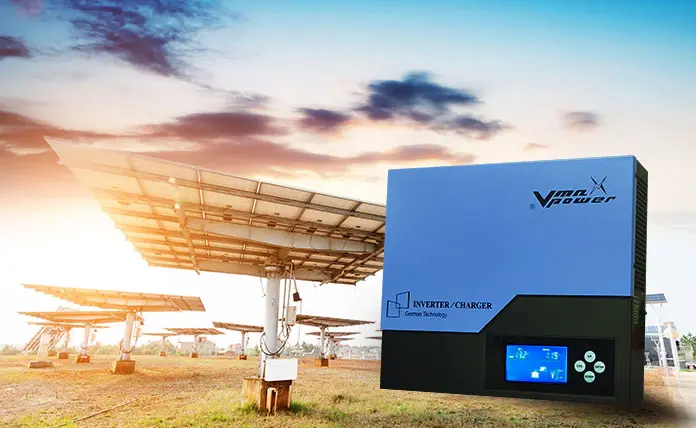
Pure copper toroidal transformer with 300% surge capacity, 32-bit MCU control, and galvanic isolation engineered to drive harsh inductive loads and motors.
Bidirectional hybrid inverters featuring millisecond UPS-grade cutover, smart Time-of-Use (TOU) arbitrage, and zero-export utility compliance.
High-cycle Lithium Iron Phosphate (LiFePO4) server racks and wall units equipped with multi-tiered Smart BMS for active balancing and over-current protection.
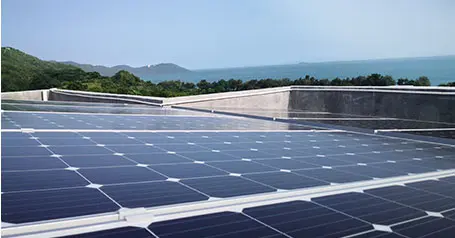
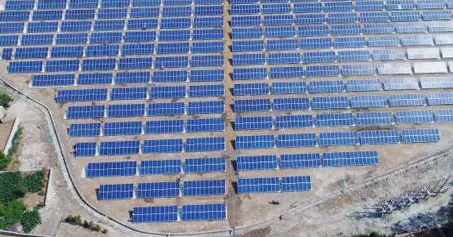
High-efficiency grid-tied installations designed for rapid LCOE amortization, featuring multi-MPPT optimization and comprehensive export power limiting.
Rugged standalone solar generator systems for rural electrification, agricultural irrigation, and telecommunications towers without grid connection.
A rigorous examination of supply chain integration, Levelized Cost of Energy (LCOE) reduction vectors, and technological convergence across global solar infrastructure.
Over the past two decades, the global photovoltaic landscape has shifted dramatically from fragmented, multi-vendor assembly toward tightly integrated, synchronized balance-of-system (BOS) architectures. Historically, international procurement managers, engineering, procurement, and construction (EPC) firms, and regional distributors faced debilitating interoperability challenges: mismatch losses between third-party modules and non-optimized Maximum Power Point Tracking (MPPT) algorithms, premature inverter capacitor failure due to high total harmonic distortion (THD), and inconsistent communication protocols across battery management systems (BMS).
As premier China Solar Panel System Manufacturers & Suppliers, Beijing Multifit Electrical Technology Co., Ltd. (brand VMAX POWER, equity code 280768) addresses these vulnerabilities at the source. Since our founding in 2009 within the Beijing Economic & Technological Development Zone, our engineering roadmap has focused on component co-design: matching crystalline photovoltaic generation profiles with proprietary toroidal transformer magnetic topologies, intelligent power electronics, and automated maintenance robotics.
Modern PV system viability is governed by Levelized Cost of Electricity ($/kWh), calculated as total lifecycle CAPEX + OPEX divided by lifetime energy yield. Factory-direct co-engineering eliminates intermediary margins while integrated cleaning robotics prevents the 20% to 35% cumulative yield degradation common in dusty arid regions, driving LCOE down by as much as 22% over 25 project years.
Overseas developers frequently encounter high failure rates when purchasing discrete sub-components from disparate trading houses. The most prevalent structural risks include:
Standard transformerless high-frequency inverters trip or suffer IGBT thermal breakdown when subjected to the 300% starting surge currents of water pumps, agricultural refrigeration, and industrial motors. Industrial sites require low-frequency copper toroidal architectures to sustain heavy inductive spikes.
Dust, avian fouling, and industrial grime account for significant unrecoverable generation loss. Manual cleaning on pitched commercial roofs poses severe occupational hazard risks and exorbitant ongoing OPEX. Robotic automation must be integrated into the initial BOS specification.
Battery banks utilizing uncertified CAN/RS485 handshakes with third-party hybrid inverters cause nuisance disconnections, inaccurate State-of-Charge (SOC) tracking, and accelerated cell capacity fade. Factory matching guarantees protocol unity and cell safety.
Selecting the optimal power conversion topology based on electrical load profiles, grid stability conditions, and operational duty cycles.
| Evaluation Parameter | Low Frequency (Toroidal Transformer) | High Frequency (Transformerless / Switching) | Hybrid Storage Bidirectional |
|---|---|---|---|
| Surge Capacity Factor | 300% Peak (Up to 20 seconds) | 120% - 150% (Instantaneous cut-off) | 200% Peak (Sub-second burst) |
| Galvanic Isolation | Physical magnetic separation between DC & AC | Electronic isolation via optocouplers | Capacitive or High-Frequency isolated |
| Inductive Load Compatibility | Exceptional (Compressors, submersible pumps, CNC) | Moderate (Electronic devices, resistives, LED lighting) | High (When paired with dynamic firmware controls) |
| Weight & Footprint | Heavier due to heavy copper toroidal core | Ultra-compact, lightweight, wall-mountable | Mid-profile, integrated switchgear layout |
| Grid Distortion Immunity | Absorbs line spikes, lightning surges, and dirty grid | Sensitive to grid harmonics and lightning impulses | Active filtering with programmable thresholds |
| Ideal Application Domain | Off-grid farms, remote mining, unstable microgrids | Residential grid-tied rooftops, light commercial | Commercial peak-shaving, microgrid backups, TOU arbitrage |
Unlike standard laminated E-I transformers, VMAX POWER's patented low-frequency inverter line utilizes circular grain-oriented silicon steel cores. This toroidal geometry delivers near-zero idle current losses, minimizes acoustic vibration, and provides instantaneous electromagnetic absorption of brutal inductive motor kickbacks.
LF Datasheet & Specs →Where roof space and aesthetic integration dictate system criteria, our high-frequency string inverters offer conversion efficiencies reaching up to 98.6%. Dual and quad MPPT channels ensure roof orientation variations do not throttle the string output, supported by active arc-fault circuit interrupters (AFCI).
HF Datasheet & Specs →Coupling generation with electrochemical storage requires sophisticated bidirectional inverters. VMAX POWER hybrid controllers dynamically arbitrate between solar harvesting, battery charging, critical load feeding, and surplus grid export with switching latency under 10ms to safeguard servers and delicate loads.
Storage Datasheet →Why modern project bankability calculations depend directly on autonomous array maintenance and zero-water cleaning methodologies.
Solar panel soiling is not merely a cosmetics concern; it represents one of the single greatest continuous operational drains on utility and commercial PV installations. In arid, semi-arid, desert, and high-traffic industrial regions, airborne particulate matter forms a semi-permanent crust across the low-iron antireflective tempered glass surface. This crust causes two catastrophic failure modes:
To address this global operational challenge, Multifit's Beijing engineering laboratory developed the industry-leading VMAX POWER Autonomous Robotic Cleaning Series.
Our robots feature specialized anti-static microfibers and high-traction caterpillar treads that glide safely across anti-reflective coated solar glass without causing micro-fissures or frame deformation.
From harsh desert microgrids to high-humidity island environments and complex industrial rooftops.
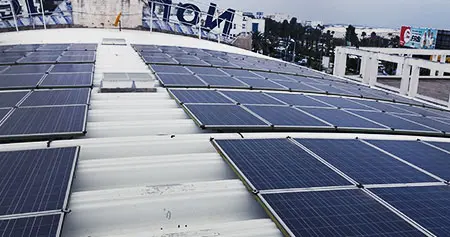
Challenge: Extreme ambient temperatures (+50°C), fine dust deposition, and severe water scarcity.
Multifit Architecture: High-efficiency bifacial modules paired with robotic dry-cleaning crawler squads and low-derating toroidal inverters. Yield recovered: +28.4% annually.
Challenge: Salt-fog corrosion, high humidity, absence of utility grid, reliance on expensive diesel generators.
Multifit Architecture: Off-grid solar generators with conformal-coated electronics, LiFePO4 storage racks, and automated diesel genset start/stop synchronization. Diesel runtime slashed by 82%.
Challenge: Heavy inductive surge of deep-well 3-phase submersible pumps tripping electronic inverters.
Multifit Architecture: Low-frequency inverters featuring massive copper toroidal transformers designed to sustain 3x starting current without voltage collapse. Zero generator fuel burn.
Strategic engineering pathways across cell chemistry, intelligent power conversion, and machine-learning predictive maintenance.
The photovoltaic industry has definitively transitioned from p-type PERC to n-type TOPCon and Heterojunction (HJT) cells. Multifit's engineering integration anticipates commercial Perovskite-Silicon tandem modules by 2027, yielding commercial efficiencies above 28% while maintaining standard form factors.
Our upcoming 2026 inverter generation embeds neuromorphic edge processors that execute microsecond string impedance scanning. This allows dynamic real-time bypass of partially shaded cells and continuous compensation for thermal degradation without requiring costly individual module micro-optimizers.
While Lithium Iron Phosphate (LiFePO4) remains the dominant storage standard for residential and C&I projects, VMAX POWER R&D is qualifying Sodium-Ion battery chemistries to ensure seamless operation in extreme sub-zero cold climates (-40°C to +45°C) without parasitic thermal management drains.
Why Tier-1 EPCs, public utility tender boards, and national distributors partner with our factory directly instead of trading intermediaries.
Counterparty risk is the single largest hazard in overseas procurement. Trading houses cannot guarantee sub-tier component pedigree, warranty fulfillment, or firmware patching. Multifit operates an auditable, ISO 9001 and ISO 14001 accredited manufacturing methodology across every production run:
Silicon steel cores, high-grade electrolytic capacitors, power semiconductors (Infineon/TI), and prismatic lithium cells undergo automated capacitance, impedance, and magnetic flux testing before line allocation.
Printed circuit boards are assembled on robotic high-speed pick-and-place lines, followed by AOI solder inspection and double-layer conformal coating against salt mist and humidity.
Every inverter undergoes 100% full-power thermal burn-in under 50°C elevated ambient chambers for 8 consecutive hours with continuous inductive motor switching cycles.
Photovoltaic modules undergo double EL crack detection before and after lamination to eliminate sub-surface micro-fissures and ribbon displacement invisible to visual inspection.
503, Building 5, No.10 Ronghua South Road, Beijing Economic & Technological Development Zone, Beijing 100176, China.
Sales & Engineering: [email protected] | Tel: +86-15801582755
Direct answers from our Beijing chief electrical engineering group covering design sizing, warranty, logistics, and compliance.
Storage Capacity (kWh) = [Daily Consumption (kWh) × Days of Desired Autonomy] ÷ [Usable Depth of Discharge (DoD) × Inverter Efficiency]. For instance, a 15 kWh/day critical industrial load with 2 days autonomy using LiFePO4 batteries (90% DoD, 94% system efficiency) requires: (15 × 2) ÷ (0.90 × 0.94) ≈ 35.4 kWh of battery capacity. Our factory engineers run load profiling to verify peak surge and C-rate constraints before manufacturing. Browse our Solar Battery options.
Request direct factory quotes, technical engineering datasheets, and containerized FOB/CIF shipping schedules.
Pre-engineered turnkey bills of materials designed for rapid installation, zero integration failure, and matched warranty lifecycles.
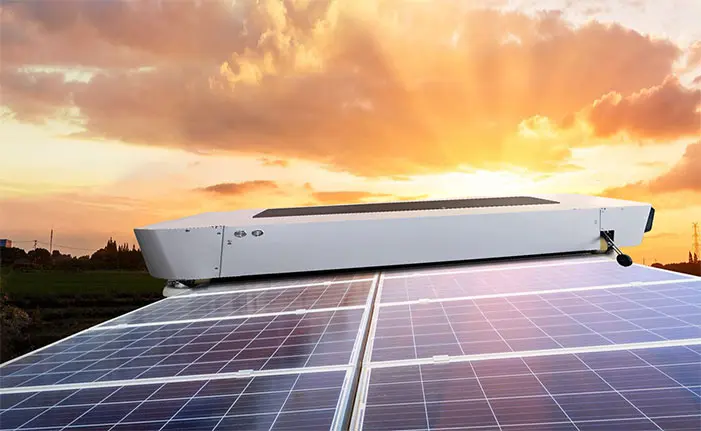
Maintain peak power production across large utility installations and commercial rooftops with intelligent dust-sensing robotic cleaners.
Ergonomic motorized washing brushes delivering high rotation torque and water spray nozzles for rooftop distributed generation arrays.
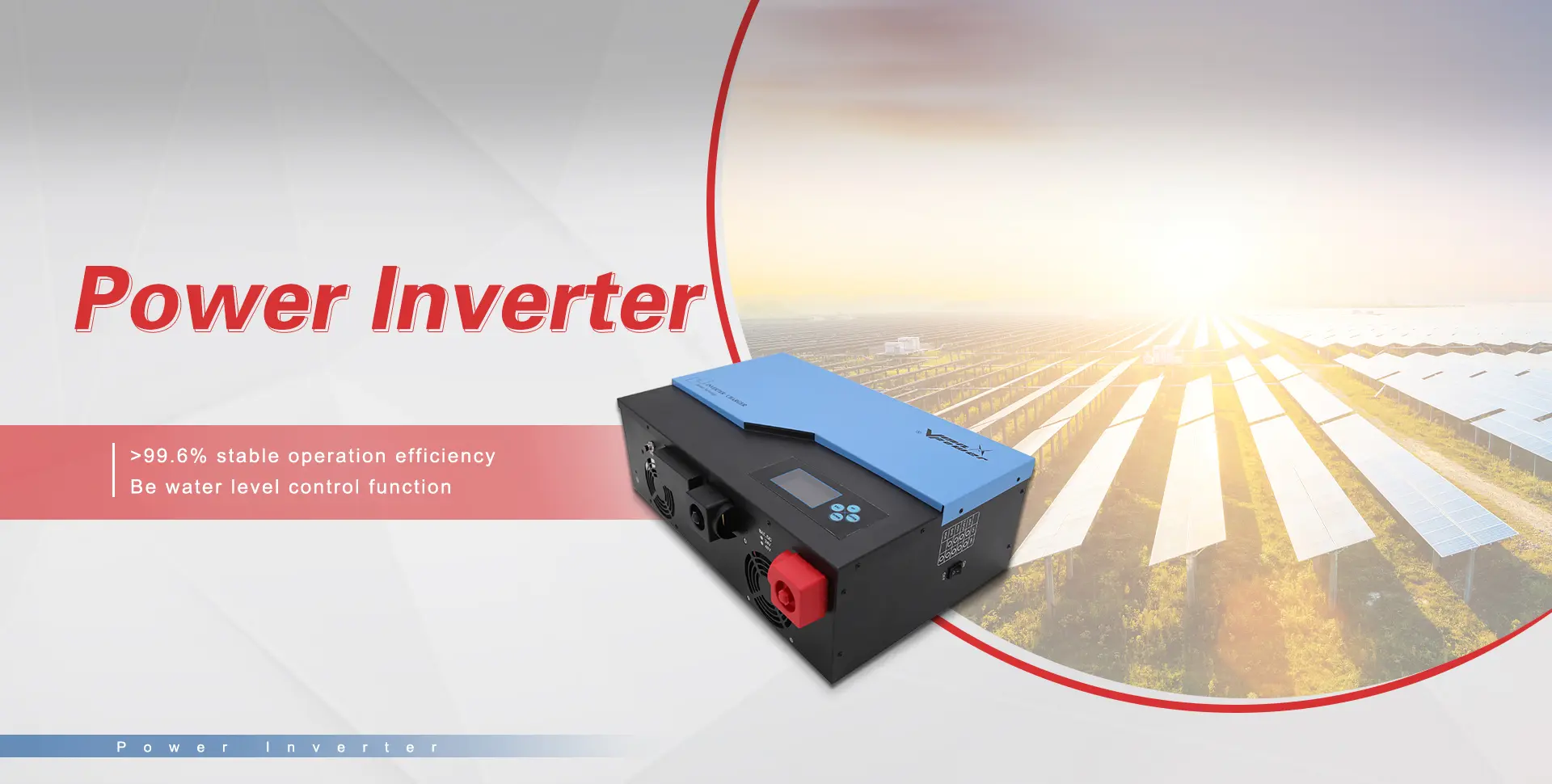
Rugged, isolated industrial power inverters designed specifically to absorb electrical motor inrush surges and stabilize irregular generator inputs.
Grid-interactive bidirectional storage inverters designed for commercial microgrids, utility arbitrage, and rapid zero-delay backup operation.
Automated manufacturing cell balancing, thermal runaway mitigation, and extreme lifecycle durability for residential and commercial ESS.
Maximize direct self-consumption and utility feed-in revenue with ultra-high conversion efficiency and comprehensive cloud monitoring.
Completely independent, autonomous electrical infrastructure delivering reliable power to remote locations, agricultural hubs, and microgrids.
Access dedicated product series specifications, technical downloads, and project quotation portals:
Submit your project location, single-line diagrams, or inductive load profile. Receive custom balance-of-system (BOS) sizing, pricing, and factory compliance certifications within 24 business hours.