Factory-tested, fully compatible electrochemical storage modules, hybrid inverter solutions, and robotic maintenance platforms engineered for utility, C&I, and off-grid reliability.
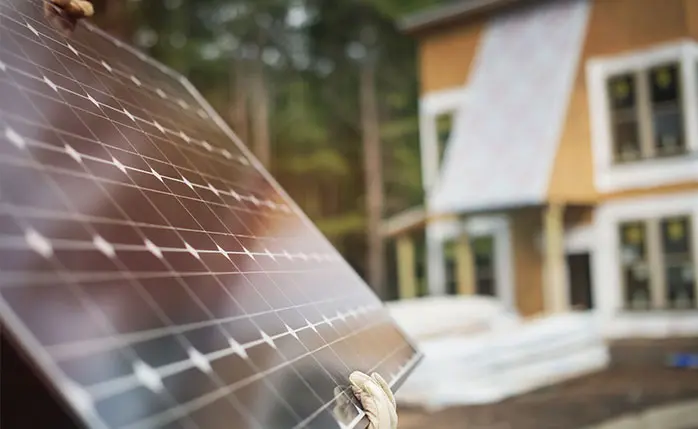
High-cycle LiFePO4 rack and wall-mounted deep-cycle storage systems engineered with smart cell balancing BMS.
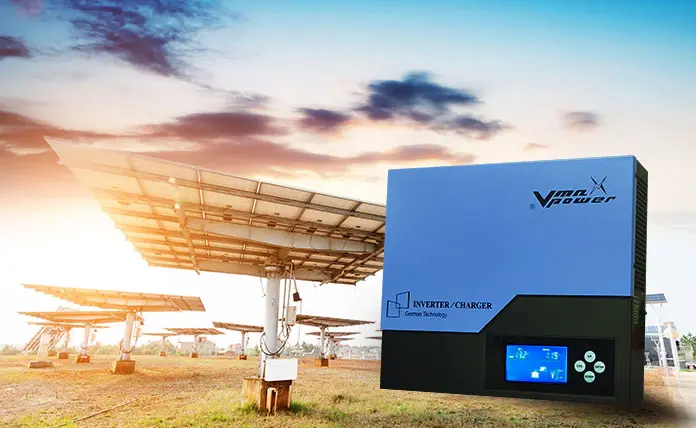
Toroidal transformer-driven power converters built for continuous heavy inductive loads and weak-grid environments.
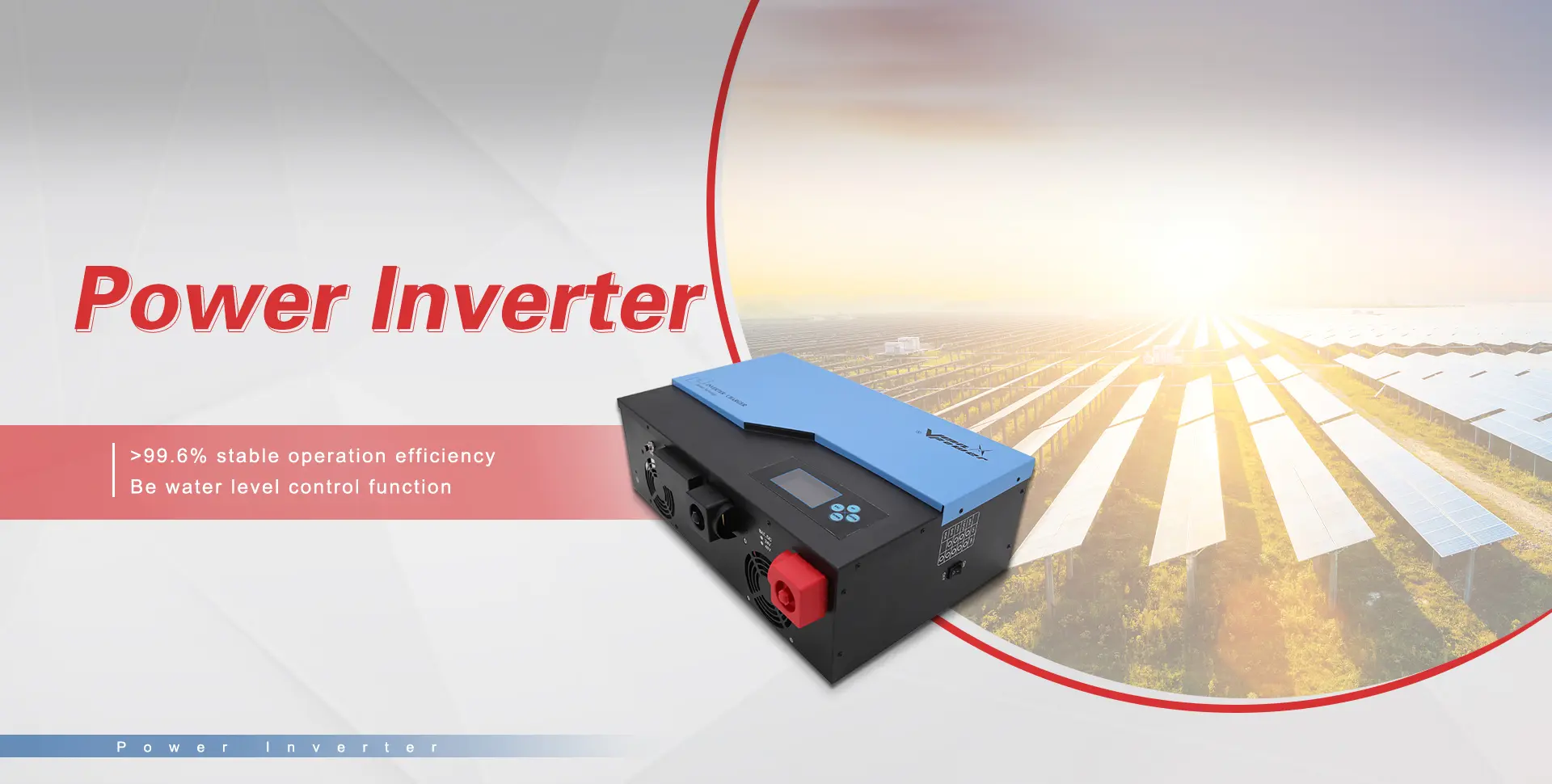
Bi-directional multi-mode hybrid PCS for seamless on-grid export, UPS switching, and smart load management.
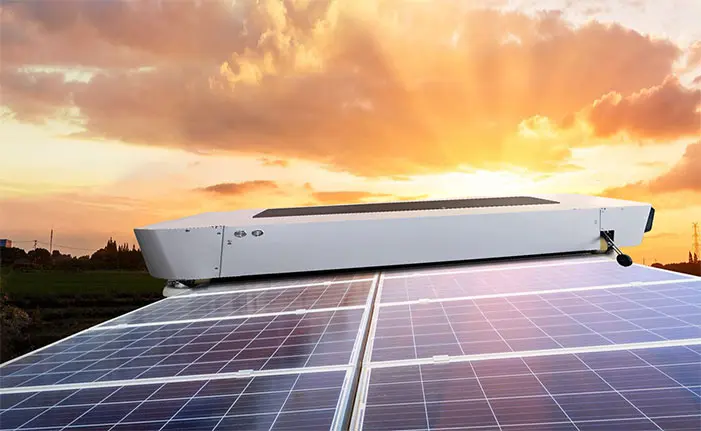
Patented automated dry/wet cleaning crawler to eliminate soiling losses on commercial and utility ground arrays.
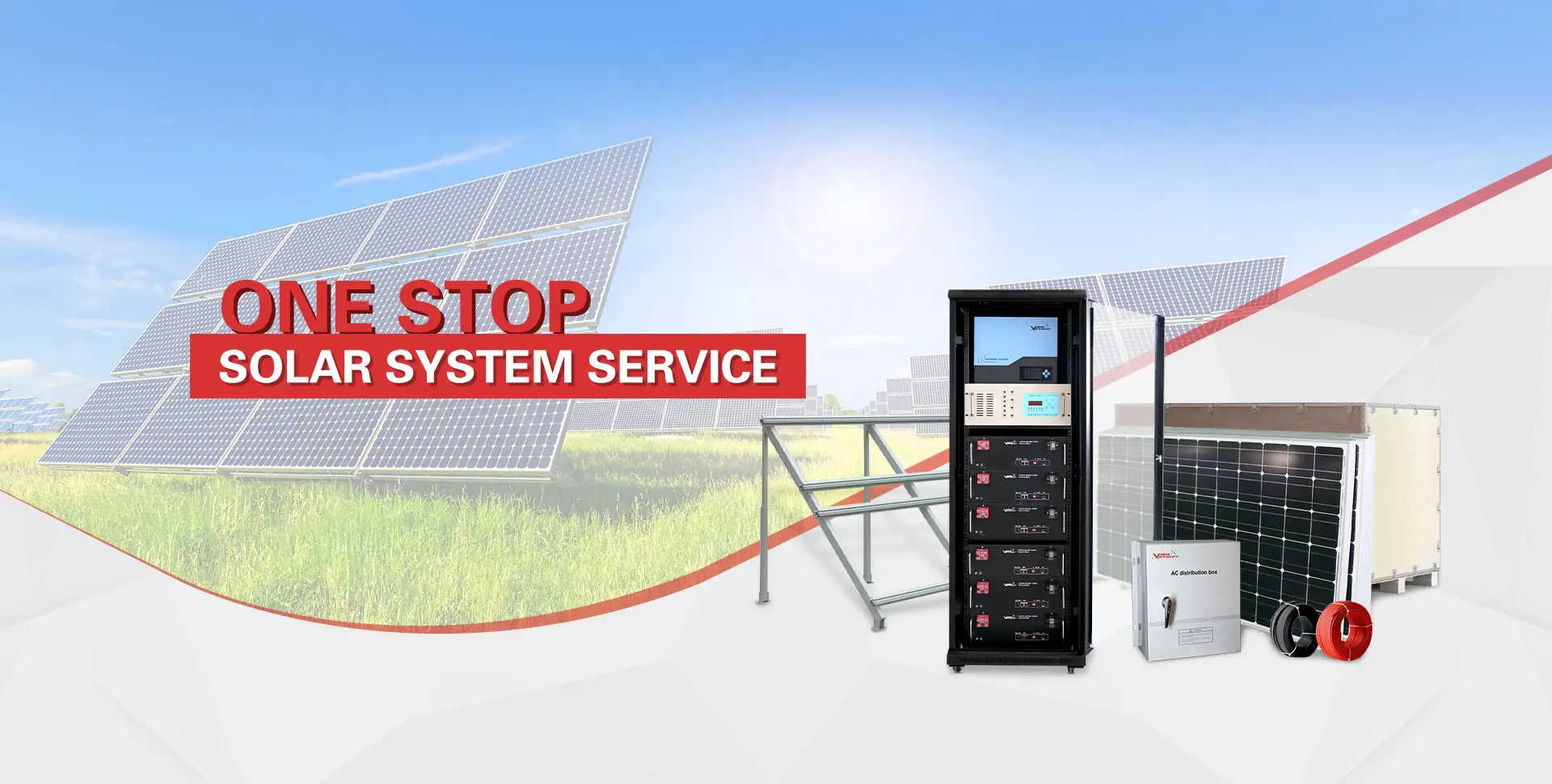
Pre-engineered turnkey packages including matched panels, battery storage, balance of system cables, and racking.
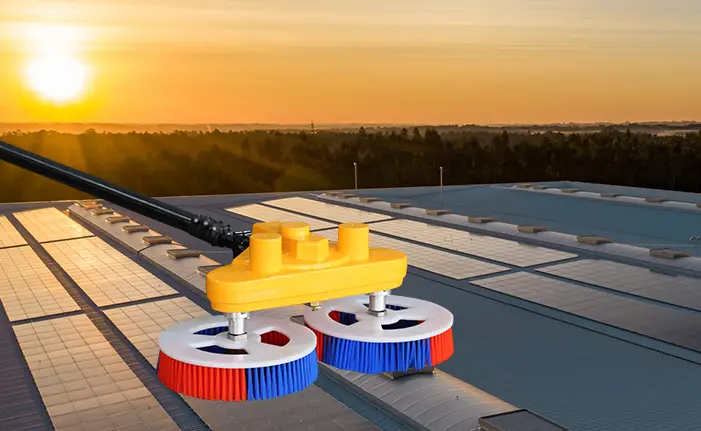
Double-headed high-torque counter-rotating brushes designed for rapid, low-labor rooftop PV array washdowns.
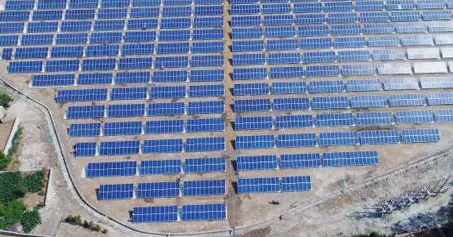
Self-sufficient standalone micro-generation stations designed for remote regions, island power, and telecommunications.
High power-density transformerless power conversion with high peak conversion efficiency for residential projects.
Understanding the electrochemical price breakdown, Levelized Cost of Storage (LCOS), and upstream supply chain normalization driving down China factory-gate pricing.
The worldwide energy transition has shifted battery energy storage systems (BESS) from an ancillary technology to a central pillar of grid stability, commercial resilience, and off-grid independence. Historically constrained by volatile raw lithium pricing, the global market for solar batteries—especially Lithium Iron Phosphate (LiFePO4 / LFP)—has experienced a historic deflationary curve. Over the past 24 months, prices of battery-grade lithium carbonate (Li2CO3) inside China stabilized below $14,000–$15,000 per metric ton, plunging factory-gate cell prices down to sub-$0.05/Wh levels.
As the world's primary electrochemical manufacturing engine, China produces more than 75% of global lithium cells and over 85% of active cathode materials. For engineering, procurement, and construction (EPC) contractors, solar distributors, and commercial plant operators, sourcing directly from audited Chinese high-tech manufacturers such as Beijing Multifit Electrical Technology Co., Ltd. (VMAX POWER) yields substantial CapEx savings while ensuring certified compliance with CE, TUV, and IEC standards.
| Battery Architecture / Technology | Nominal Voltage & Chemistry | Cycle Life (@80% DoD, 25°C) | Indicative Price Range (FOB China) | Ideal Procurement Application |
|---|---|---|---|---|
| Low-Voltage Rack LiFePO4 (LV) | 51.2V / 100Ah–200Ah (LFP) | 6,000+ Cycles | $85 – $115 / kWh | Residential hybrid & small commercial microgrids |
| High-Voltage Industrial Cabinet (HV) | 204.8V – 614.4V Stackable (LFP) | 6,500 – 8,000 Cycles | $98 – $135 / kWh | Factory peak-shaving, commercial rooftop BOS |
| Containerized Utility BESS (BPS/Liquid) | 1000V – 1500V Container (LFP) | 8,000 – 10,000 Cycles | $80 – $105 / kWh | Centralized solar farms, frequency regulation |
| Deep-Cycle Gel / Lead-Carbon | 12V / 100Ah–250Ah (VRLA/Carbon) | 1,800 – 3,000 Cycles | $55 – $75 / kWh | Telecom towers, budget off-grid lighting & rural power |
| Sodium-Ion (Na-Ion) Module (Emerging) | 48V / 50Ah–100Ah (NFPP/Prussian Blue) | 4,000 – 5,000 Cycles | $65 – $85 / kWh | Extreme sub-zero operations (-30°C to +55°C) |
The stabilization of raw material inputs allows Chinese Tier-1 suppliers to contract on firm, index-linked pricing schedules, eliminating unexpected mid-project price spikes for global EPC developers.
Advanced digital Battery Management Systems continuously supervise State of Charge (SOC), State of Health (SOH), and balance cell voltages at millivolt precision, guaranteeing safe, 15-year operational lifespans.
By pairing high-density lithium storage with low-frequency toroidal or high-frequency hybrid inverters, balance of system (BOS) integration costs drop by an additional 12% to 18% versus multi-vendor sourcing.
Pioneering advancements in liquid thermal dissipation, solid-state electrochemistry, and AI-supervised cloud telemetry.
Traditional forced-air HVAC cooling is yielding to liquid cold-plate distribution. By keeping cell-to-cell delta-T below 3°C, thermal degradation is curbed, boosting battery pack life cycles by over 20% in ambient temperatures above 45°C.
For harsh sub-zero climates and stationary off-grid installations where gravimetric energy density is non-critical, sodium-ion batteries provide a resilient, zero-cobalt, zero-lithium alternative with superior safety performance and thermal runaway resistance.
Solid-electrolyte interfaces (SEI) with gel-polymer or semi-solid chemistries are entering pilot utility production, promising energy densities over 350 Wh/kg and virtually eliminating combustible electrolyte vapor hazards in sensitive installations.
From remote mining sites and factory peak-shaving to agricultural water pumping and desert microgrids.
In regions with dynamic Time-of-Use (TOU) billing, energy storage charges during super-off-peak daylight hours via solar PV and discharges during peak industrial tariff windows. This strategy slashes capacity demand surcharges by up to 45% for energy-intensive manufacturing operations.
Off-grid habitats, eco-resorts, and mining installations frequently rely on costly diesel generators ($0.35–$0.60/kWh operational cost). Integrating a high-capacity solar battery array backed by low-frequency inverters reduces fuel runtime by 70% to 90%, delivering payback in under 36 months.
Farms and processing plants facing frequent voltage sags benefit from low-frequency toroidal transformer inverters coupled with LFP storage. The configuration handles massive motor starting currents for irrigation pumps and cold storage compressors without tripping or degrading grid-tied lines.
Why storage sizing calculations are ineffective without addressing array soiling losses and balanced power electronics.
An often overlooked variable in solar battery system design is module soiling. In arid, agricultural, and coastal deployment zones, dust and particulate accumulation causes daily generation losses ranging from 8% to more than 25%. System designers frequently oversize costly battery storage banks to compensate for deficient solar harvesting.
Beijing Multifit addresses this challenge directly. By incorporating autonomous solar panel cleaning robots or semi-automated double-headed cleaning brushes into project O&M, solar yields remain optimized at peak generation potential. This protects battery charge curves, prevents partial-state-of-charge (PSoC) battery sulfation or imbalance, and allows accurate, cost-effective battery sizing.
Selecting the ideal power conversion system (PCS) directly influences battery performance and operational life:
Low-Frequency Inverters: Equipped with heavy toroidal copper transformers, these units excel in off-grid industrial systems. Their galvanic isolation cushions battery packs against voltage transients and provides 300% surge capacity for heavy machinery.
High-Frequency Inverters: Optimized with DSP microprocessors, they boast conversion efficiencies up to 98% in lightweight footprints. They are the premier choice for sleek, residential high-voltage energy storage where space efficiency and quiet operation take precedence.
A listed high-tech clean energy manufacturer powering commercial and residential installations across 80+ nations since 2009.
Year Established
Over 15 Years of Dedicated Power Electronic R&D
Equity Listed Code
Transparent Corporate Governance & Financial Health
Patents & CE Certs
Independently Tested to TUV, IEC, and CE Standards
Export Countries
Global Distribution with Factory Direct OEM/ODM Support
Founded in the Beijing Economic & Technological Development Zone, Beijing Multifit Electrical Technology Co., Ltd. (operating the international brand VMAX POWER) provides global energy procurement teams with an alternative to trading intermediaries. By running vertically integrated R&D laboratories, surface-mount technology (SMT) production lines, cell grading facilities, and turnkey project construction crews, Multifit guarantees strict adherence to ISO 9001 and ISO 14001 quality systems.
Whether designing an 800V high-voltage commercial containerized battery system or a remote residential solar setup, every battery rack and matched inverter undergo strict full-load burn-in testing before sea or air dispatch.
Explore factory-direct catalogs, system engineering quotes, and certified equipment manufactured for global installers.
Tier-grade monocrystalline PERC and TOPCon modules engineered for maximum irradiance yield and low degradation.
Utility-synchronized rooftop and ground-mount packages designed for rapid payback and net metering return.
Solid-state conversion topologies for pure sine-wave stability across demanding industrial equipment.
Ultra-fast Maximum Power Point Tracking (MPPT) regulators optimizing charging efficiency into 12V/24V/48V banks.
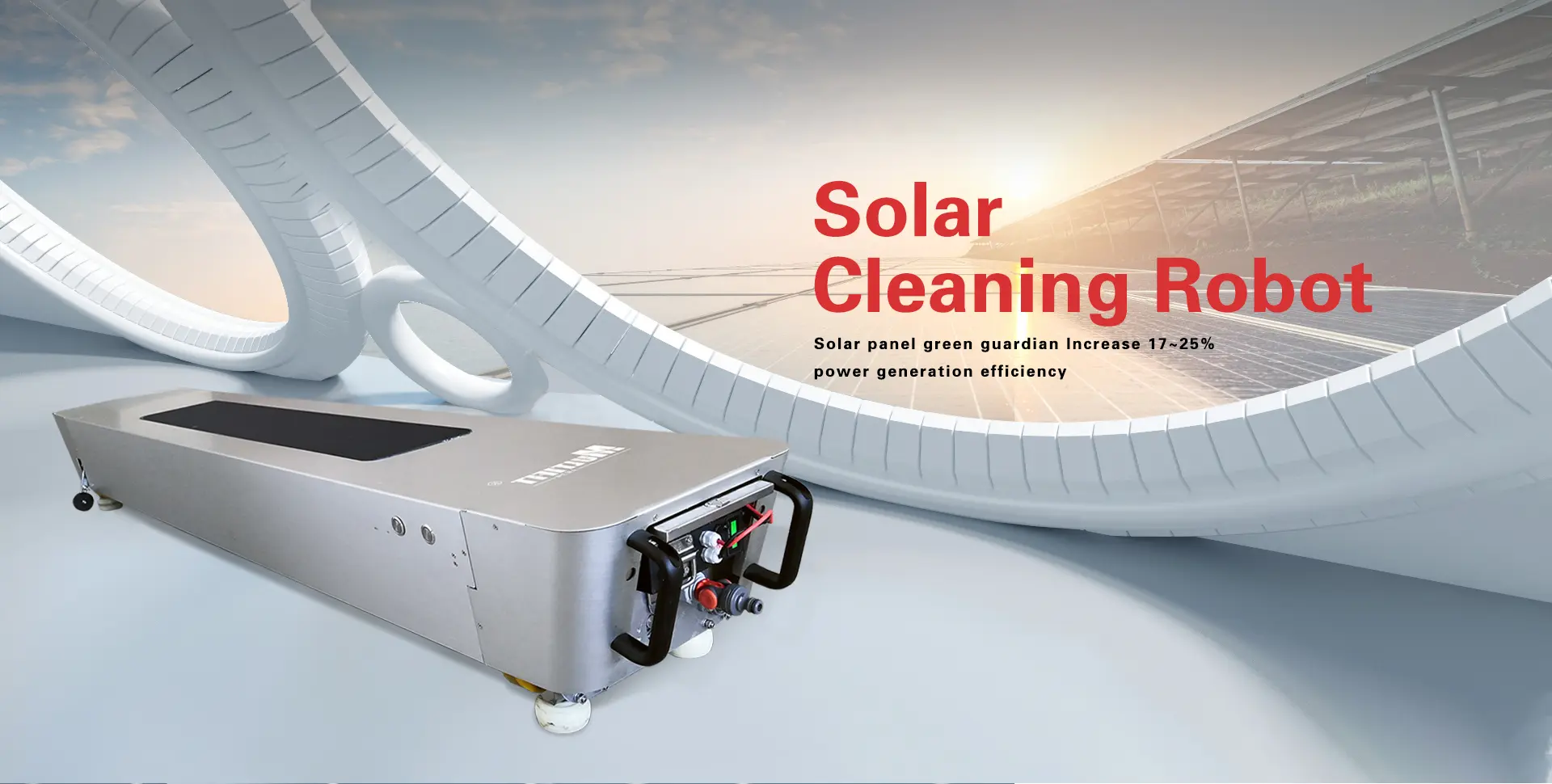
Comprehensive turnkey maintenance suites bundling automated cleaning apparatus, water filtrations, and drive units.

All-in-one commercial luminaires combining high-lumen LEDs, internal LiFePO4 batteries, and smart PIR sensors.

Industrial perimeter security and construction lighting with separate high-efficiency poly/mono panels and remotes.
Aesthetic municipal and architectural exterior illumination solutions with automated twilight sensors.
In-depth technical answers addressing cell quality, supply chain tariffs, safety certifications, and procurement economics.
Connect directly with Beijing Multifit application engineers to design your bespoke energy storage bank, calculate LCOS estimates, and obtain complete CE/TUV/IEC compliance documentation.