Factory-direct automated cleaning robots, high-torque brushes, and integrated photovoltaic subsystems engineered for durability in extreme operating climates.
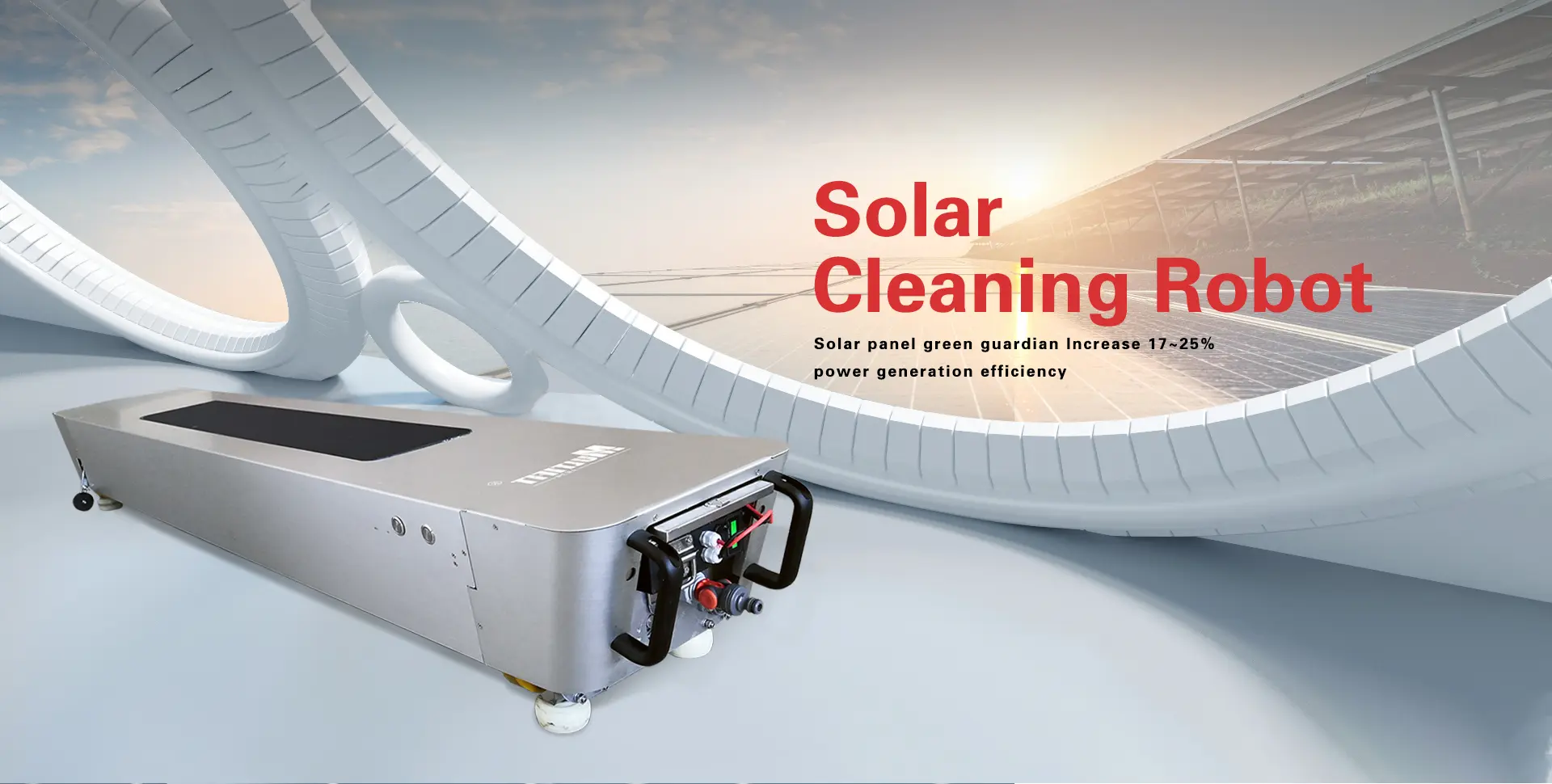
Designed for continuous string traverses. Featuring dual edge-detection sensors and waterless microfiber rollers.
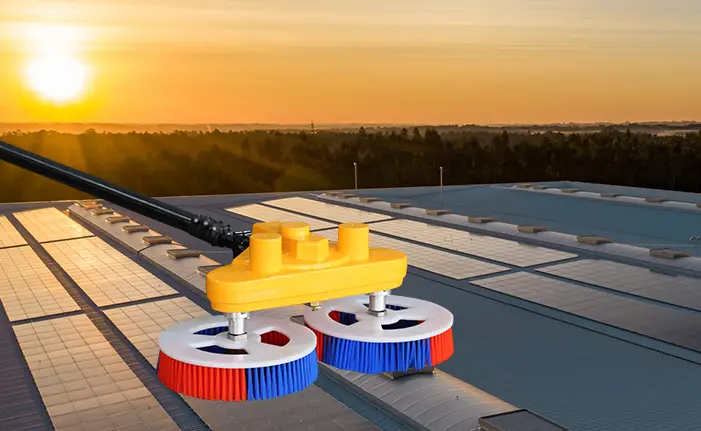
High-speed counter-rotating brush system with carbon-fiber telescopic arm for commercial C&I rooftop installations.
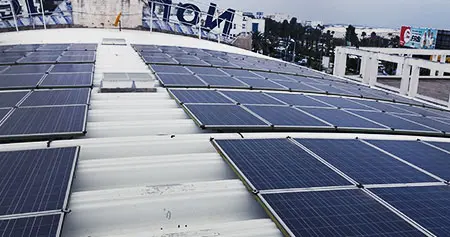
Factory-matched solar array combined with programmable track-bound robotic washer for isolated substations.
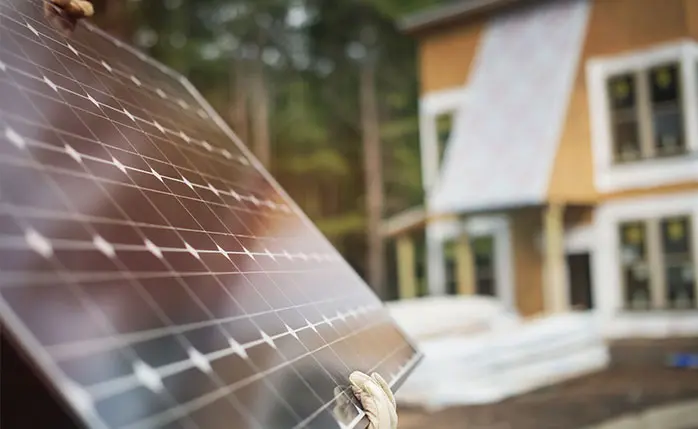
Integrated balance-of-system kit incorporating tier-one panels, matched power converter units, and centralized monitoring.
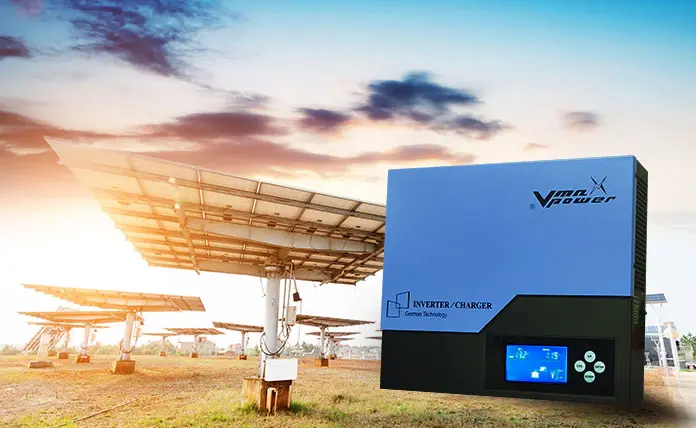
32-bit DSP micro-controlled pure sine wave inverter, equipped for extreme reactive loads and inductive surge protection.
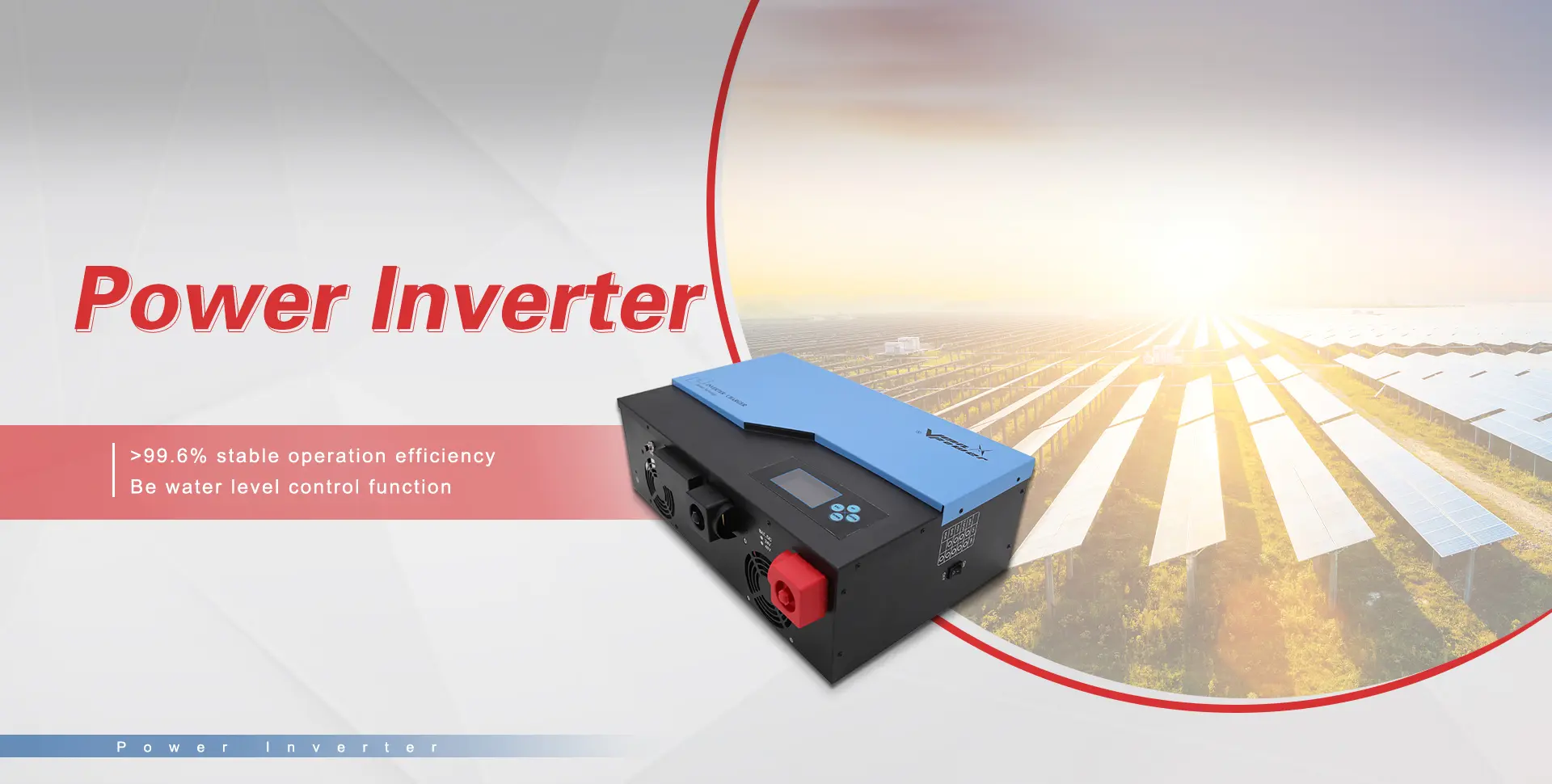
Compact footprint power conditioning unit with peak efficiency ratings exceeding 96.5% for distributed energy installations.
High-density lithium and gel battery configurations with intelligent BMS interface designed for autonomous off-grid stations.
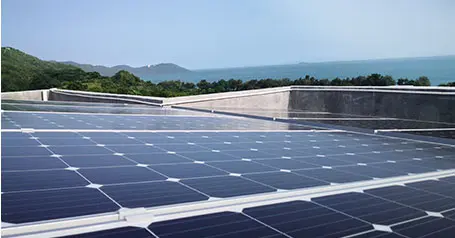
Designed for factory rooftops requiring synchronization with national utility networks and smart zero-export throttling.
Dust, sand, calcinated grime, and atmospheric biological deposits cause an estimated 3% to 40% loss in annual solar power yield worldwide. Here is how modern mechanized engineering mitigates levelized cost of energy (LCOE) degradation.
When fine sand particulates, pollen, or airborne chemical aerosols accumulate unevenly on solar panel arrays, they trigger critical shading phenomena. These non-uniform soiling patterns disrupt internal string current paths. Affected cells switch from power-generating mode to reverse-bias dissipative loads, causing extreme local temperature spikes known as solar hot spots.
Without structured mechanical intervention via high-precision máquinas de limpiar paneles solares, localized heat exceeding 120°C accelerates backsheet delamination, destroys ethylene-vinyl acetate (EVA) encapsulants, and creates irreversible microcracks in multi-busbar wafer structures.
Over 65% of the world's ground-mounted mega-solar farms are sited within high-irradiance deserts (MENA, Atacama, Sonoran, and Northwest China). In these arid belts, demineralized water costs exceed $35/m³ when accounting for transport logistics. Automated dry-cleaning robotic technology provides zero-water operational parity with 99.2% cleanliness indices.
Manual squeegee operations introduce erratic surface pressure that can crack photovoltaic microcells. High-voltage utility layouts also create hazardous conditions for cleaning crews working at height.
Deploying mechanized cleaning arrays replaces recurring labor contracts with fixed capital depreciation, slashing ongoing Operation & Maintenance (O&M) outlays by 50% to 70% over a typical 25-year asset lifespan.
Regular robotic cleaning runs ensure panels operate closer to their factory-rated PR (Performance Ratio), reducing debt service coverage strain and enhancing revenue predictability for bank-financed utility projects.
Established in 2009 inside the Beijing Economic & Technological Development Zone, Multifit (Equity Code 280768, operating internationally as VMAX POWER) bridges mechanical robotics with intelligent electrical power infrastructure.
Unlike trading middlemen, Multifit controls the entire manufacturing chain: CNC machining for lightweight robot chassis, SMT lines for circuit boards, high-grade polymer nylon brush extrusion, and toroidal transformer winding.
Every batch of cleaning machines undergoes multi-stage inspections, including 48-hour continuous run testing under dynamic inclines, ingress verification against dust (IP65/IP68), and static load tests on tempered solar glass.
We support global distributors, EPC contractors, and private brands with full private-label services, custom voltage adaptations, specialized mounting brackets, and tailored firmware for fleet management protocols.
Selecting the appropriate mechanical cleaning platform requires balancing water availability, structural array architecture, ground incline, and labor economics.
| Cleaning Methodology | Water Usage | Coverage Rate (m²/hr) | Primary Deployment Domain | Module Surface Stress | CapEx vs OpEx Factor |
|---|---|---|---|---|---|
| Autonomous Track Crawler Robot | 0 L / Zero-Water | 1,200 – 2,500 m²/h | Desert Utility Megawatt Installations | < 0.25 kPa (Microcrack Safe) | High CapEx / Ultra-Low OpEx |
| Dual-Head Rotary Electric Brush | Flexible (Dry / Wet) | 500 – 800 m²/h | Industrial Distributed Rooftops & Canopies | Operated via Telescopic Damping | Moderate CapEx / Low OpEx |
| Fixed Bridge Washers (Sprinklers) | High (2.5L / m²) | Instantaneous | Agricultural Agri-PV & High Chemical Fallout Sites | Static Spray Pressure | High Piping CapEx / High Water Costs |
| Manual Squeegee / Manual Crews | Very High (>4L / m²) | 80 – 150 m²/h per man | Small Residential Pitched Roofs | Risk of uneven operator footfall load | Low CapEx / High Recurring OpEx |
Our industrial products are deployed across Latin America, Europe, Southeast Asia, and the Middle East, configured to meet stringent local grid codes and industrial safety standards.
All equipment carries validated CE, TUV, and IEC certifications, ensuring frictionless customs clearance across the EU, Latin America, and North America. Certified to meet European Machinery Directive 2006/42/EC and Low Voltage Directive 2014/35/EU.
Proven in Chile's Atacama Desert, the Arabian Peninsula, and Northern Mexico. Our specialized anti-static polymer brushes sweep abrasive silica dust without scratching anti-reflective (ARC) glass coatings.
Tailored for rooftop arrays near cement works, steel mills, logistics centers, and agricultural zones where airborne grease, exhaust soot, and bird droppings require high-torque wet-wash scrubbing.
As solar PV sites expand into hundreds of contiguous hectares, maintenance is shifting from manual schedules to intelligent, data-driven automation.
Next-generation cleaning crawlers integrate miniature solid-state LiDAR sensors and machine-vision algorithms to detect panel misalignment, expansion gaps, and broken glass, adjusting their travel routes in real time.
Centralized weatherproof docking pods house automated battery charging docks, water-replenishment systems, and cellular telemetry links, enabling hands-off cleaning cycles across utility-scale arrays.
By connecting directly to SCADA systems and satellite weather forecasts, cleaning units deploy automatically before humidity hardens airborne dust into cemented crusts, maximizing overall recovery.
Clear, engineer-reviewed answers covering machinery performance, customization options, international logistics, and warranty coverage.
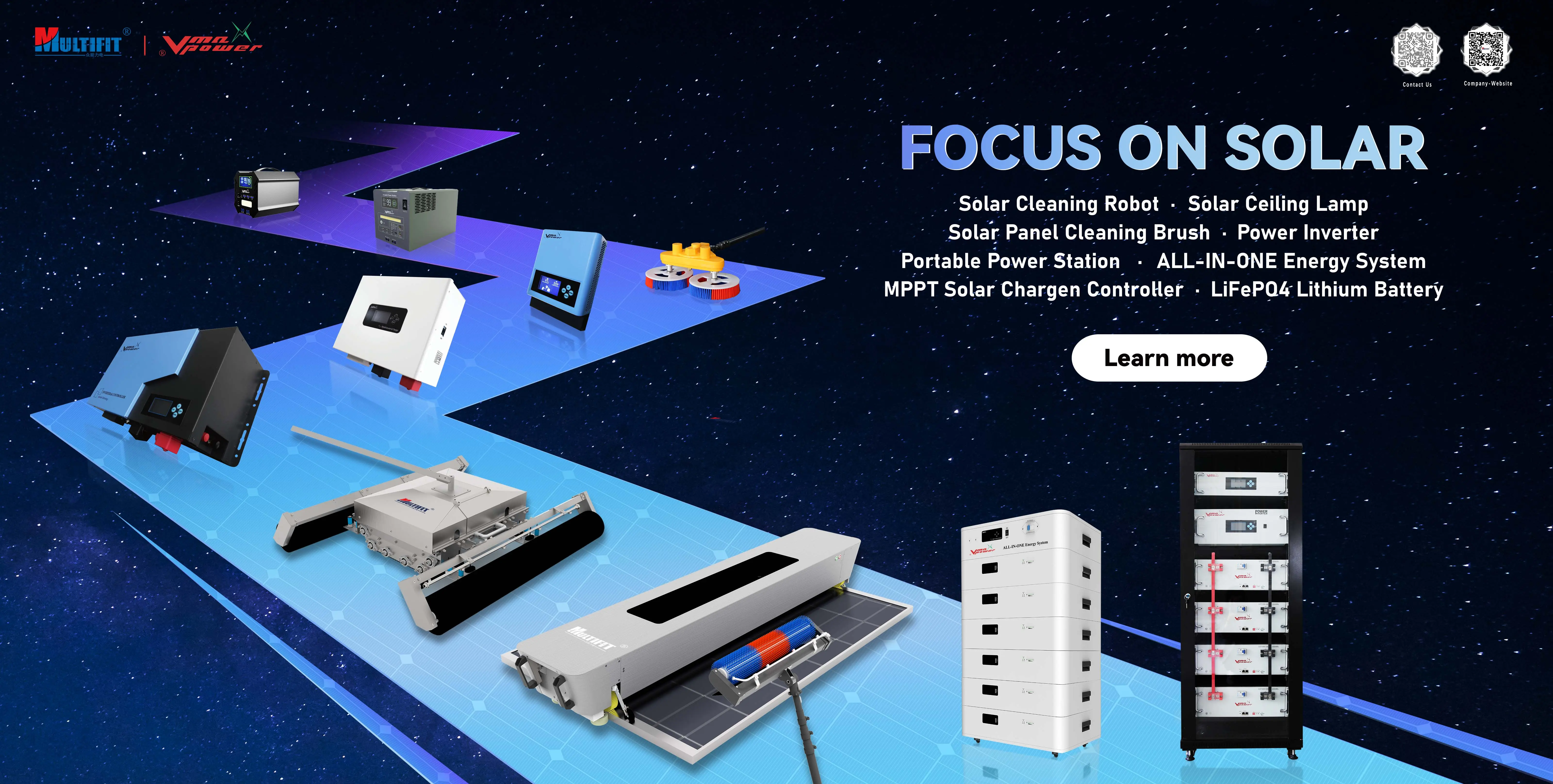
Explore our full line of power electronics, cleaning systems, and lighting solutions engineered to meet international project specifications.
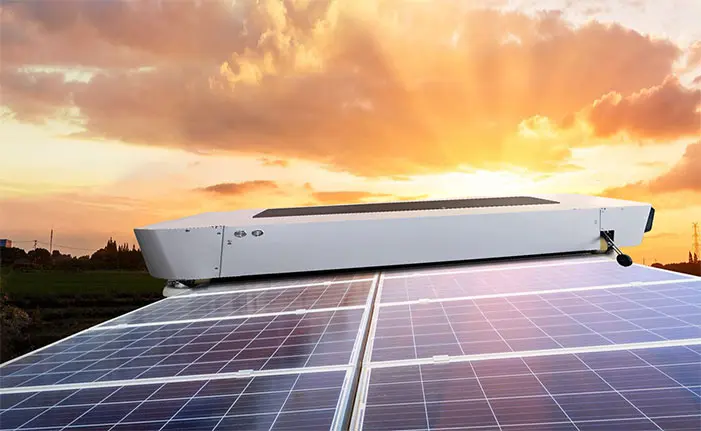
Specialized track tread designed for high-dust desert solar parks; provides waterless cleaning along long panel strings.
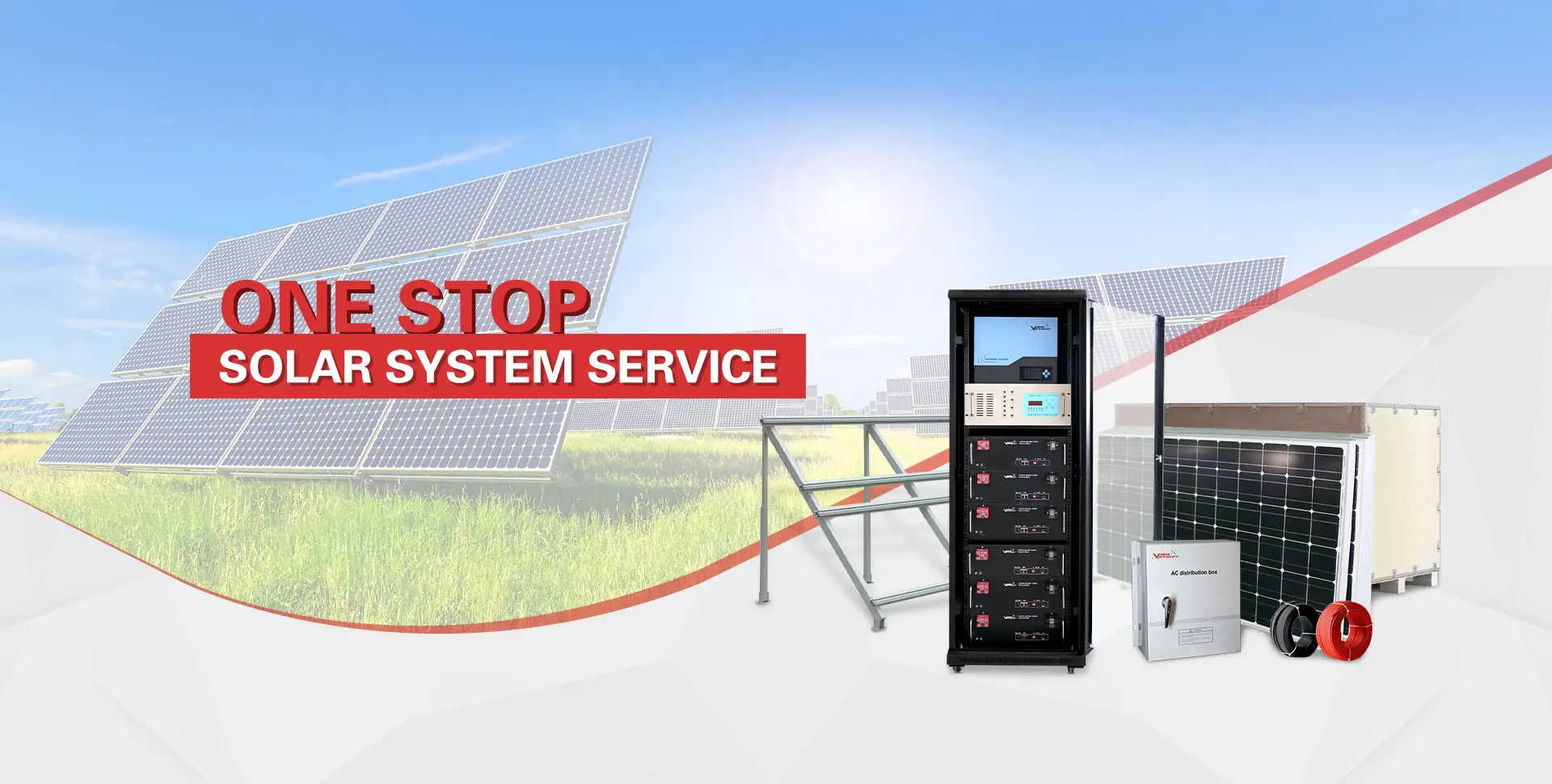
Designed for remote mines, agricultural ranches, and isolated microgrids needing dependable off-grid power.
Equipped with an integrated toroidal transformer and wide DC input range for commercial power installations.
Intelligent hybrid inverter supporting peak shaving, backup power mode, and dual battery management.
High-lumen LED luminaire with integrated optical distribution lenses and deep-cycle lithium storage cells.

Die-cast aluminum casing rated IP67 for perimeter security, construction yards, and rural access roads.
Designed for outdoor landscape lighting with automated dusk-to-dawn switching and intelligent dimming controls.
Combines monocrystalline panel, long-cycle battery, and LED fixture into a unified, easy-to-mount housing.
Share your project coordinates, module tilt angles, row lengths, and water availability. Our Beijing engineering hub will deliver a tailored cleaning solution and formal factory proposal within 24 hours.