Engineered for direct interoperability with residential, commercial, and microgrid installations. Direct factory configurations with tested BMS and PCS protocols.
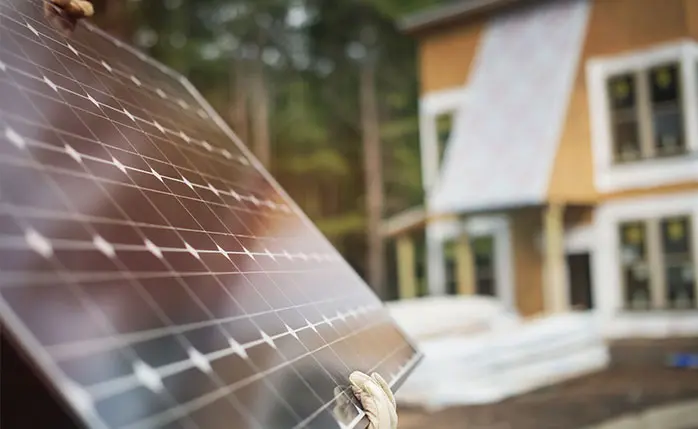
Matched bill-of-materials combining high-efficiency PV arrays, LiFePO4 cells, and multi-mode power converters.
Request Quotation →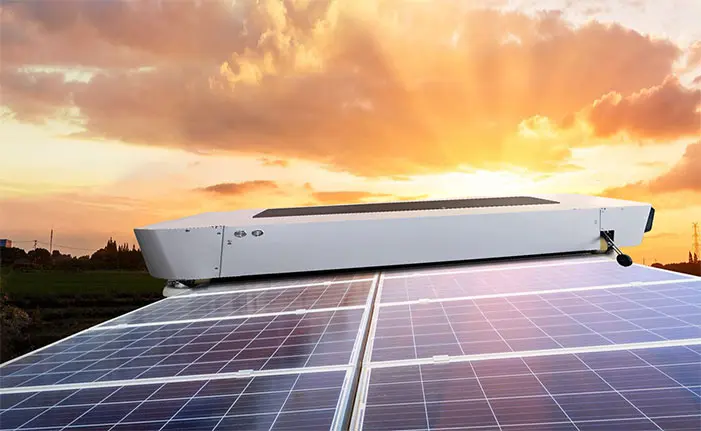
Autonomous crawler designed to eliminate thermal soiling losses in high-irradiance, hyper-arid regions.
Request Quotation →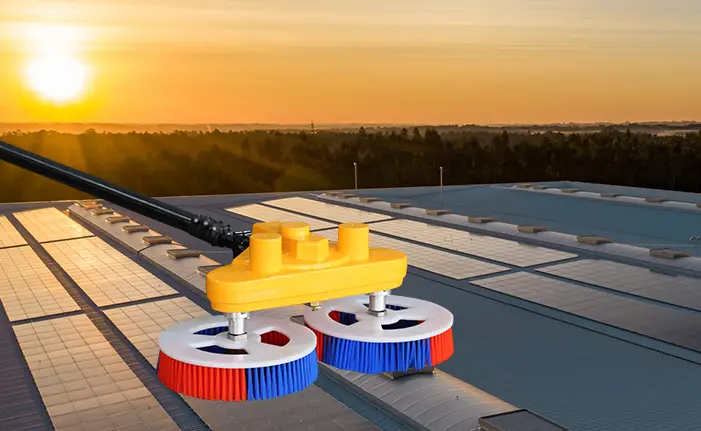
Dual rotary motorized scrubbing heads engineered for distributed industrial rooftop photovoltaic arrays.
Request Quotation →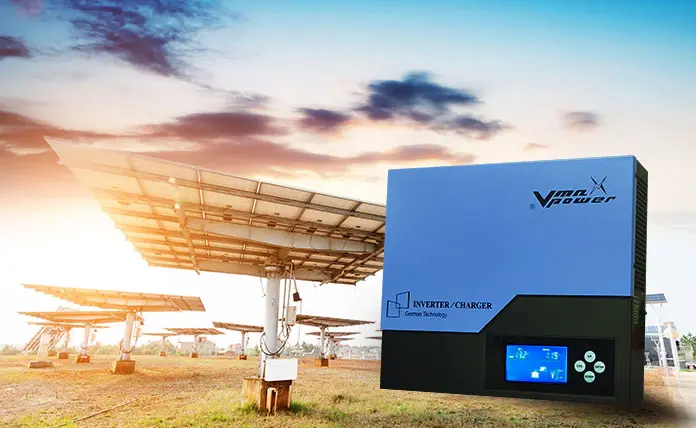
Toroidal transformer design with 3x surge capability for inductive loads, mining machinery, and weak grids.
Request Quotation →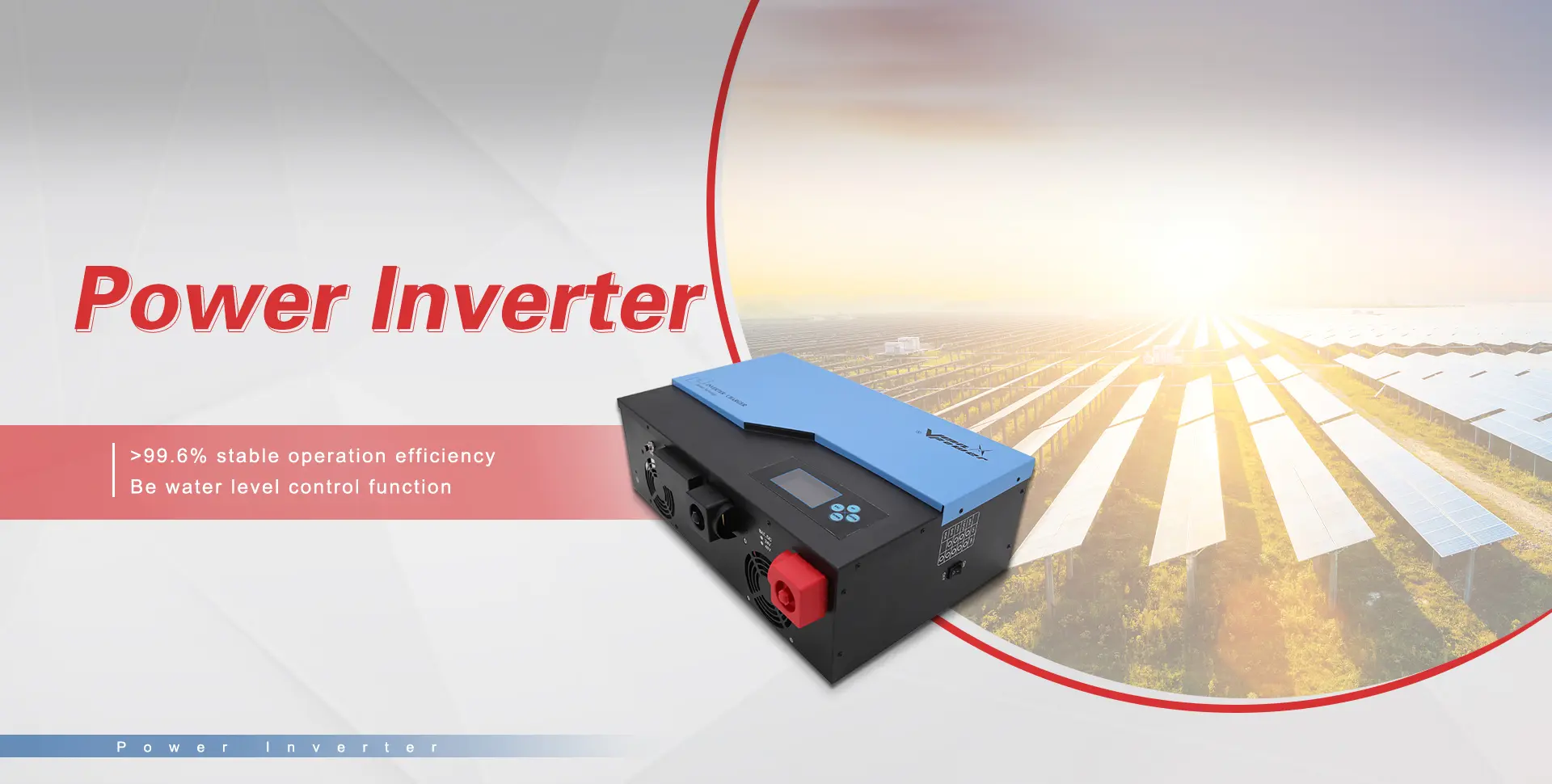
Hybrid bi-directional power conditioning system featuring millisecond grid-to-island switching protocols.
Request Quotation →
Deep-cycle lithium iron phosphate modules built with active balancing BMS and >6,000 cycle lives.
Request Quotation →
Integrated PV arrays paired with specialized self-cleaning mechanisms to mitigate severe degradation.
Request Quotation →
Transformerless high-frequency power switching architecture for compact, high-efficiency applications.
Request Quotation →An empirical evaluation of cell-level cost parity, refining concentration, and the competitive procurement landscape of Chinese energy storage systems (BESS).
Lithium Iron Phosphate (LiFePO4) cell costs in China have crossed historical thresholds, falling below $55-$68/kWh at the cell level and $88-$115/kWh at the packaged DC container level for utility scale, driven by cathode scale and supply chain vertical integration.
Over 72% of global lithium chemical refining, 85% of synthetic graphite anode manufacturing, and 78% of cathode precursor output reside within Chinese industrial clusters, minimizing cross-border freight friction and raw material tariffs.
Stationary ESS installations have overwhelmingly transitioned to prismatic LFP cells due to intrinsically superior thermal runaway margins (+270°C vs. +210°C for NMC), cobalt-free composition, and verified lifecycle profiles exceeding 6,000-8,000 cycles at 80% DoD.
| System Architecture | Cell Configuration | Nominal Voltage / Capacity | Cycle Durability (80% DoD) | Estimated Factory Price (FOB Ningbo/Tianjin) | Ideal Application Domain |
|---|---|---|---|---|---|
| Wall-Mounted Residential ESS | Prismatic LiFePO4 Grade-A | 51.2V / 100Ah (5.12 kWh) | ≥ 6,000 Cycles @ 0.5C | $720 - $950 / unit | Residential PV self-consumption, peak-shaving |
| Stackable Rack-Mount Unit | Prismatic LiFePO4 Module | 51.2V / 200Ah (10.24 kWh) | ≥ 6,500 Cycles @ 0.5C | $1,350 - $1,750 / unit | Luxury residential, light commercial backup |
| High-Voltage Commercial Cabinet | Series Pack Architecture | 384V - 768V / 100-280Ah (100-215 kWh) | ≥ 7,000 Cycles @ 0.5C/1C | $110 - $138 / kWh | Industrial peak management, EV rapid charging |
| Utility Containerized BESS (20ft/40ft) | Liquid-Cooled 280Ah / 314Ah Cells | 1000V - 1500V DC (1.5 MWh - 3.72 MWh) | ≥ 8,000 Cycles @ 0.5C | $88 - $112 / kWh | Grid arbitrage, frequency regulation, solar farms |
| Off-Grid Heavy Inductive Storage | Matched with Toroidal Inverter | 48V / 200Ah - 400Ah (9.6 - 19.2 kWh) | ≥ 5,500 Cycles @ 1C Surge | $130 - $160 / kWh | Mining camps, remote agricultural water pumping |
Beijing Multifit Electrical Technology Co., Ltd. (Equity Code 280768) translates vertical engineering depth into sustained quality, verified MTBF, and cost predictability for international project developers.
From cell stamping and laser welding to PCB surface-mount assembly of digital BMS boards, our production ecosystem sits within direct proximity of Tier-1 supply hubs, reducing lead times to under 21 calendar days.
Every lithium module undergoes automated OCV/ACIR sorting, 72-hour thermal stability burn-in tests, helium leak spectroscopy on cell seals, and comprehensive high-voltage isolation benchmarking before pack assembly.
Proprietary BMS designs integrate natively with major global inverter communication protocols (CANBUS 2.0B, RS485, Modbus TCP), enabling zero-configuration deployment with VMAX POWER, SMA, Victron, and Deye platforms.
As a publicly listed entity in Beijing since 2009, audited balance sheets, ISO 9001/14001 operational governance, and comprehensive liability insurance safeguard buyers against commercial project delivery default.
Energy storage is governed by ambient environmental physics, grid infrastructure stability, and operational load dynamics across distinct operational territories.
High ambient operating temperatures (up to 55°C) require intelligent HVAC or liquid-immersion thermal management to avoid capacity fade. Coupled with our Solar Cleaning Robots, dust-related optical degradation is eradicated, ensuring maximum daily ampere-hour throughput.
Unstable utilities require robust surge tolerance. Pairing our heavy-copper Low Frequency Inverters with 48V LiFePO4 banks allows agricultural facilities and rural clinics to ride through rolling brownouts without tripping sensitive electronics or pump drives.
With fluctuating Nord Pool and EPEX day-ahead power markets, our intelligent Energy Storage Inverters automate algorithmic charging during negative pricing periods and inject stored energy into peak industrial time slots, delivering sub-4-year financial ROI.
Salty, high-humidity offshore microgrids necessitate C5-M anti-corrosion rated enclosures, conformal coated BMS boards, and IP65 hermetic ingress protections to protect cells against catastrophic dendrite growth and dielectric tracking failure.
High-demand industrial customers use scalable high-voltage cabinets integrated with turnkey Solar Energy Systems to slash maximum peak demand charges imposed by electrical distribution utilities.
The next five years will fundamentally rewrite energy density benchmarks, low-temperature performance, and raw-material vulnerability in the stationary storage sector.
Standard 280Ah cells are rapidly yielding to 314Ah chemistries that retain the exact same 71173 dimensional envelope. This 12% energy density increment decreases system-level container footprints, reduces inter-cell busbar counts by 11%, and lowers balance-of-system (BOS) civil infrastructure expenses by nearly 8% per MWh.
For sub-zero climates (-40°C to +25°C) and regions without lithium mineral access, sodium-ion technology provides zero risk of thermal runaway, lower theoretical material costs, and discharge rates exceeding 3C. While volumetric density remains lower (140-160 Wh/kg), it serves as the ultimate solution for cold-climate microgrids.
Replacing volatile liquid organic electrolytes with hybrid gel or ceramic membranes increases thermal stability beyond 400°C, virtually eliminates oxygen release during physical puncture, and enables volumetric energy densities surpassing 350 Wh/L, drastically compacting residential and commercial installation volumes.
Deploying lithium infrastructure internationally requires strict adherence to global safety codes, fire containment benchmarks, and marine transportation protocols.
Mandatory certified transport testing verifying altitude simulation, thermal cycling, vibration resilience, mechanical shock, external short circuit, impact, and forced discharge.
Evaluation of secondary lithium cells and batteries for safety in industrial applications, covering propagation resistance, overcharge control, and structural casing containment.
North American thermal runaway fire propagation testing protocols. Verification that cascading cell failure does not exceed boundary fire containment ratings at rack scale.
Complete environmental and manufacturing traceability: full automated serialization of individual battery cells linked to upstream chemical batch numbers.
Detailed responses to the most critical technical and operational questions posed by international EPCs, distributors, and renewable energy buyers.
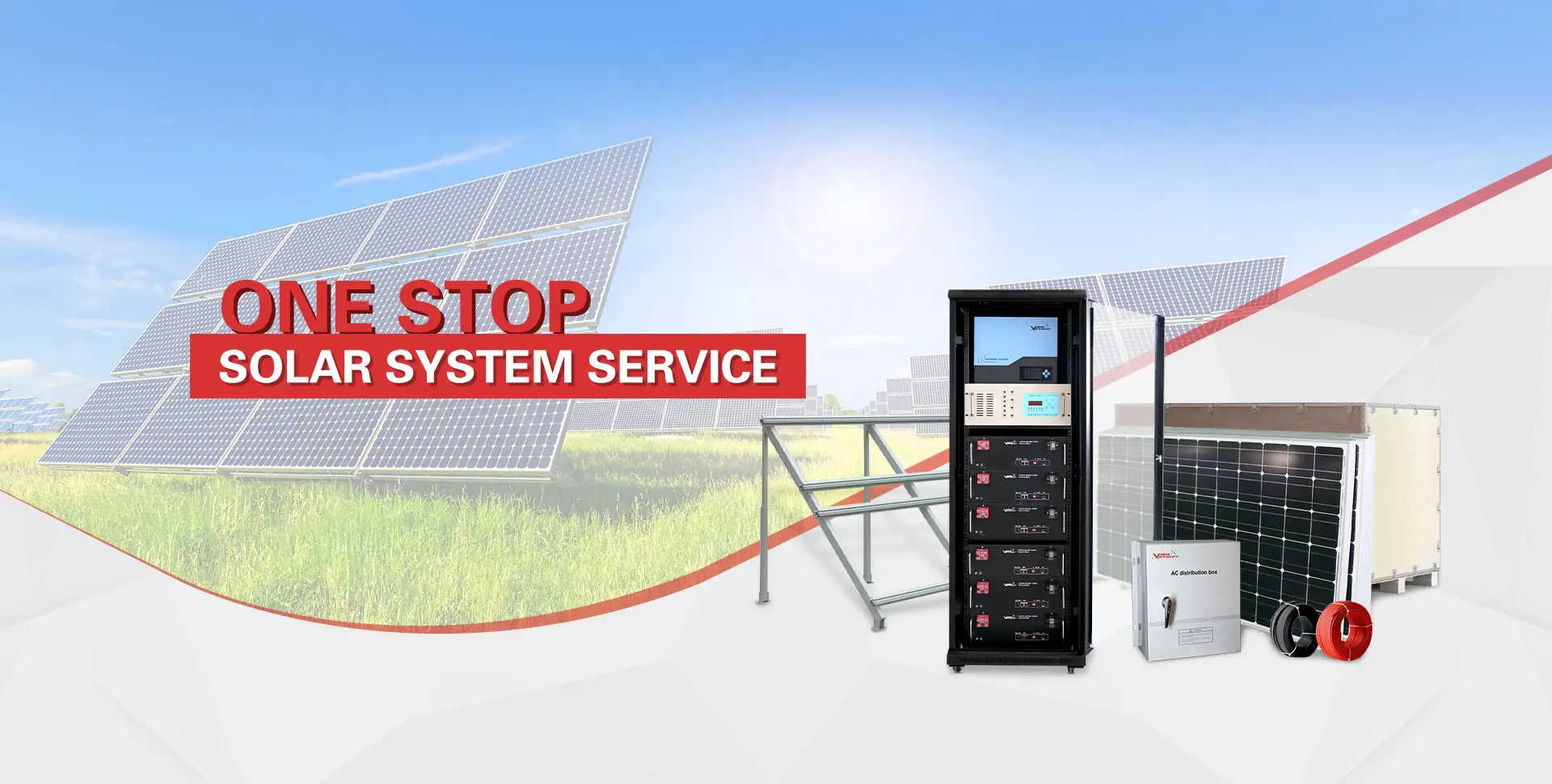
Comprehensive system hardware to complete your commercial, industrial, or municipal renewable generation project directly from the primary assembly plant.
Self-contained power infrastructure engineered for remote island, mining, and border station off-grid electrification.
Request Quotation →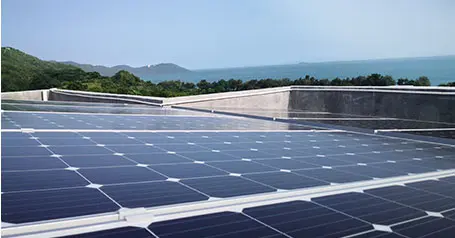
Utility-tied solar architecture optimized for rapid ROI, peak industrial shaving, and net-metering export schemes.
Request Quotation →
Pure sine wave industrial conversion equipment engineered to ensure harmonic distortion (THD) remains below 3%.
Request Quotation →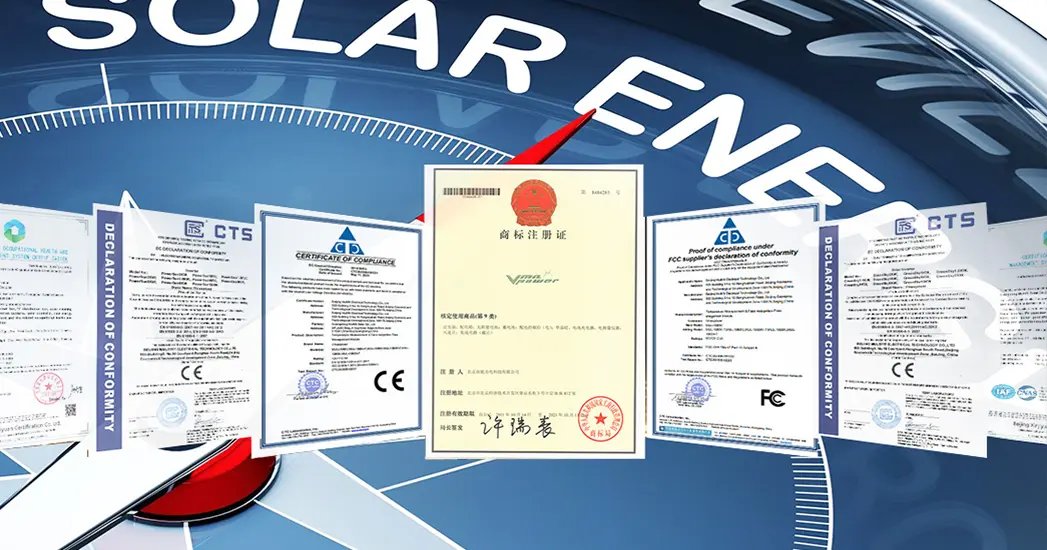
Ultra-fast maximum power point tracking charge controllers maximizing current conversion efficiency to 99.2%.
Request Quotation →
Heavy-duty aluminum die-cast optical floodlights equipped with integrated lithium storage for perimeter security.
Request Quotation →
High-aesthetic architectural autonomous lighting arrays utilizing robust micro-LiFePO4 battery modules.
Request Quotation →
Integrated streetlighting combining monocrystalline PV, intelligent PIR sensors, and high-cycle storage cells.
Request Quotation →
TOPCon and PERC high-transmittance monocrystalline photovoltaic modules for commercial scale installations.
Request Quotation →Our direct Beijing engineering team reviews your site load profile, daily peak sun hours (PSH), ambient temperature swings, and utility interconnection constraints to deliver an optimized system layout and formal quotation.