
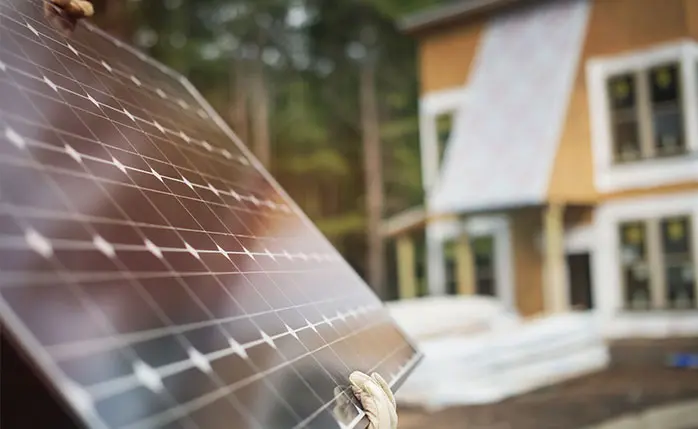
Complete Solution
Complete Modular Solar Energy Systems
Factory-matched PV modules, hybrid inverters, and powerwall units engineered for rapid residential deployment.
Source Solar SystemsPre-engineered hardware validated for seamless DIY modular expansion, complete commercial scalability, and maximum thermodynamic safety.
Factory-matched PV modules, hybrid inverters, and powerwall units engineered for rapid residential deployment.
Source Solar Systems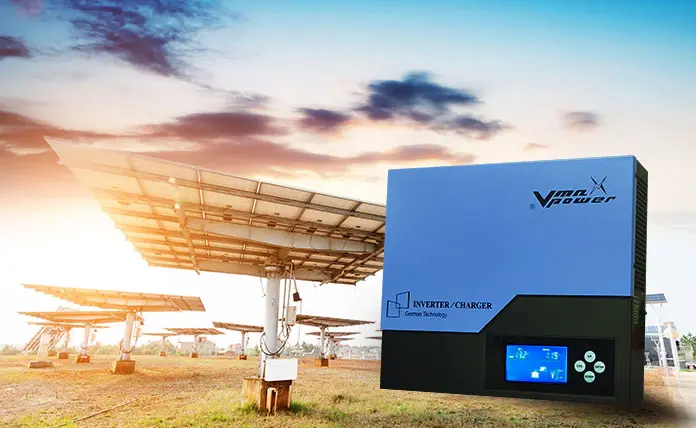
Featuring a toroidal pure copper transformer and 32-bit CPU, engineered for peak inductive DIY workshop loads.
View LF Inverters
Automotive-grade LiFePO4 cells optimized for custom DIY Powerwall enclosures with native multi-protocol RS485/CAN bus.
View Battery Packs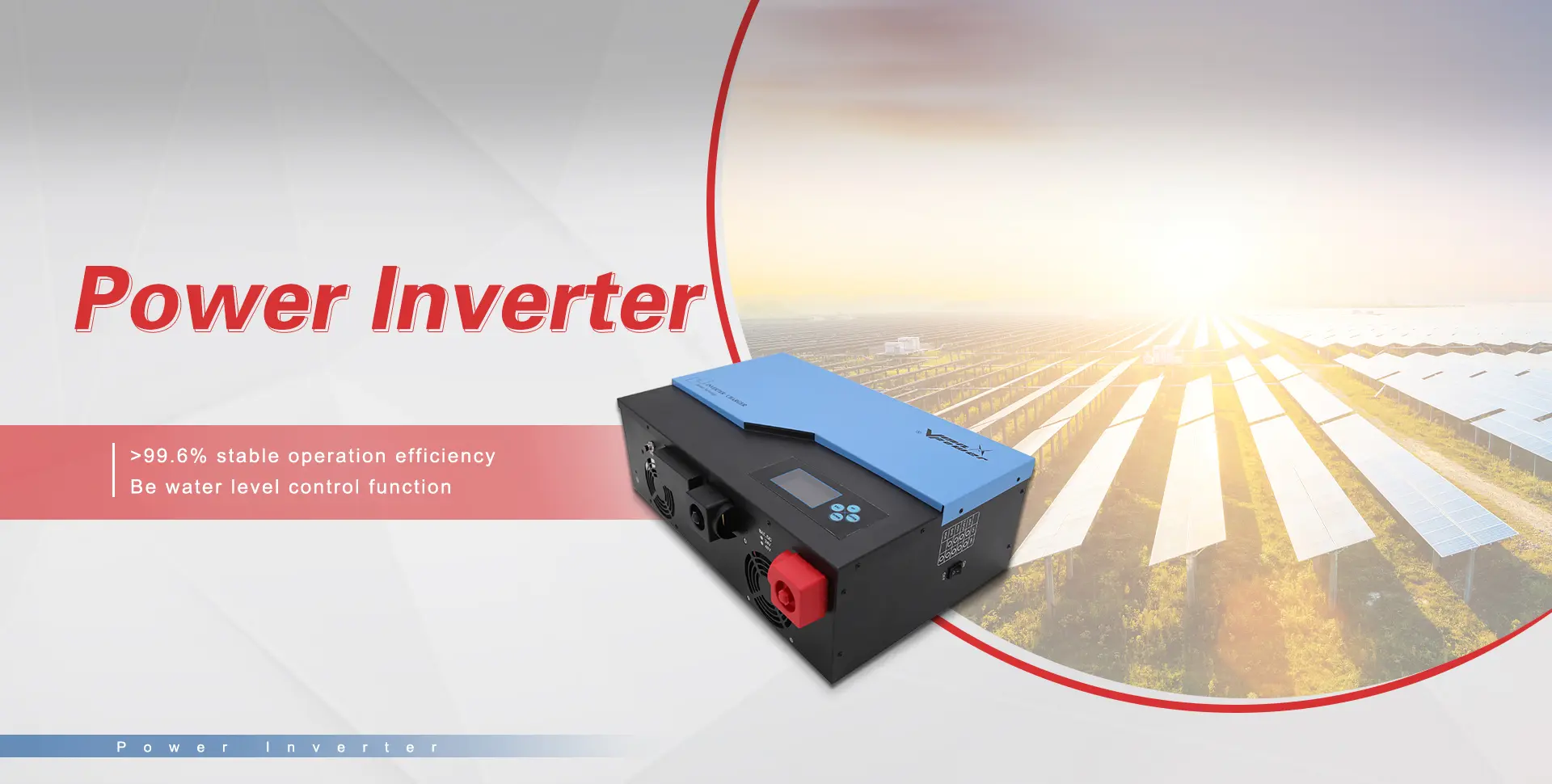
Bidirectional AC-coupled and DC-coupled hybrid inverter supporting seamless powerwall peak shaving and microgrid control.
Explore Hybrid Units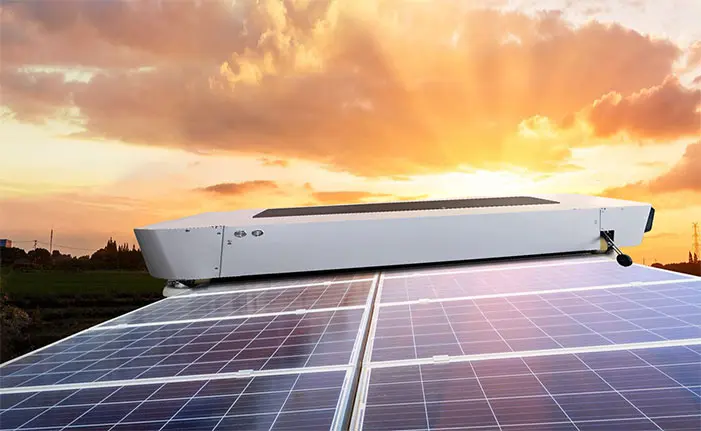
Prevent yield degradation; waterless smart robotic crawler protecting high-density solar arrays feeding DIY battery banks.
Inspect Robotics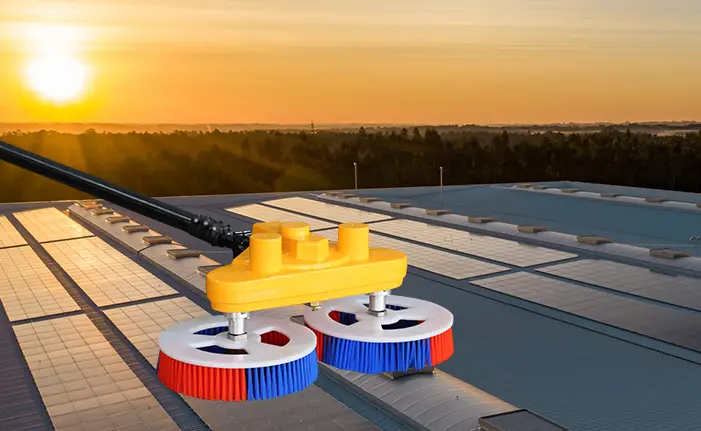
Lightweight double-headed motor-driven cleaning tool ensuring maximum irradiation reach to energy storage banks.
Cleaning Equipment
Ultra-efficient high frequency topology optimized for space-constrained DIY home enclosures and light commercial racks.
HF Inverter Specs
Autonomous off-grid package combining smart battery charge controllers, deep LiFePO4 packs, and clean waveform outputs.
Off-Grid SystemsThe global energy storage landscape is experiencing an engineering transformation. Learn how Tier-1 Chinese manufacturing bridges the gap between expensive closed-ecosystem batteries and modular, open-source industrial resilience.
Closed-loop, proprietary residential energy storage systems frequently carry exorbitant installation premiums exceeding $800 to $1,100 per usable kilowatt-hour. By decoupling the mechanical enclosure, precision cell grouping, and smart programmable BMS from proprietary clouds, our DIY Powerwall factory platforms slash system costs down to $140–$220/kWh. This dramatically accelerates ROI for commercial microgrids, off-grid operators, and residential regional aggregators.
Unlike early consumer powerwalls utilizing volatile Nickel Manganese Cobalt (NMC) chemistries, VMAX POWER platforms exclusively engineer Lithium Iron Phosphate (LiFePO4). With a thermal runaway threshold exceeding 270°C and non-combustible olivine crystal structures, our cells provide structural integrity across high charge-discharge C-rates, surviving aggressive industrial operational profiles where consumer batteries fail.
One of the greatest points of failure for DIY energy integrators is software mismatch. Our factory-configured battery management architectures natively integrate CAN bus, RS485, and Modbus RTU protocols. Whether communicating with our low frequency toroidal inverter chargers, high frequency modular arrays, or third-party brands, our telemetry guarantees real-time State-of-Charge (SoC) and cell voltage parity.
From extreme climate pressures on Western grids to explosive diesel-replacement demands across emerging economies, decentralized battery energy storage systems (BESS) represent critical infrastructure.
Surging Time-of-Use (TOU) utility rates and severe grid destabilization have transformed residential and small-commercial power storage. DIY powerwall kits and modular battery server racks allow end-users to participate in grid frequency response, store ultra-cheap midnight energy, and avoid punitive evening peak demand tariffs.
In developing markets, energy access is dictated by volatile diesel fuel logistics and weak transmission infrastructure. High-capacity DIY powerwalls connected to toroidal-transformer low frequency inverters provide clean, silent base-load power for agricultural cold chains, telecommunication towers, and rural clinics, paying for themselves in under 18 months via diesel displacement.
The commoditization of sub-par lithium cells on secondary markets poses acute fire and performance hazards. VMAX POWER guarantees raw materials authenticity via deep relationships with primary cell chemical foundries. We perform laser welding, computerized cell balancing, and rigorous factory stress testing under audited ISO 9001 systems before palletization.
Make data-backed decisions for commercial and distribution sourcing. Evaluate raw engineering specifications rather than marketing claims.
| Evaluation Parameter | VMAX POWER Industrial DIY Powerwall | Proprietary Residential Brands | Conventional Lead-Carbon / Gel Banks |
|---|---|---|---|
| Cell Chemistry & Structure | Automotive Grade-A Prismatic LiFePO4 | Proprietary Pouch/Cylindrical NMC or LFP | Deep-Cycle AGM / Lead-Acid VRLA |
| Usable Depth of Discharge (DoD) | 90% - 95% Continuously Rated | 80% - 90% Software Limited | 50% Maximum (Rapid Sulfation below 50%) |
| Lifecycle Expectancy (@ 80% Retained) | 6,000 - 8,000 Cycles @ 0.5C Standard | 3,000 - 4,500 Cycles Typical | 800 - 1,200 Cycles to 50% DoD |
| BMS Firmware Interoperability | Open Modbus / CAN Bus / Field Reprogrammable | Encrypted Closed-Cloud System | None / External Analog Sense Only |
| Maintenance & Field Servicability | Modular: Individual Cell & BMS Swappable | Monolithic: Complete Unit RMA Required | High Maintenance / Corrosive Terminal Upkeep |
| Average Sourcing Cost ($/kWh) | $140 – $220 / kWh (Direct Factory) | $750 – $1,100 / kWh (Excl. Proprietary Gateway) | $120 – $180 / kWh (High Replacements Cost) |
Founded in 2009 in the Beijing Economic & Technological Development Zone, VMAX POWER provides documented compliance, financial transparency, and genuine tier-1 factory warranties to project developers across 80+ countries.
Our facility runs automated optical inspection (AOI), high-voltage isolation breakdown tests, and cell impedance laser classification under ISO 9001 and ISO 14001 certified protocols, guaranteeing matched cell resistance within ±0.05 mΩ.
Our products comply with CE, TUV, and IEC testing mandates. Batteries and inverters include UN38.3 vibration/shock transport qualification, MSDS documentation, and UL9540A-aligned cell thermal runaway mitigation designs.
From detailed bill-of-materials sizing and single-line electrical schematics to field firmware debugging, our sales engineers provide direct English and Chinese consultation without language barriers or middleman delays.
Discover how system installers, microgrid engineers, and remote operators deploy VMAX POWER platforms in mission-critical environments.
Irrigation pumps present immense inductive surge spikes that trip standard high-frequency consumer batteries. Coupling our low frequency inverters featuring heavy toroidal transformers with high-discharge DIY powerwall banks delivers 300% surge capacity for 20 seconds, allowing uninterrupted deep-well water lifting in remote farms.
Remote telecommunication stations demand 48V/51.2V DC stability 24 hours a day, 365 days a year. Our server-rack compatible DIY form factors fit standard 19-inch cabinets, interfacing directly with telecom rectifiers and providing remote SNMP/Modbus alerting for off-site technicians.
In high-dust, arid desert environments, module soiling reduces PV battery charging currents by up to 35%. Pairing our modular energy storage with autonomous solar panel cleaning robots ensures maximum daily kWh capture to charge your powerwalls completely before sundown.
VMAX POWER continuously refines electrochemical integration, thermal dissipation materials, and cloud-edge intelligence. Here is our engineering trajectory through 2026 and beyond.
Pioneering drop-in sodium-ion secondary packs for extreme sub-zero operation (-30°C to +60°C) without parasitic heating blanket overheads.
Transitioning beyond traditional 48V low-voltage rails to 200V–800V DC bus modular architectures to slash copper cabling costs and line losses in C&I sites.
Deploying edge machine learning models directly on the BMS controller to predict single-cell internal resistance decay weeks before physical fault occurrence.
Developing ultra-dense non-flammable solid electrolyte cell test benches to boost volume-to-capacity metrics by over 40% for next-generation residential powerwalls.
Comprehensive technical clarity directly from our power storage design engineers.
Required Storage (kWh) = (Daily Consumption × Autonomy Days) / 0.90. Our dedicated applications engineering team provides free mathematical modeling and complete bill of materials matching for solar panels, charge controllers, and inverter configurations.
Complete your energy storage supply chain with certified, factory-direct components engineered to work reliably out of the box.
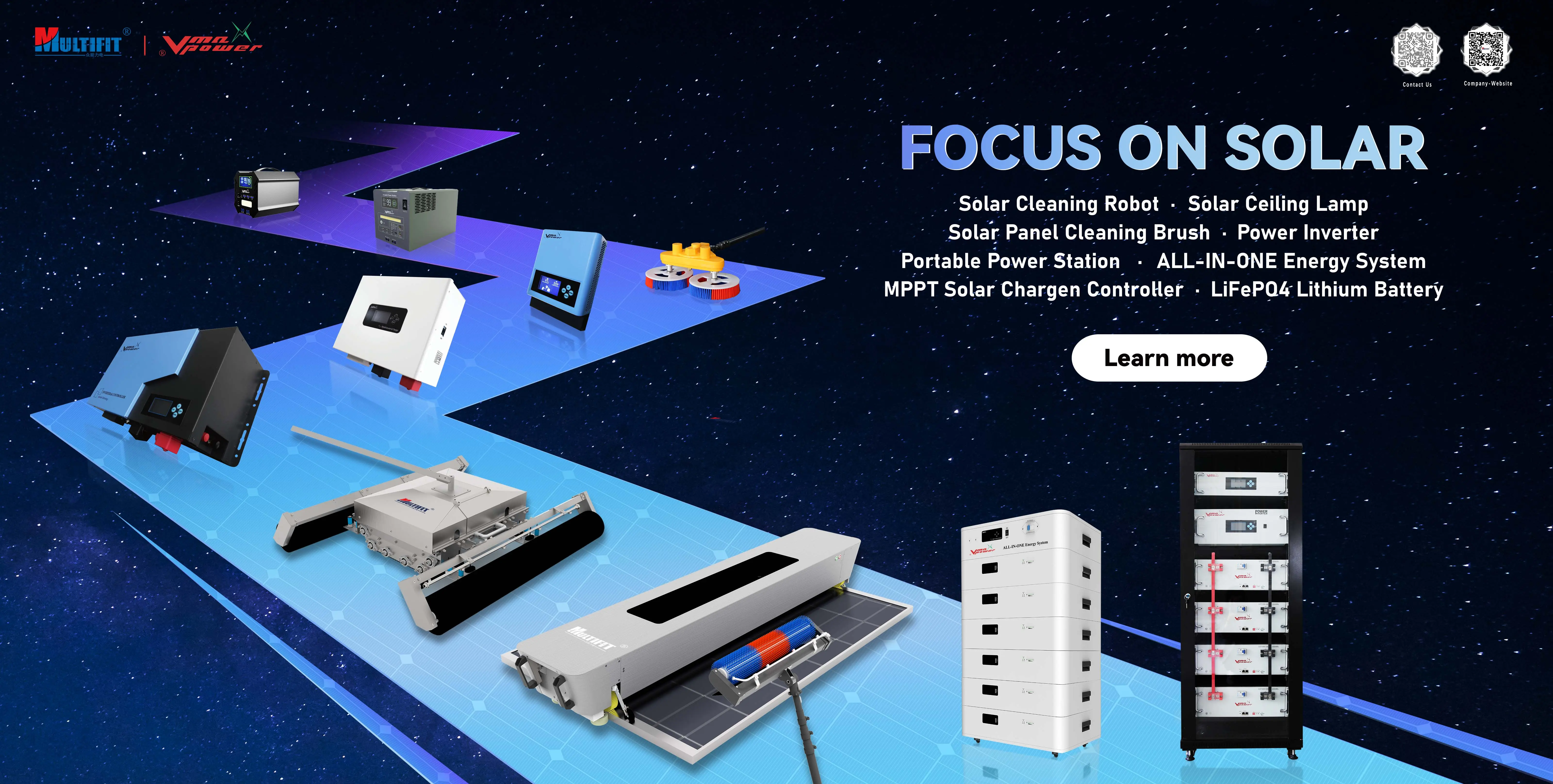
Factory-engineered complete kits engineered for rapid residential rooftop self-consumption and battery charging.
View Clean Systems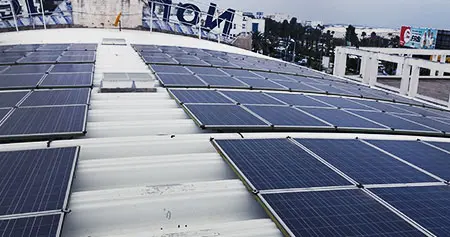
Industrial grade on-grid solar configurations designed for workshop steel roofs with optional hybrid battery tie-in.
On-Grid Systems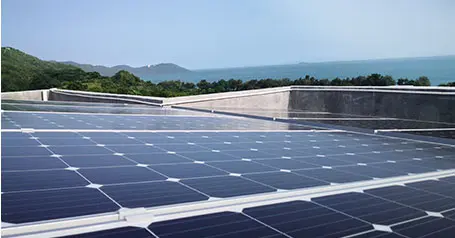
Built to deliver clean, continuous electrical power with low THD for delicate electronics and heavy tools alike.
Explore Inverters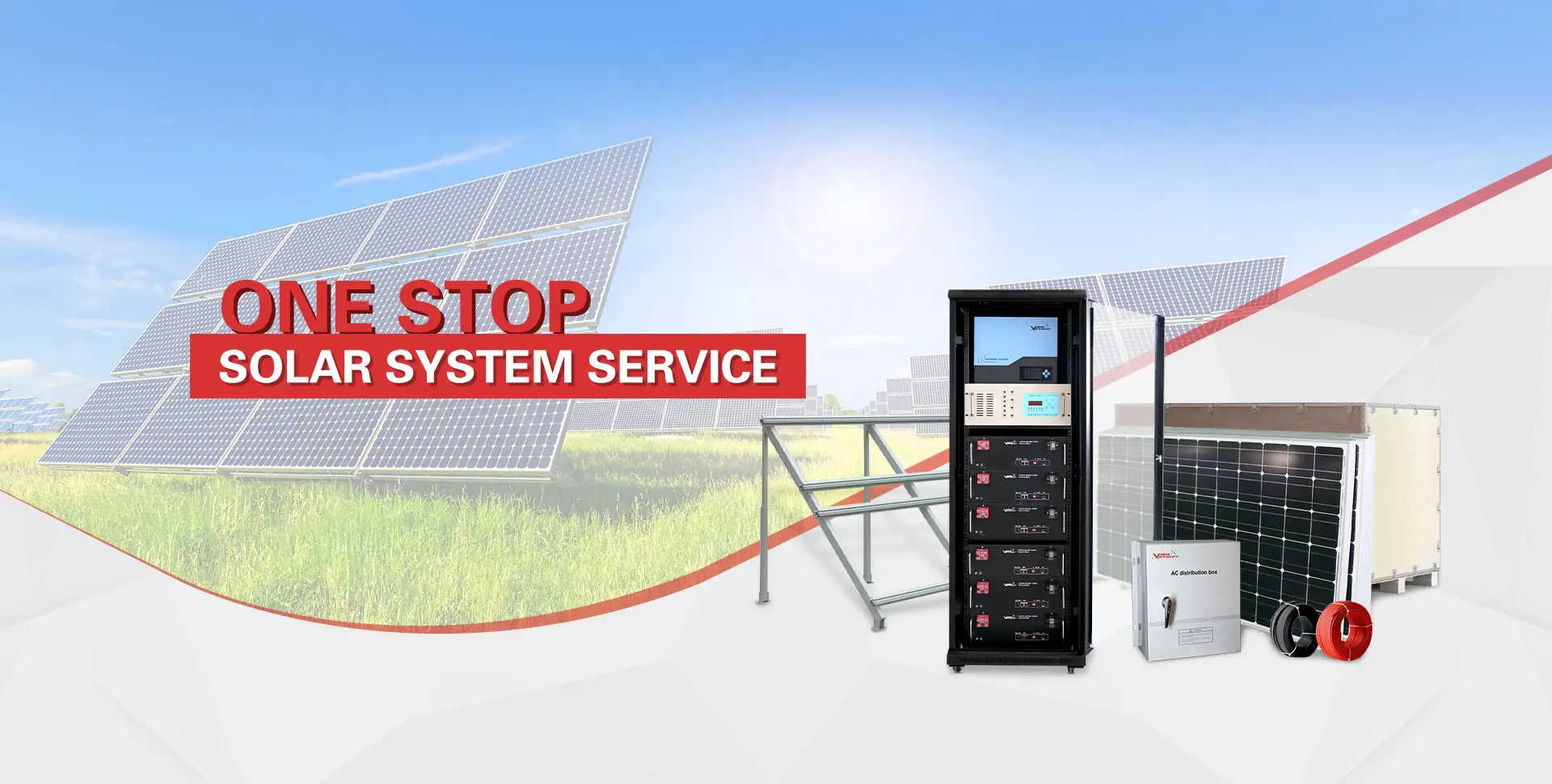
High-density half-cut multi-busbar solar panels designed for maximum kWh generation per square meter.
Inspect Panels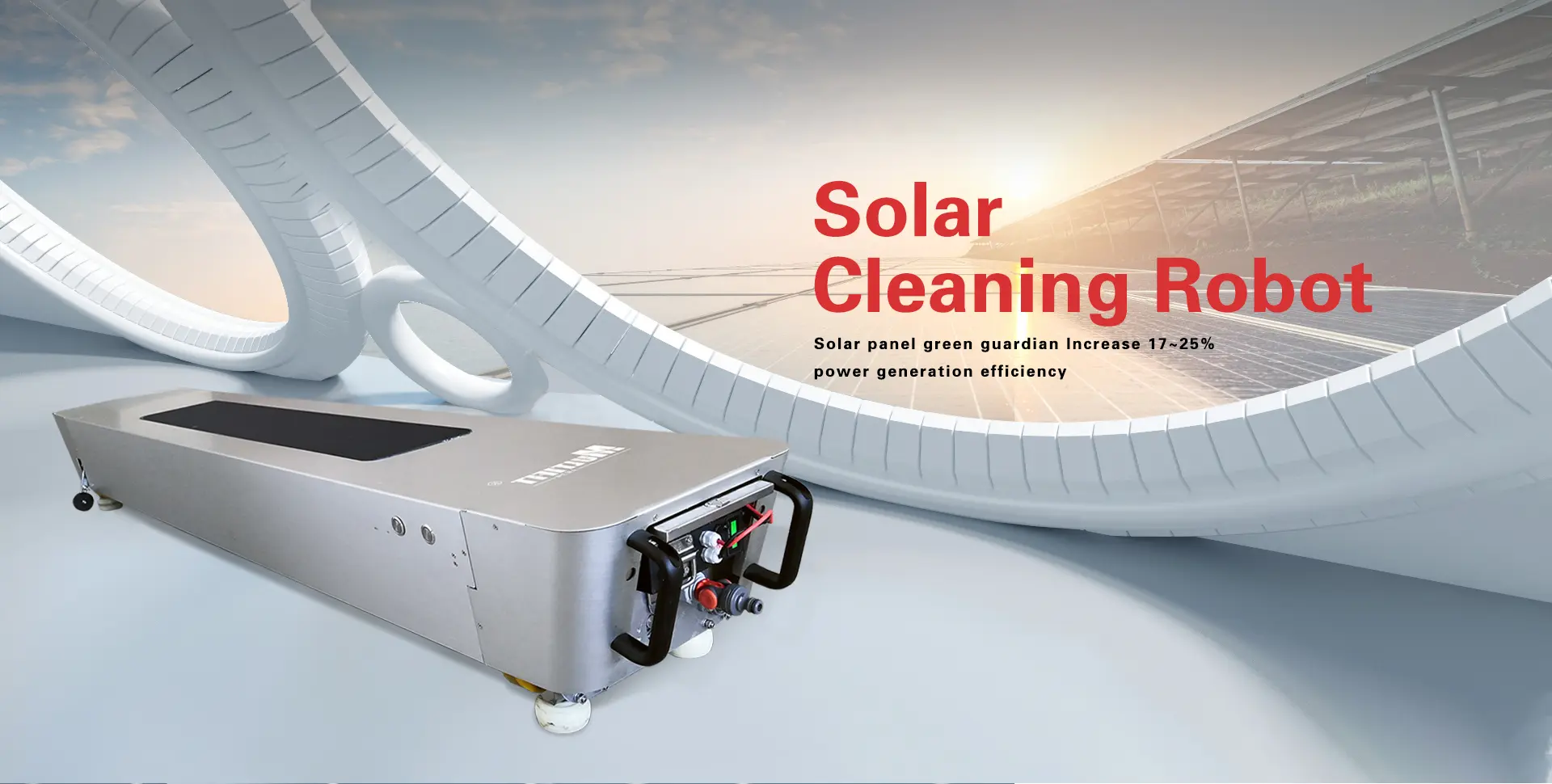
Ultra-fast 99.5% MPPT tracking algorithms designed to regulate charging currents to customized DIY battery banks safely.
View Controllers
High-lumen all-in-one solar street luminaires equipped with onboard LiFePO4 storage for public infrastructure projects.
Integrated Lights
Rugged IP66-rated autonomous lighting engineered for industrial perimeters, agricultural properties, and construction sites.
View Floodlights
DC combiner boxes, disconnect switches, solar garden luminaires, and specialized accessories for turnkey installations.
Full CatalogDirect engineering communication, wholesale MOQ flexibility, CE/TUV compliance documentation, and multi-protocol inverter customization directly from Beijing Multifit Electrical Technology Co., Ltd.