
Megawatt Flagship
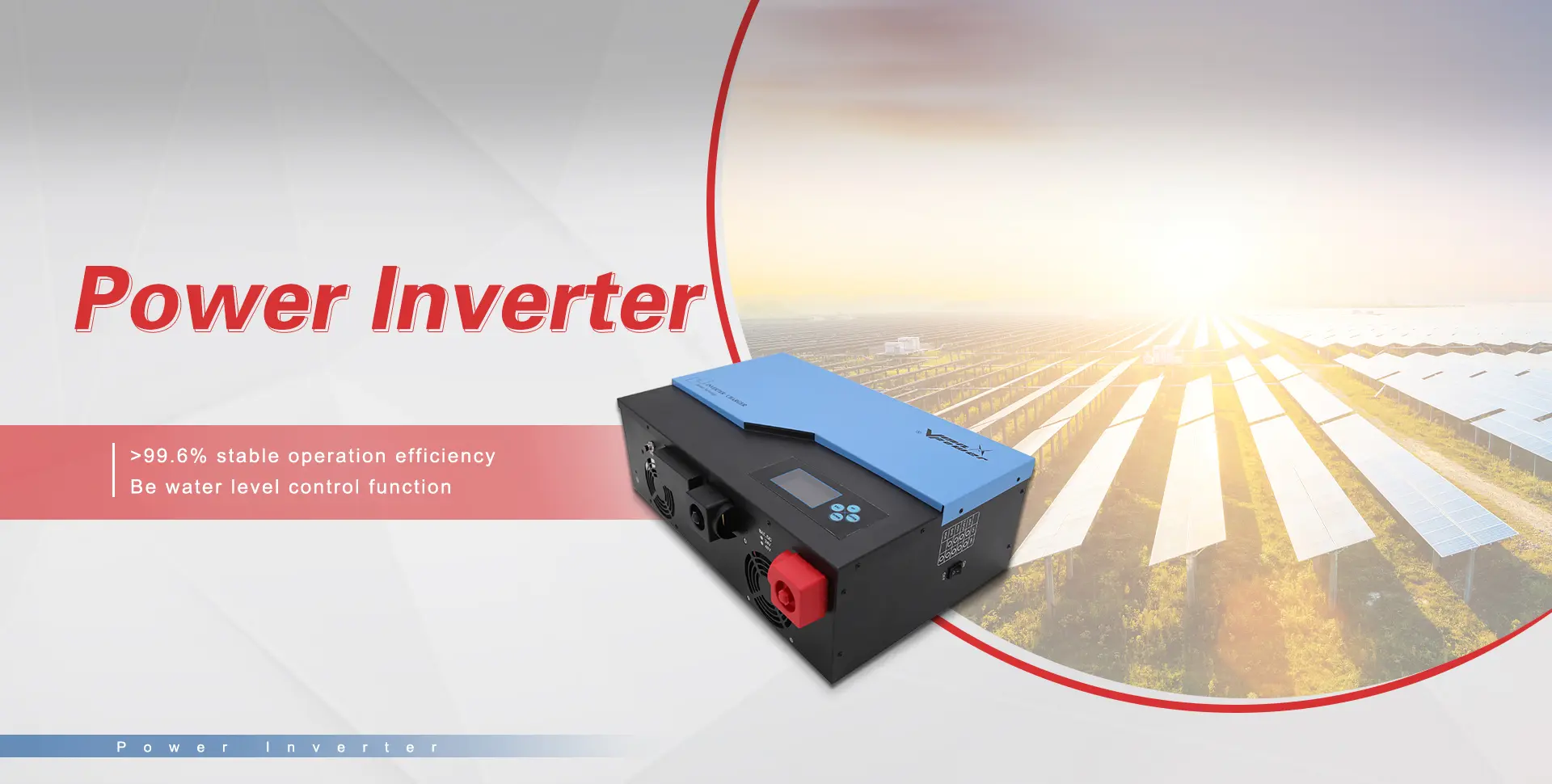
Industrial Power Inverter Skid & Units
Multi-MPPT high-power density inverter designed for 1000V/1500V DC topologies with over 99.0% peak efficiency and built-in SVG reactive compensation.
Explore InvertersVerified factory-direct components engineered for continuous duty, harsh climatic resistance, and integrated balance-of-system compliance across utility and industrial microgrids.
Multi-MPPT high-power density inverter designed for 1000V/1500V DC topologies with over 99.0% peak efficiency and built-in SVG reactive compensation.
Explore Inverters
Four-quadrant bidirectional power conversion system engineered for peak shaving, frequency regulation, and microgrid black-start deployment.
View Storage Inverters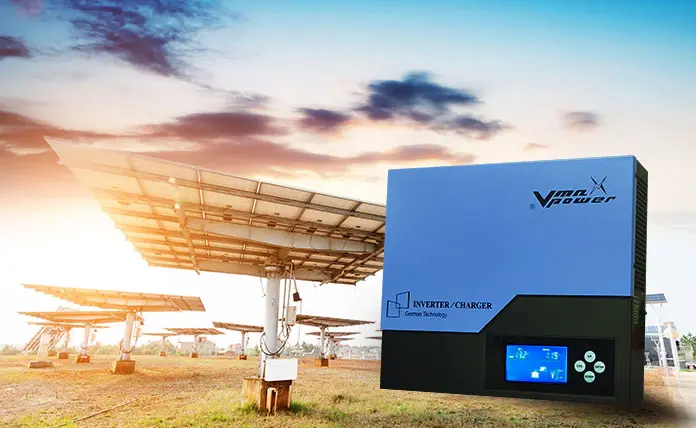
Heavy-duty toroidal transformer design handling 300% peak inductive surge capacities for industrial mining, motor loads, and unconditioned grids.
Low Frequency Range
Lightweight, high-frequency switching technology with intelligent DSP microprocessor controls for optimized C&I rooftop and commercial arrays.
High Frequency Specs
Engineered multi-megawatt systems tailored for fast interconnection, SCADA compatibility, zero-export limiting, and maximum feed-in yield.
On-Grid Solutions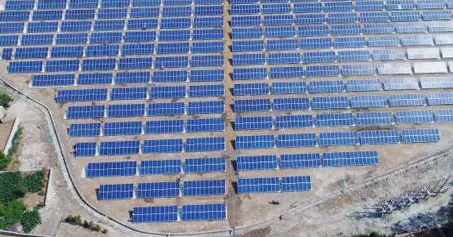
Autonomous high-capacity generation for remote mining camps, island stations, and agricultural pumping facilities eliminating diesel dependency.
Off-Grid Packages
Autonomous crawler robotic systems engineered to remediate soiling losses on large 1MW+ arrays, recovering 8% to 25% annual energy harvest.
Explore Robots
Modular LiFePO4 battery banks built with Grade-A prismatic cells, active thermal management, and 6000+ lifecycle guarantees for MW-level storage.
Battery SystemsA deep engineering review of how next-generation 1MW inverter blocks resolve levelized cost of energy (LCOE) challenges, harmonic resonance, and weak-grid instability in large-scale solar assets.
In modern photovoltaic system engineering, the 1MW solar inverter block represents the foundational building block for commercial, industrial (C&I), and utility-scale solar generation. Historically, utility designs relied heavily on multi-megawatt monolithic central stations (2.5MW to 3.3MW) that required extensive low-voltage DC trenching, external combiner boxes, and prolonged downtime risks during component servicing. Conversely, conventional string architectures using 50kW to 100kW units suffered from excessive installation labor, complex communications mapping, and high balance-of-system (BOS) switchgear costs. Today, the 1MW inverter topology—whether structured as a monolithic skid-mounted central inverter or aggregated through clustered high-capacity string units—represents the thermodynamic and economic equilibrium in power electronics.
By transitioning from legacy 1000V DC systems to 1500V DC platforms, cable cross-sectional copper areas are reduced by up to 33%, combiner requirements fall by 50%, and inverter power density increases by over 40%. The 1MW block leverages 1500V architecture to achieve a maximum conversion efficiency of up to 99.03% (Euro efficiency > 98.7%).
The core technological leap transforming China’s 1MW inverter manufacturing is the adoption of wide-bandgap (WBG) semiconductors, notably Silicon Carbide (SiC) MOSFETs and hybrid SiC-IGBT modules. Compared to legacy silicon-based Insulated Gate Bipolar Transistors (IGBTs), SiC devices feature a 10x higher dielectric breakdown field and 3x higher thermal conductivity. This permits switching frequencies to scale from traditional 3–5 kHz up to 16–25 kHz without incurring unacceptable switching thermal losses. Elevated switching frequencies dramatically shrink the volumetric footprint and mass of inductive copper filtering chokes and harmonic damping circuits, reducing the inverter chassis dimensions by 28% and weight by 35%.
As renewable energy penetration approaches 40–80% on local distribution feeders, weak grids suffer from low short-circuit ratios (SCR < 1.5) and vanishing mechanical system inertia. Beijing Multifit’s advanced 1MW inverter control architectures incorporate Virtual Synchronous Generator (VSG) algorithms. Instead of merely injecting current synchronized to external grid voltage vectors (Grid-Following), our Grid-Forming firmware establishes internal voltage phasors, providing instantaneous sub-transient inertial response, primary frequency droop control (P-f), and dynamic reactive voltage support (Q-V). This capability is critical for 1MW-scale remote mining hubs, microgrids, and end-of-line industrial substations that face curtailment or tripping under weak-grid transients.
Thermal fatigue remains the primary failure mechanism for high-power inverters subjected to desert diurnal cycling. Beijing Multifit integrates two-phase vapor chamber heat pipes coupled with intelligent IP68 variable-speed cooling fans that modulate based on IGBT junction temperatures ($T_j$) rather than simple heatsink ambients. Furthermore, on-board 32-bit digital signal processors (DSP) run embedded edge-computing neural networks to execute continuous real-time Fast Fourier Transform (FFT) analysis on DC bus ripple currents and AC phase harmonics. This edge AI identifies capacitor electrolyte dry-out, contactor oxidation, and IGBT gate-driver degradation 30 to 60 days before critical component failure occurs.
Enables longer string configurations (up to 32 modules per string), slashing DC combiner boxes, sub-array cabling losses, and trenching civil costs across multi-hectare arrays.
Operates autonomously in standalone microgrids or synchronizes with diesel/gas gensets, offering synthetic inertia and 100% phase-imbalance tolerance for extreme reliability.
Integrated continuous string I-V curve scanning analyzes all inputs in under 15 seconds, diagnosing micro-cracks, PID degradation, and shading without interrupting power production.
An objective evaluation of vertical supply chain integration, quality assurance rigor, and economies of scale from Beijing Multifit's 15+ years of specialized power electronics engineering.
Over 88% of sub-tier components—including ultra-low loss nanocrystalline magnetic transformer cores, planar busbars, and injection-molded IP66 enclosures—are engineered within a 150km industrial perimeter. This mitigates international shipping disruptions and compresses production lead times from 24 weeks down to 4–6 weeks for custom MW projects.
Every 1MW power unit undergoes High Accelerated Life Testing (HALT) and High Accelerated Stress Screening (HASS). This includes full-load thermal burn-in at 50°C ambient, cyclical relative humidity testing (95% RH at 65°C), and 3-axis harmonic vibration simulation to guarantee an operational Mean Time Between Failures (MTBF) exceeding 150,000 hours.
By leveraging high-throughput automated surface mount technology (SMT), automated optical inspection (AOI), and centralized procurement scale, Chinese manufacturing delivers 1MW inverter solutions at a substantially reduced capital expenditure per watt compared to Western alternatives, directly accelerating project IRR.
Real-world engineering topologies engineered for energy-intensive industrial facilities, harsh desert climates, and mission-critical off-grid power plants.
Industrial fabrication plants, automotive workshops, and chemical facilities with large color-steel roofs demand heavy surge suppression and zero-export control. 1MW central inverter skid units with integrated rapid shutdown controllers prevent back-feeding into regional substations while providing dynamic power factor correction to eliminate utility reactive power penalties.
In high-altitude mining sites or island resorts lacking utility interconnection, 1MW low-frequency hybrid units interface directly with heavy inductive ball mills, slurry pumps, and secondary crushers. Incorporating toroidal transformer chokes, these inverters damp high harmonic feedback and seamlessly blend solar generation with diesel generator sets, slashing diesel fuel runtime by up to 70%.
Arid desert installations (e.g., Middle East, Northern Africa, Gobi desert) face extreme ambient heat and severe soiling losses that can degrade monthly output by 15% to 30%. Beijing Multifit combines 1MW inverter blocks with our autonomous Solar Panel Cleaning Robots and smart telemetry, restoring full nameplate generation capacity without requiring water consumption in water-scarce regions.
Reservoirs, water-treatment basins, and coastal agricultural solar farms subject power electronics to high humidity, fog, and corrosive salt air. Our specialized 1MW inverter platforms are treated with automated three-proof conformal coating (MIL-I-46058C compliant) and built with C5-M anti-corrosion rated marine aluminum enclosures for prolonged 25-year structural integrity.
Seamless international interconnection assured through third-party validated certifications, robust anti-islanding algorithms, and localized technical field service support.
| Standard / Regulation | Geographic Jurisdiction | Testing & Compliance Focus | Multifit Engineering Implementation |
|---|---|---|---|
| IEEE 1547-2018 / UL 1741-SB | North America, South America | Interconnection of Distributed Energy Resources, interoperability, ride-through, and smart inverter settings. | Advanced SunSpec Modbus protocols, active anti-islanding via frequency-shift, dynamic volt-watt and volt-var curve support. |
| IEC 62109-1 / IEC 62109-2 | European Union, International, APAC | Electrical safety of power conversion equipment, insulation coordination, high-voltage clearance, and fire protection. | Reinforced galvanic isolation, automatic ground-fault interruption (GFCI), residual current monitoring (RCMU), and arc-fault AFCI integration. |
| EN 50549-1 / EN 50549-2 / VDE-AR-N 4110 | Europe, Germany, UK (G99) | Medium-voltage grid connection criteria, Fault-Ride-Through (FRT), active power gradient control under frequency spikes. | Deterministic DSP control delivering continuous Low Voltage Ride-Through (LVRT) down to 0% residual voltage for 150 milliseconds. |
| CE LVD & EMC Directives | European Economic Area (EEA) | Electromagnetic compatibility, radiated emissions suppression, low harmonic distortion (THDi < 1.5%). | Multi-stage LC/LCL passive harmonic filters combined with active damping control, preventing telemetry interference with nearby communication masts. |
| ISO 9001 / ISO 14001 Quality System | Global Manufacturing Standard | End-to-end incoming material inspection, traceability of power semiconductor lots, and environmental management. | Beijing Multifit high-tech plant operations audited annually, complete with serial-tracked production logs for 100% component traceability. |
Purchasing MW-scale equipment from China does not mean sacrificing boots-on-the-ground support. Beijing Multifit operates a dual-layer service model: our Beijing engineering headquarters provides 24/7 cloud diagnostics, SCADA telemetry verification, and digital twin simulation, while our authorized local technical service partners in over 80 countries maintain localized spare-parts consignments (critical control boards, IGBT drivers, and cooling blowers). Standard commercial warranties range from 5 to 10 years, with performance bond guarantees and extended 20-year project lifetime service agreements available for institutional project financings.
Select the optimal 1MW power conversion topology based on DC layout, maintenance logistics, electrical load characteristics, and total lifecycle expenditure.
| Evaluation Metric | 1MW Skid-Mounted Central Inverter | Clustered Multi-String Inverter (4x 250kW) | 1MW Low-Frequency Transformer Hybrid |
|---|---|---|---|
| Capital Expenditure (CapEx) | Lowest initial cost per watt; centralized shipping and AC civil pad connection. | Moderate; requires slightly higher hardware cost, offset by reduced DC trenching. | Higher due to mass of high-grade copper toroidal transformers. |
| MPPT Tracking Granularity | 1 to 2 high-capacity MPPT channels; best suited for flat, unshaded utility terrain. | Up to 48 MPPT channels across cluster; highest energy harvest on complex, uneven roofs. | 1 to 4 MPPT channels; prioritizes load stabilization over multi-angle rooftop tracking. |
| Inductive Motor Surge Handling | 110% continuous overload; relies on external dynamic soft starters for massive motors. | 110% - 120% overload for 60 seconds; electronic trip on harsh locked-rotor currents. | 300% surge capacity for 20 seconds; effortlessly starts industrial rock crushers & deep-well pumps. |
| O&M & MTTR (Mean Time to Repair) | Requires certified technician to service internal components on-site (MTTR 4–8 hours). | Unit swap model; non-specialized technicians can replace a single 250kW unit in 1 hour. | Extremely rugged architecture with field-replaceable modular discrete components. |
| Ideal Deployment Applications | Utility-scale ground arrays, flat desert mega-farms, regional sub-station injections. | Commercial industrial rooftops, complex terrain ground arrays, agrovoltaics. | Mining camps, island mini-grids, off-grid manufacturing, unconditioned grid ends. |
Direct, engineer-verified answers to critical technical, integration, and commercial queries posed by international distributors, EPC contractors, and project developers.
Integrate certified matching modules, intelligent charge controllers, precision cleaning tools, and solar lighting solutions directly from our Beijing production lines.
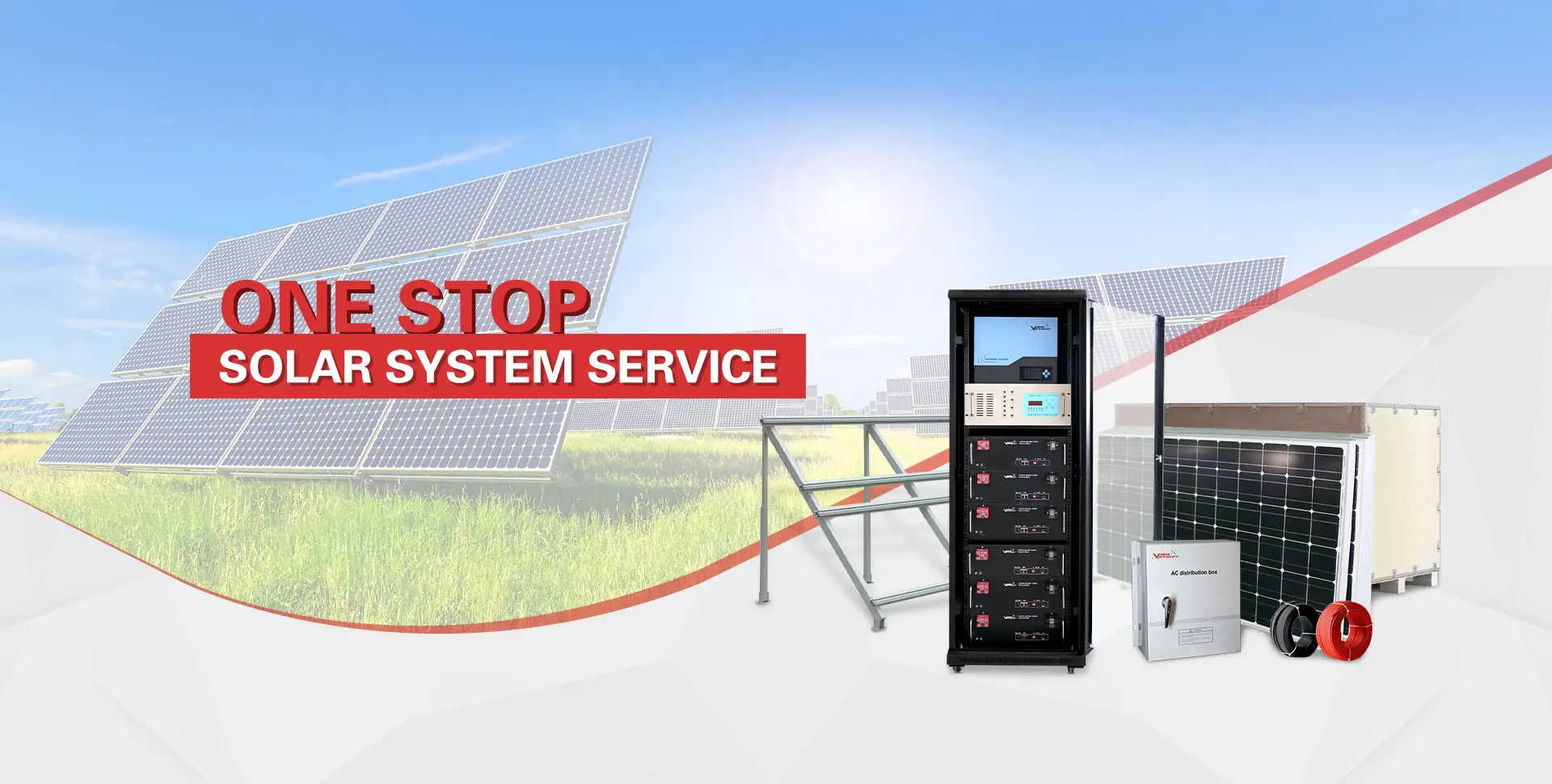
Component-matched solar kits encompassing modules, inverters, racking, and distribution protection pre-tested for complete interconnection harmony.
View Solar Systems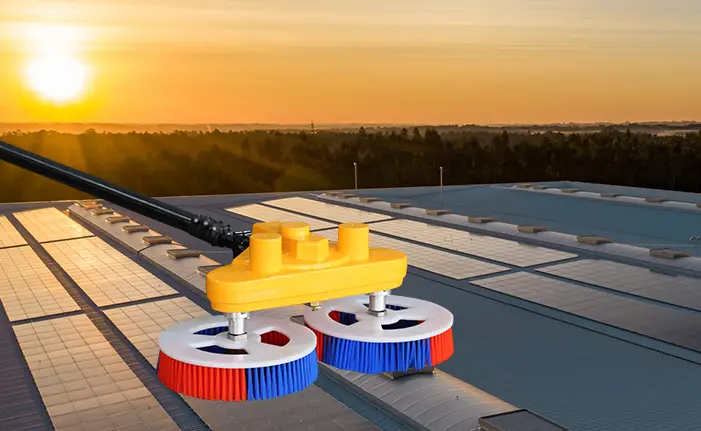
Ergonomic double-headed motorized cleaning brush units engineered for rapid rooftop and commercial array soiling removal with water or dry operation.
Brush Price List
Integrated cleaning stations and automated sprinkler-brush systems maintaining peak irradiance absorption across high-particulate industrial regions.
Clean Tech Quotes
High-voltage MPPT solar controllers delivering 99.5% tracking efficiency for industrial battery charging banks with multi-stage temperature compensation.
Controller Range
TOPCon and Heterojunction (HJT) bifacial monocrystalline photovoltaic modules engineered for maximum square-meter wattage and low temperature coefficients.
Solar Panels
All-in-one solar streetlights combining integrated LiFePO4 batteries, PIR motion sensors, and high-lumen Bridgelux LED chips for perimeter perimeter security.
Integrated Lights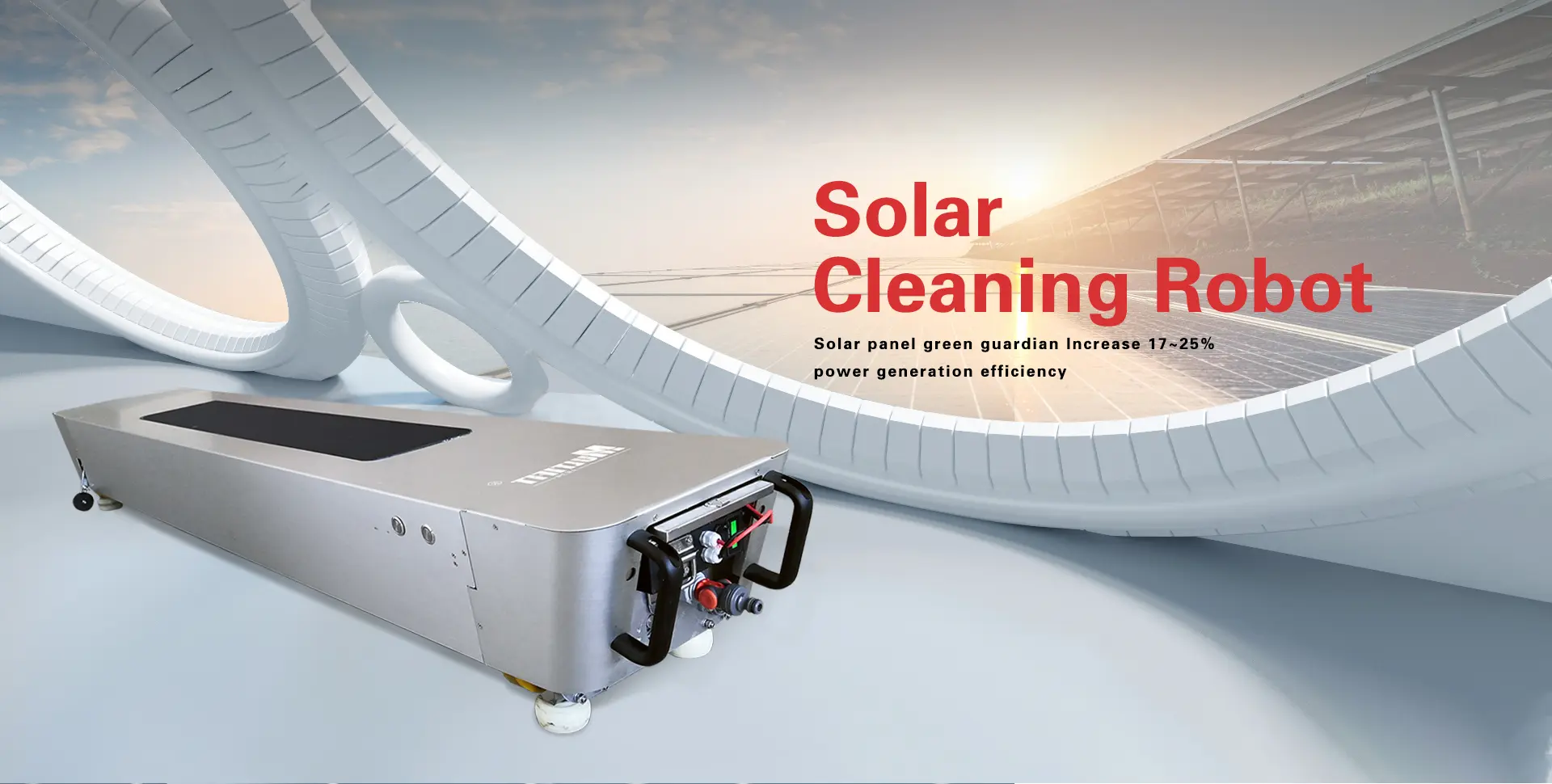
Heavy-duty die-cast aluminum solar floodlights engineered for industrial yards, construction sites, mining camps, and sports arenas.
Flood Lights
Complete DC isolator switches, combiner enclosures, MC4 connectors, solar cables, and custom mounting systems directly manufactured for global projects.
BOS AccessoriesWhether you require single-skid 1MW inverters, multi-string megawatt cluster designs, or autonomous robotic cleaning systems, our Beijing R&D application engineering team will configure your optimal system architecture, furnish project electrical single-line diagrams (SLD), and supply factory-direct quotations.