10 Tips for Choosing a Commercial Solar Power System

Time:2026-11-04 Author:Henry
0%

Choosing a Commercial Solar Power System is a major business decision, not just a search for the lowest panel price. The right design should fit your building, operating hours, electricity use, and budget. A distribution warehouse with broad roof space may have different needs from a busy workshop that runs heavy equipment after sunset. Details matter.

A reliable decision starts with evidence. Review at least a year of electricity bills, note seasonal demand, and compare those figures with your roof’s usable area, orientation, shading, and structural condition. Ask qualified installers to explain expected output, equipment choices, warranties, monitoring, and maintenance in plain language. Their estimates should state assumptions, not just show an attractive payback figure. Even then, forecasts are not guarantees.

This guide presents ten practical tips for comparing system options and supplier proposals. It covers sizing, inverters, storage, installation quality, and long-term service. Batteries may help some businesses, but they are not automatically worthwhile; the answer depends on when power is used and what local tariffs allow. A spreadsheet can look precise while hiding uncertain assumptions. That deserves a second look. Use the tips to ask better questions, check details, and choose a system that works for your site—not merely one that looks impressive in a sales presentation.
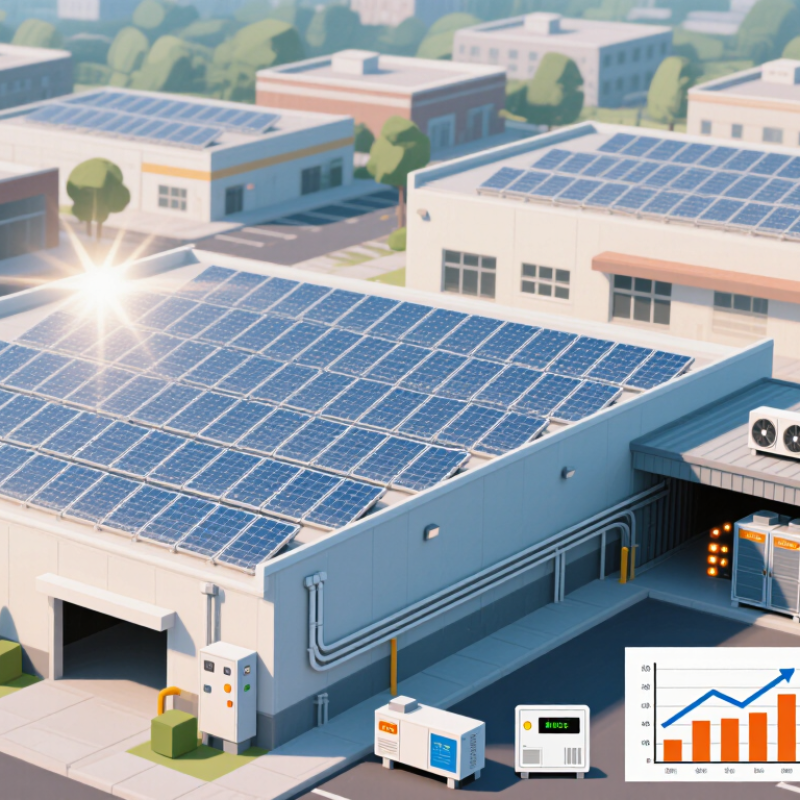
10 Tips for Choosing a Commercial Solar Power System

Assess Business Energy Needs, Site Conditions, and Usage Patterns

A commercial solar design should begin with interval-meter data, not a monthly bill alone. Collect 15-minute or hourly electricity use for at least a year, then compare weekdays, weekends, and seasonal peaks. The U.S. Energy Information Administration’s 2018 Commercial Buildings Energy Consumption Survey reported 6.8 quadrillion Btu of energy use across commercial buildings. That broad figure is a useful reminder: businesses differ widely, so national averages cannot size an individual system.

Match expected solar output to the hours your site uses power. A refrigerated warehouse may draw steadily overnight, while an office often peaks during sunny work hours. Check bills and operating schedules for unusual loads, planned equipment changes, and demand charges. Small details matter. A new production line can make last year’s profile misleading.

Then inspect the roof or parking area for shading, usable space, structural limits, and equipment access. The National Renewable Energy Laboratory’s PVWatts tool estimates production using location, system size, tilt, and orientation; treat its result as an estimate, not a guarantee. Ask a qualified site assessor to verify roof condition and shading through the day. One overlooked tree or rooftop unit can reduce output. And be candid about uncertainty: meter data may contain gaps, while future usage is only a forecast. Use those limits when comparing system sizes and storage options.

Commercial Solar Planning: Monthly Electricity Demand vs. Estimated Solar Output

Illustrative planning scenario: monthly electricity demand is shown alongside estimated output from a 100 kW solar system, assuming an annual yield of 1,500 kWh per kW. Actual generation depends on location, roof orientation, shading, weather, and system design. Compare the chart with interval meter data and a site assessment before sizing a system.

Compare System Sizes, Panel Types, and Grid-Connection Options

10 Tips for Choosing a Commercial Solar Power System

A useful comparison starts with your actual electricity use, not the largest system that fits the roof. Review a full year of bills and, if available, interval data showing when your building uses power. A warehouse running compressors at midday may benefit from a different system size than an office with evening demand. Measure roof space and note vents, shadows, and areas reserved for maintenance. Small details matter.

Panel types involve trade-offs. High-efficiency panels can produce more power from limited roof space, while other options may cost less per watt. Compare quoted output, temperature performance, warranties, and the assumptions behind each estimate. Ask how shade from nearby equipment affects production. Estimates are not guarantees. Roof conditions can change the answer, and no comparison is perfectly clean.

Grid connection deserves equal attention. A standard grid-tied system can send excess electricity to the network, but it may shut down during an outage unless designed with approved backup equipment. A hybrid system can pair solar with batteries, adding resilience and cost. Export credits and connection requirements vary by utility, so confirm them before comparing payback estimates. One overlooked tariff detail can shift the numbers. Have a qualified professional review the load profile, roof plan, and proposed connection design.

Review Equipment Quality, Installer Credentials, and Warranty Coverage

Tip: Check equipment quality beyond the quoted panel count. Ask for datasheets showing module efficiency, inverter operating range, and performance under heat. Compare product certifications and degradation terms, then confirm that replacement parts will remain available. Inspect cable connectors and mounting hardware in the proposal; small omissions can complicate rooftop work. A polished quote can still miss a site detail.

Tip: Verify the installer’s commercial experience. Request examples of projects with similar roof types, electrical loads, and system sizes. Ask who will manage design, utility coordination, installation, and commissioning. Check relevant licenses, insurance, and safety procedures, and speak with recent customers if possible. Look closely at the handoff plan. Who responds if monitoring shows an inverter fault six months later?

Tip: Read warranty documents before comparing prices. Separate coverage for panels, inverters, workmanship, and roof penetrations, since each may have different terms. Confirm who handles labor, shipping, and removal if equipment needs replacement. Ask how a claim starts and what records you must keep. The longest warranty is not automatically the best; exclusions and response times matter. I’d still leave room for uncertainty: actual output depends on shading, weather, and maintenance.

Estimate Upfront Costs, Incentives, Financing, and Long-Term Savings

A commercial solar quote should separate equipment, engineering, installation, electrical upgrades, and ongoing maintenance. Ask for an itemized estimate, not just a single system price. A roof inspection may reveal repairs that change the budget. Small details matter. Compare projected production with your actual electricity bills, including seasonal demand and peak-hour charges. A system that looks affordable on paper may not match your building’s usage.

Tip: Check incentives before calculating payback. Eligibility, deadlines, and payment timing can vary, so confirm details with the relevant government or utility source and a qualified tax professional. Do not count an incentive as guaranteed cash until you understand its conditions. Then compare financing options by total repayment, fees, interest, and ownership terms—not monthly payment alone. A lower payment can cost more over time.

Estimate long-term savings across the system’s expected operating life. Include electricity-price assumptions, maintenance, inverter replacement, and gradual panel output decline. Request conservative and optimistic scenarios, and ask what happens if production falls short. Be skeptical of precise savings promises; real weather and utility rates rarely follow a neat forecast. A spreadsheet helps, but it is only as reliable as its assumptions.

Plan Installation, System Monitoring, Maintenance, and Future Expansion

Tip 1: Plan installation around the building, not just the panel count. Review roof condition, shade at different times, electrical capacity, and equipment access. A narrow service lane can delay delivery. Confirm where inverters, cables, and safety barriers will go before work begins. Leave time for unexpected repairs. Plans can be too optimistic.

Tip 2: Set up monitoring to answer practical questions. Track daily production alongside the building’s electricity use, not just a single monthly total. Compare similar weekdays and investigate sudden drops. A clear alert process helps staff respond quickly, but someone must own it. Small details matter. Keep readings and service notes together; they make troubleshooting less guesswork.

Tip 3: Schedule maintenance and leave room for growth. Inspect mounting hardware, wiring, and visible damage at intervals recommended by qualified technicians. Keep safe access in mind. Before installation, identify space for future panels, electrical upgrades, and additional storage if needed. Recheck those assumptions after the first year. Actual demand may differ from the forecast.

10 Tips for Choosing a Commercial Solar Power System — Plan Installation, System Monitoring, Maintenance, and Future Expansion
No. Planning Tip What to Assess Practical Data or Check Monitoring and Maintenance Future Expansion
1 Review electricity use before sizing the system Gather utility bills and interval usage data, including seasonal changes and demand charges. Use at least 12 months of bills where available; compare daytime use with the proposed solar production profile. Compare measured generation and site consumption with the original forecast after commissioning. Include known plans for added equipment, shifts, or floor space in the load forecast.
2 Check the roof or available site area Assess roof condition, shading, orientation, structural capacity, access, and fire-safety pathways. Have a qualified professional review structural capacity and remaining roof life before installation. Keep access routes clear and schedule inspections after severe weather or building work. Reserve suitable roof or ground area for later equipment, access, and electrical infrastructure.
3 Match system size to the site and project goals Consider usable area, electrical service limits, export rules, tariffs, and the desired share of on-site use. Model expected annual production and bill impacts using local weather, shading, and utility rates. Track actual output against modeled output and investigate persistent differences. Use a design that can accommodate additional capacity if site conditions and approvals permit.
4 Plan interconnection and permitting early Identify utility application requirements, local permits, inspections, and any export limitations. Confirm the approval process and required studies with the relevant utility and authorities before procurement. Retain approved drawings, inspection records, and utility correspondence for future service work. Ask whether later capacity additions would require new applications, studies, or equipment upgrades.
5 Evaluate the electrical design and equipment compatibility Review inverter configuration, protection devices, metering, wiring, and compatibility with the site's electrical system. Request single-line diagrams and equipment specifications for review by a qualified electrical professional. Monitor inverter status, alarms, and key electrical measurements through the system monitoring platform. Check available inverter capacity, switchgear space, and communications capability for future additions.
6 Decide whether energy storage is appropriate Compare the value of load shifting or backup needs with battery cost, operating requirements, and site constraints. Use interval load data and the applicable tariff to model storage use; solar panels alone do not provide power during a grid outage. Track battery state of charge, operating events, and system alerts if storage is installed. Confirm whether the initial design can support a later battery installation and what additional equipment it would require.
7 Set up useful system monitoring Confirm that the platform provides production data, system status, alerts, and access for designated site staff. Establish a baseline after commissioning and review production at regular intervals. Assign responsibility for reviewing alerts and documenting corrective actions. Check that monitoring can display additional arrays, inverters, or storage without losing historical records.
8 Define a practical maintenance plan Clarify inspection, vegetation management, cleaning needs, service access, and response procedures. Follow equipment instructions and local conditions; cleaning frequency depends on soiling, rainfall, and site environment. Keep records of inspections, repairs, outages, and any cleaning performed. Ensure maintenance access and documentation will remain practical as the system grows.
9 Compare lifecycle costs and contract terms Review installation scope, exclusions, warranties, service responsibilities, insurance, and expected operating costs. Compare proposals using consistent assumptions for production, utility rates, financing, and system degradation. Record warranty contacts, coverage periods, and steps for reporting faults. Check whether adding equipment later affects warranties, service agreements, or financing terms.
10 Design for safe installation and future flexibility Coordinate installation with business operations, site safety procedures, and planned construction or equipment upgrades. Agree on access, outage windows, commissioning tests, and handover documents before work begins. Train designated staff on monitoring access, emergency contacts, and basic system status checks. Document spare capacity, connection points, and design assumptions so future upgrades can be evaluated efficiently.

FAQS

What should a commercial solar quote include?

Ask for separate costs for equipment, engineering, installation, electrical upgrades, and maintenance. One total hides useful details.

Why inspect the roof before setting a budget?

An inspection may reveal repairs that change the project cost. A loose section or aging roof can affect the schedule, too.

How can I estimate savings more realistically?

Compare projected production with actual bills, seasonal demand, and peak-hour charges. Request conservative and optimistic scenarios. Forecasts can miss.

Should incentives be counted as guaranteed savings?

No. Check eligibility, deadlines, and payment timing with relevant sources and a qualified tax professional. Conditions may change the calculation.

How should I compare financing options?

Compare total repayment, fees, interest, and ownership terms. A smaller monthly payment may cost more over time.

What costs should long-term estimates include?

Include maintenance, possible inverter replacement, and gradual panel output decline. Also review the electricity-price assumptions behind each estimate.

What should be planned before installation begins?

Check roof condition, shade, electrical capacity, and equipment access. Confirm where cables and inverters will go; a narrow service lane can delay delivery.

What should system monitoring track?

Track daily production alongside building electricity use. Compare similar weekdays and investigate sudden drops. Assign someone to review alerts.

What maintenance and future growth should I plan for?

Have qualified technicians inspect mounting hardware, wiring, and visible damage at recommended intervals. Leave safe access and possible space for panels or storage. Recheck the plan after year one; demand may differ.

Conclusion

Choosing a Commercial Solar Power System begins with understanding how much energy your business uses, when it uses it, and what the site can support. Reviewing utility bills, roof or ground conditions, shading, and future energy needs can help determine an appropriate system size. Compare panel types and decide whether a grid-connected setup suits your operations, while considering equipment quality, installer qualifications, and the scope of warranties.

Before committing, estimate the full upfront cost alongside available incentives, financing options, and potential long-term savings. A practical plan should also cover installation timing, system monitoring, routine maintenance, and how the setup could be expanded as your business grows. Considering these factors together can help you select a reliable system that fits your site, budget, and energy goals.


Henry

Henry

Henry is a dedicated marketing professional with a profound expertise in the company's offerings. With years of experience in the industry, he possesses an impressive understanding of the market dynamics and consumer behaviors that drive success. Henry is committed to sharing his insights through......