What Type of Solar System Is Best for Home?

Time:2026-11-04 Author:Sienna
0%

Choosing a Solar System For Home starts with one practical question: what must it power, and when? A grid-tied system is often suitable for households seeking lower electricity bills. A hybrid system adds a battery for evening use or outages. An off-grid system offers more independence, but usually needs greater storage and careful load planning. No system fits everyone.

Lawrence Berkeley National Laboratory’s Tracking the Sun 2024 report found a median residential solar price of about $3.15 per watt for systems installed in 2023. That benchmark gives buyers useful context, though local prices, roof condition, and equipment choices can change the final cost. EnergySage founder Vikram Aggarwal’s homeowner guidance can be summed up this way: match the system to household use, roof conditions, and backup needs. Treat that as a decision rule, not a promise of savings.

Start with your loads. Check a year of utility bills, note when appliances run, and inspect the roof’s sunny and shaded areas. A small battery may keep lights, a refrigerator, and internet running; it may not power everything in the house. Roof first. Then compare quotes that show panel capacity, battery size, estimated production, and assumptions about future electricity prices. A simple ranking can mislead. Solar estimates are forecasts, and real output changes with weather, shade, and maintenance. The best option is the one whose limits and costs you understand before signing.
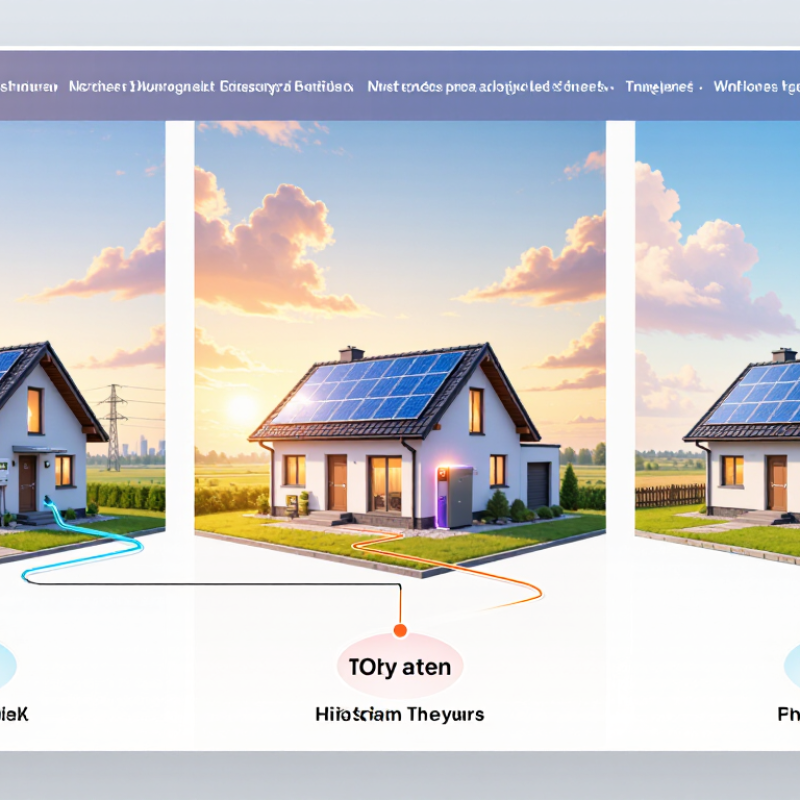
What Type of Solar System Is Best for Home?

How Home Solar Systems Generate and Store Electricity

Roof panels convert sunlight into direct-current electricity. An inverter changes that current into the alternating current used by household outlets. Power goes to appliances in use, perhaps a refrigerator humming in the kitchen. When panels produce more than the home needs, a grid-connected system may send the surplus to the utility, depending on local arrangements. A battery can store some excess energy for later. At night, it may power selected circuits, such as lights, a router, or a freezer. Not everything.

A grid-tied system is often a practical fit where utility service is reliable and backup power is not essential. A hybrid system combines grid access with battery storage, offering more flexibility during outages. Off-grid systems rely on batteries and often a backup generator, so careful sizing matters. Battery capacity, panel output, and household demand all affect how long stored electricity lasts. It is easy to assume a battery will run an entire home overnight; in practice, heavy heating or cooking loads can drain it quickly. Reviewing past electricity bills and noting which appliances must stay on gives an installer better information. Cloudy afternoons also reduce generation, and winter sunlight may be weaker than expected. A little planning helps prevent a system that looks adequate on paper but feels limiting at home.

The Main Types of Solar Systems for Homes

Home solar systems generally fall into three types: grid-tied, hybrid, and off-grid. A grid-tied system sends excess daytime power to the utility grid and draws electricity when panels produce less. It is often the simplest fit where grid service is reliable. But standard grid-tied systems usually shut down during an outage, even in bright sunshine, unless designed with backup equipment.

A hybrid system pairs solar panels with batteries and grid connection. It can keep selected circuits running, such as a refrigerator, lights, and internet router, when the grid fails. Battery capacity and system configuration matter; not every hybrid setup backs up the whole house. The U.S. National Renewable Energy Laboratory’s Annual Technology Baseline tracks residential solar-plus-storage costs, a useful reminder to compare installed costs and usable battery capacity, not just panel prices.

Off-grid systems operate without utility service and need careful sizing for cloudy weeks and winter demand. They may require substantial battery storage. No easy shortcut. The IEA Photovoltaic Power Systems Programme reported that global solar PV capacity exceeded 1.6 terawatts by the end of 2023, showing the technology’s broad deployment, though local weather and household loads still shape the right design. A technician should review a home’s hourly use and essential circuits; I would not size storage from an average monthly bill alone.

How to Match a Solar System to Household Energy Needs

A suitable home solar system starts with how a household uses electricity, not the largest panel count available. Review twelve months of bills to spot seasonal changes. A home that uses most power during sunny hours may benefit from a grid-connected system without a battery. Evening-heavy use, frequent outages, or limited grid access can make storage worth considering. Start with the bills. One unusually cool month can give a misleading picture.

Next, compare expected production with your actual daily routine. Roof direction, shade from trees, and usable roof area all affect output. A qualified installer can assess these conditions and estimate production across different seasons. Ask how the estimate accounts for cloudy days and winter sunlight. The numbers matter.

A battery can shift solar energy into the evening, but it adds cost and may not suit every household. List essential loads, such as a refrigerator, lights, and a medical device, before deciding what backup should cover. Estimates are never perfect; a new heat pump or changing family schedule can alter demand. That uncertainty is a reason to revisit the calculation, not to assume the biggest system is best.

Factors That Affect Solar System Performance and Cost

A home’s best solar system depends less on panel count than on the roof, household use, and local conditions. Roof direction, pitch, and shade affect how much sunlight reaches the panels. A chimney’s small midday shadow can reduce output more than expected. Hot weather can also lower panel efficiency, while snow or dust may temporarily block sunlight. Local sun exposure matters. Review a year of electricity bills, including seasonal peaks, before choosing system size. An oversized system can cost more without producing savings for every household. Batteries provide backup and shift energy use, but they add upfront cost and may need replacement later. That trade-off matters.

Equipment efficiency is only part of the decision. Inverter capacity, panel warranties, and installation quality can influence performance over time. Ask installers to explain their production estimate and the assumptions behind it, such as shading and future electricity use. Compare the full installed price, not just equipment costs, and check whether maintenance or monitoring is included. Utility rules for exporting excess electricity can also change the value of a system. Estimates are not guarantees. A tree may grow, household routines may change, and actual output can differ from projections. Leave room for uncertainty when comparing payback claims.

Choosing Between Grid-Tied, Hybrid, and Off-Grid Systems

What Type of Solar System Is Best for Home?
Choosing Between Grid-Tied, Hybrid, and Off-Grid Systems

The best home solar system depends on your utility connection, outage risk, and daily energy use. A grid-tied system is often the simplest fit where reliable utility service is available. It can send excess power to the grid, depending on local arrangements. But standard grid-tied systems usually shut down during outages for safety. Your panels may not power the house when you need them most.

A hybrid system combines grid access with battery storage. It can keep selected circuits running during an outage, such as a refrigerator, lights, and internet equipment. Battery size matters. Off-grid systems suit homes without dependable grid access, but they need careful planning for cloudy stretches and seasonal demand. Batteries, backup generation, and conservative energy use may all be necessary. That can raise costs, and even careful estimates can miss real-life habits.

Tips: List essential appliances and their wattage before comparing systems. Ask an installer how the system behaves during an outage, and check battery capacity against your evening use. Leave room for changing needs. A larger system is not automatically the better choice.

FAQS

How does a home solar system generate electricity?

Roof panels convert sunlight into direct-current electricity. An inverter changes it into alternating current for household outlets.

What happens when panels produce more power than the home uses?

Surplus electricity may go to the utility grid or into a battery, depending on the system and local arrangements.

Can a battery power an entire home overnight?

Sometimes, but it depends on battery capacity and household demand. Heating and cooking can drain stored power quickly. Not everything.

Which appliances might a battery support during an outage?

A system may power selected circuits, such as a refrigerator, lights, router, or freezer. Decide what matters most.

How can I choose a system that fits my household?

Review twelve months of electricity bills and note when your home uses the most power. One unusual month can mislead.

What affects how much electricity roof panels produce?

Roof direction, shade from trees, usable roof area, cloudy weather, and winter sunlight all affect production. Ask for seasonal estimates.

Is a battery useful for every household?

No. It may help with evening use or frequent outages, but it adds cost. The trade-off deserves a careful look.

How should I plan backup power?

List essential loads, including a refrigerator and any medical device. Estimates can miss changes, like a new heat pump or family routine. Recheck the plan.

Conclusion

Choosing the best Solar System For Home starts with understanding how it works. Solar panels convert sunlight into electricity, which can power household appliances. Extra electricity may be sent to the utility grid or stored in a battery for later use, depending on the system. Grid-tied systems are generally suited to homes connected to reliable utility service, while hybrid systems combine grid access with battery storage. Off-grid systems operate independently and typically require enough storage and generation capacity to meet household needs.

To find the right option, consider how much electricity your household uses, when you use it, your roof’s sunlight exposure, and your budget. Equipment, installation, battery capacity, weather, and local utility arrangements can all affect performance and cost. Comparing these factors helps clarify whether saving on upfront costs, having backup power, or achieving greater energy independence matters most. A suitable system should match your home’s energy needs and conditions rather than simply offer the greatest capacity.


Sienna

Sienna

Sienna is a skilled marketing professional with a deep expertise in our company’s core products and services. With a passion for innovation and detail, she plays a pivotal role in crafting insightful blog posts that not only highlight the unique features of our offerings but also provide valuable......